
Last updated November 25, 2026
 Sweep & inspection
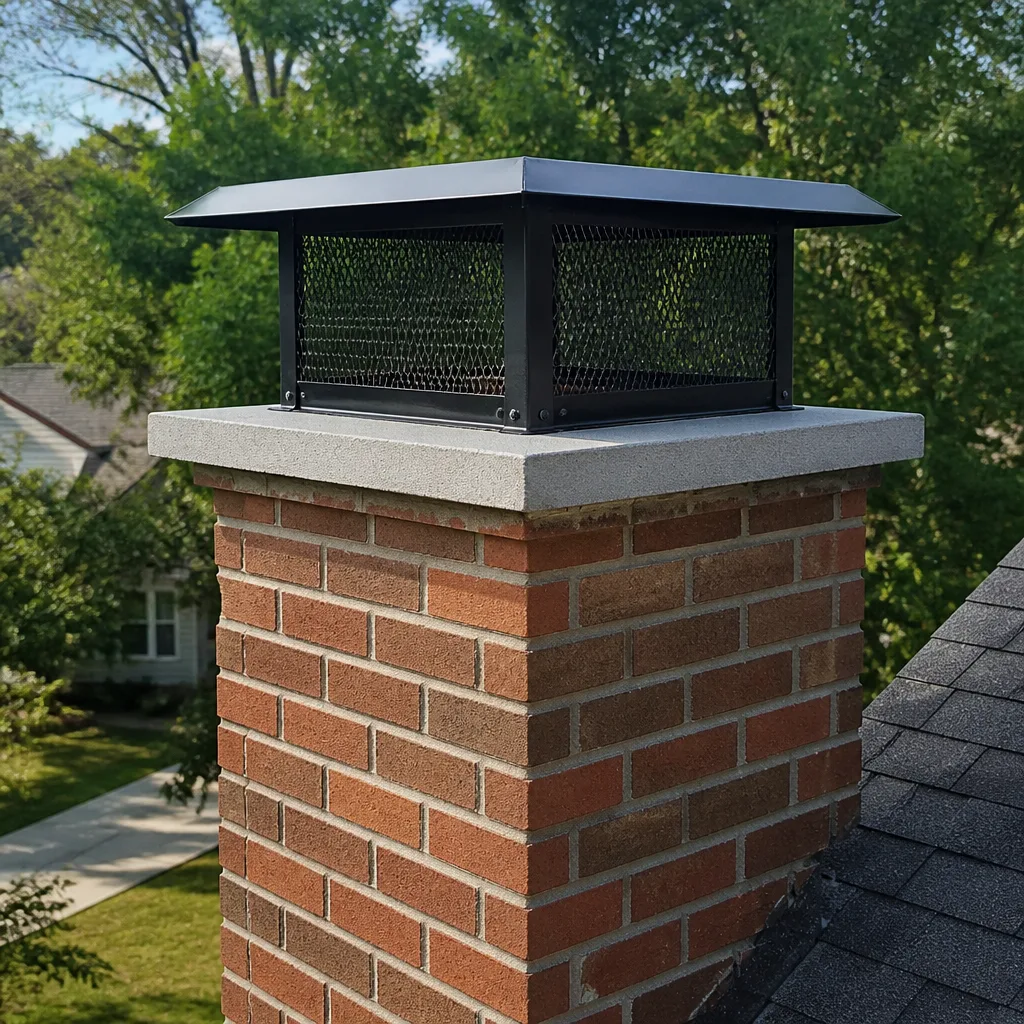 Caps & crowns
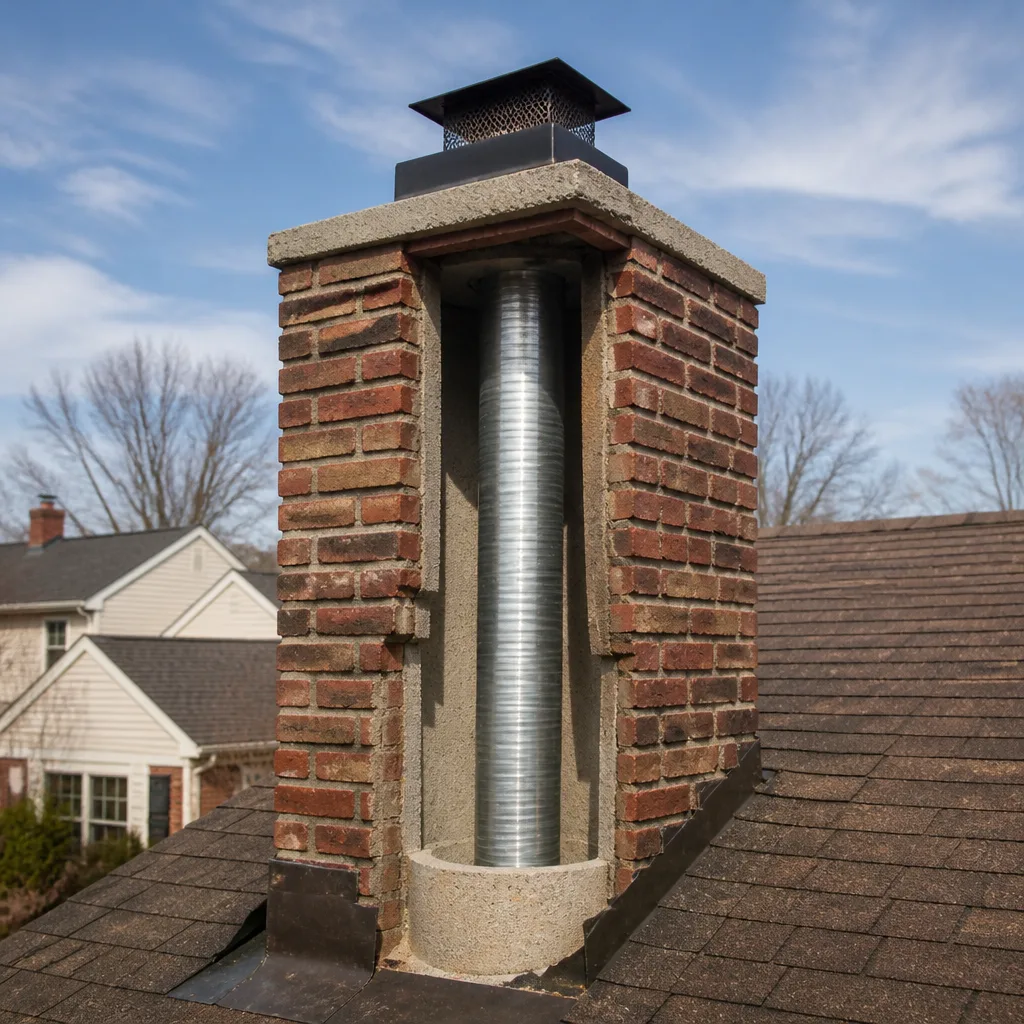 Flue relining
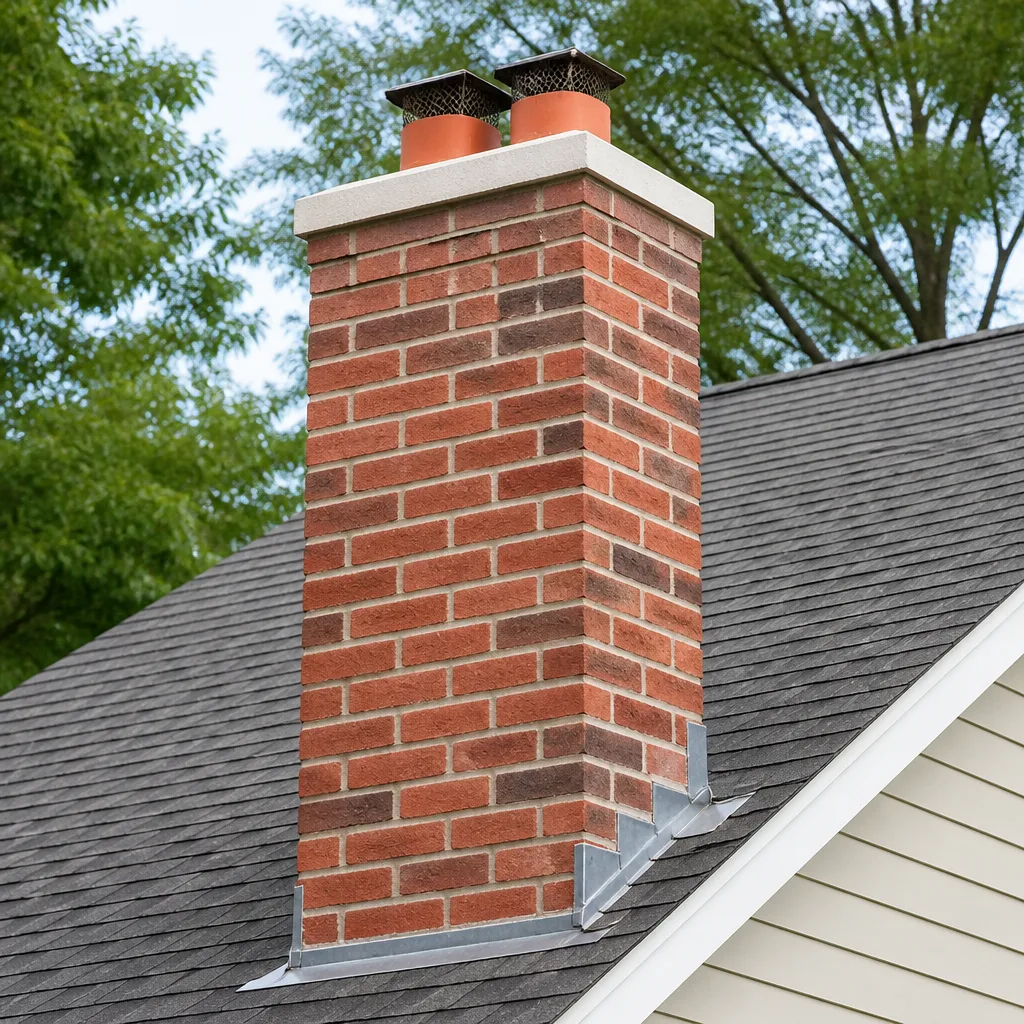 Masonry repair
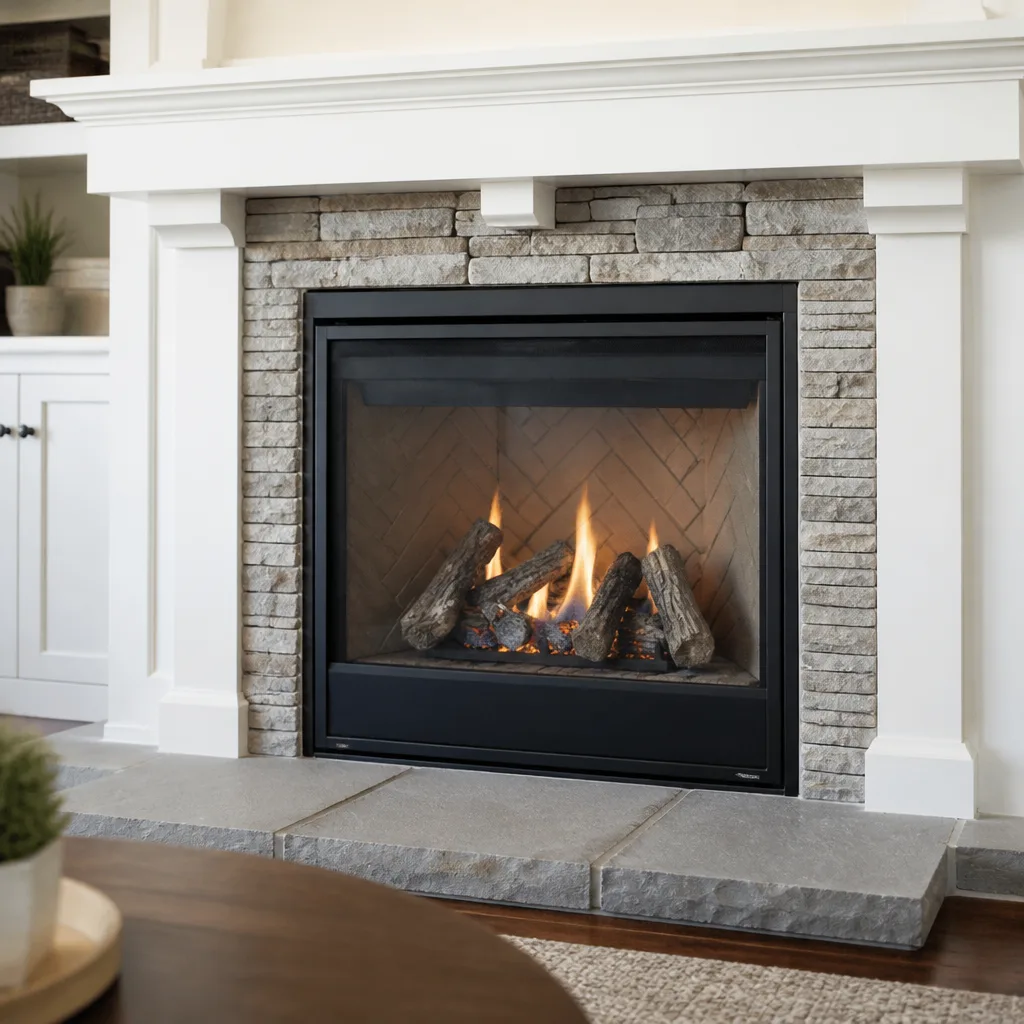 Gas fireplace service
Level 1 sweep and inspection to the NFPA 211 annual standard - flue, crown, cap, and flashing checked and photographed
Chimney sweep logs do not sweep chimneys. They loosen some creosote - which then falls where a brush and vacuum still have to collect it.
The Complete Guide to Chimney Cleaning in Knoxville
Most Knoxville chimney fires aren’t caused by chimneys that were never cleaned. They’re caused by chimneys that were cleaned but never properly inspected afterward. That distinction matters more than most homeowners realize, because a brush down the flue removes what’s visible and leaves the structural failures, draft problems and water damage that actually start fires and send carbon monoxide into a living room. In Knoxville’s older craftsman homes and its newer gas-converted fireplaces, the risks look different but the lesson is the same: cleaning without inspection is a half-finished job. This guide maps every component a complete cleaning visit should cover, how East Tennessee’s humidity and freeze-thaw cycles change the picture, and how to tell a real sweep from a quick one.
Quick Answer
A proper chimney cleaning in Knoxville is a system inspection that includes sweeping, not a scrub-and-go errand. A complete visit checks the flue liner, smoke chamber, firebox, damper and cap, documents what it finds with a camera, and tells you plainly what needs fixing now versus what can safely wait. If a sweep ever rushes out the door without inspecting what’s behind the brush, the soot may be gone but the danger isn’t.
Styles & brands we work with
- Sweep & inspection
- Caps & crowns
- Flue relining
- Masonry repair
- Gas fireplace service
Table of Contents
- Why Knots in the Chimney Don’t Tell You What’s Happening
- Knoxville’s Two Chimney Problems: Older Homes and Converted Fireplaces
- Level 1, 2 and 3 Inspections: Which One You Actually Need
- How East Tennessee Climate Accelerates Creosote Bonding
- What a Complete Cleaning Visit Includes Beyond Brushing
- Red Flags That a Sweep Is Cutting Corners
- How Often Should a Knoxville Chimney Be Cleaned?
- What Chimney Cleaning Costs in Knoxville
Why Knots in the Chimney Don’t Tell You What’s Happening
Homeowners often judge a chimney by what they can see from the fireplace opening. If the fire draws and the smoke goes up, the reasoning goes, everything’s fine. That view misses almost everything.
Your chimney is a system: firebox, damper, smoke chamber, flue, liner, crown, cap, and all the masonry or framing that holds them together. A problem in any one part changes how the whole system behaves. A cracked flue tile can let gases escape into the attic or between wall studs. A damper that doesn’t seat properly lets heated indoor air escape up the flue all winter and pulls cold air in when there’s no fire. A smoke chamber with rough, unparged walls collects creosote and slows draft. A missing cap lets water in, and water is what starts the slow deterioration that eventually costs thousands to correct.
The knot logic cuts the other way, too. A chimney that looks clean from the firebox can have a badly glazed liner higher up, and a chimney that looks sooty can be structurally sound. Nobody can assess it without a light and a camera at the right height. That’s the core of our position: the chimney sweep you book is only as good as the inspection that follows it.
What’s on the other side of a complete visit is useful. You get a written picture of what your system is doing, what’s a real problem, and what’s normal. You’ll know which parts are holding and which need attention. That information is worth more than a clean firebox, and it lasts longer.
Knoxville’s Two Chimney Problems: Older Homes and Converted Fireplaces
Knoxville has two broad housing stories, and they produce two completely different cleaning protocols.
The older-home chimney
Knoxville has a deep stock of craftsman homes and older masonry construction, often with original or heavily repaired chimneys. These are heavy, drawn from brick and mortar, and often show the wear you’d expect from decades of wood burning. The cleaning protocol for these focuses on:
- Checking mortar joints and brick faces in the firebox and above the roofline.
- Testing the flue tiles for cracks and gaps between sections.
- Confirming the damper still seats and seals.
- Assessing the crown and cap for water entry, which is the most common failure point on masonry chimneys.
- Sweeping with stiff brushes matched to the flue, not a one-size brush that scours tiles.
The converted fireplace
A large share of Knoxville fireplaces now run gas, whether vented or vent-free, or have been converted from wood. These present a different set of concerns.
- Gas logs and vent-free units deposit a film on glass and firebox surfaces, and the cleaning methods are not the same as for wood soot.
- The flue may be sized wrong for its new use, or in a vent-free setup, capped off entirely.
- Venting components, often famco or similar brands, need inspection at the appliance collar and where they pass through the wall or roof.
- Blocked or partly blocked vents on a gas appliance are a carbon monoxide problem, not a smoke problem, and the symptoms are quieter.
The mistake is using the same protocol for both. A converted fireplace that gets a wood-chimney sweep is getting the wrong service. The fireplace repair angle is different too, since gas fireboxes and log sets need their own inspection and cleaning routines. On a visit, we identify which category your fireplace falls into before we touch a brush.
Level 1, 2 and 3 Inspections: Which One You Actually Need
The National Fire Protection Association’s Standard 211 sets out three inspection levels. Knowing which one applies to you is the fastest way to avoid overpaying or under-inspecting.
Level 1: Annual, condition-based
A Level 1 inspection covers the readily accessible parts of the chimney and venting: the firebox, damper, smoke chamber, and the flue as far as you can see without opening anything up. It’s the right level when the appliance hasn’t changed, the system hasn’t been damaged, and you just need a routine annual check plus a sweep. Most Knoxville homes in steady annual service fall here.
Level 2: Changed conditions or a new home
A Level 2 inspection goes further: the entire flue, plus accessible spaces like the attic and crawl space, plus a camera. You need a Level 2 when:
- You’re buying or selling a home and need a chimney assessment before or after purchase.
- You’ve changed the appliance, fuel, or the flue lining.
- You’ve had a chimney fire, even a small one.
- There’s been a visible event like a lightning strike, a windstorm, or a foundation shift.
- You’re restoring an older chimney after years of use without records.
The camera is the point. It’s what catches a cracked tile behind an otherwise-clean flue, and it’s what lets a technician show you the problem instead of just claiming it. If a Knoxville sweep doesn’t offer a Level 2 on a home purchase, ask why.
Level 3: When a problem needs to be seen
A Level 3 inspection is a diagnostic step, not a routine one. It happens when a Level 1 or 2 turns up a problem that can only be assessed by opening or removing parts of the chimney: a suspected hidden flue issue, a serious obstruction, or damage to the crown or masonry that can’t be read from the outside. It’s a targeted assessment, not something to expect on a regular cleaning visit.
How East Tennessee Climate Accelerates Creosote Bonding
Knoxville sits in a humid, freeze-thaw climate. Summers are muggy and winters swing between freezing nights and warmer days, often within the same week. That rhythm does two things to a chimney.
Humidity and creosote
Creosote forms when wood smoke cools before it can be fully carried out the flue. In a humid climate, the moisture in the air and in the wood itself makes that cooling happen differently, and it changes the texture of the deposit. Drier climates tend to leave dry, flaky soot that brushes off easily. In Knoxville, we often see the harder, glossy, glazed stages of creosote, which bond to the liner and don’t come off with a standard brush. That glazing is also the stage most linked to chimney fires, because it ignites at lower temperatures than flaky deposits.
Freeze-thaw and water
The bigger story is water. Every freeze-thaw cycle expands and contracts moisture absorbed in brick and mortar, so small cracks become larger ones and joints loosen. A crown or cap in poor condition is the entry point. This is exactly why the chimney cap & crown work matters as much as the cleaning. A proper cap keeps rain and animals out; a sound crown sheds water off the top. Together they address the leading causes of water intrusion before it becomes structural.
What that means for scheduling: in Knoxville, a chimney exposed to both wet winters and humid summers tends to build deposits and structural wear faster than in a dry climate. Annual inspection, with a sweep based on the actual measured depth of creosote, isn’t overkill here. It’s normal maintenance.
What a Complete Cleaning Visit Includes Beyond Brushing
A brush is one tool in a full-system visit. Here’s the checklist we work from, and the standard you should hold any Knoxville chimney sweep to:
- Set up properly. Drop cloths, corner guards and a sealed vacuum over the fireplace opening, so no soot escapes into the room.
- Inspect before sweeping. Check the firebox, damper, smoke chamber, flue, cap and crown, and note conditions. Sweeping first can hide what the deposit pattern was telling you.
- Sweep the flue. Match the brush to the flue’s size and shape. Soft masonry chimneys, metal liners and the old rectangular flues each take a different approach.
- Address the smoke chamber. The transition from firebox to flue is the most overlooked part of a chimney. Rough, unparged walls here collect deposits and hurt draft; a proper visit cleans and parges this area when needed.
- Clean the firebox and damper. Remove ash and build-up, check the damper for seating and operation.
- Check the liner. This is the part that separates a real inspection from a sweep. Look for cracks, gaps, missing tiles, and proper spacing, and use a camera when a Level 2 is warranted.
- Inspect the exterior. Cap, crown, flashing, and the mortar above the roofline.
- Report and document. Give you a written, photographed record of what was found, with a clear line between what needs fixing now and what can wait.
When a liner is compromised, we’re qualified to run professional chimney services that go beyond a sweep. On the liner side we install DuraFlex liner systems, and where a liner’s structure is intact but the internal surface is spalling, we use HeatShield ceramic restoration to resurface it rather than commit to a full reline. Both are trade-grade applications, not hardware-store substitutes, and they’re the kind of work most sweep-only companies hand off to someone else.
Red Flags That a Sweep Is Cutting Corners
You can judge a cleaning visit in about 45 minutes, because a genuinely complete job on most chimneys simply doesn’t finish faster than that. Watch for these:
- No camera. On any Level 2 situation, and often on a first visit, a camera is the only way to see the upper flue. A sweep without one is inspecting with a flashlight and a promise.
- No drop cloths or vacuum. Soot into the air and the carpet is the sign of a rushed setup, and it says something about how carefully they’ll treat the flue.
- On site under 45 minutes. For a cleaning plus a real inspection, that’s a warning sign. It usually means the flue got a brush and the smoke chamber, damper and cap got a glance.
- Diagnosis without evidence. If you’re told the liner is shot or the masonry is failing, ask to see the photo or the camera footage. You’re entitled to see what they see.
- No written report. A verbal “all good” or “needs work” isn’t an inspection. The findings should be documented.
- Pushing the most expensive option first. A real assessment should explain when a repair can safely wait, and back up any recommendation with what they found.
- No interest in the system beyond the flue. If the visit never discusses the damper, the crown, the cap or the firebox condition, the sweep was the whole job.
None of these alone means the company is bad, but together they tell you the visit was about the brush, not the chimney. That’s the exact failure this guide is built around.
How Often Should a Knoxville Chimney Be Cleaned?
For most wood-burning fireplaces in Knoxville, an annual inspection is the baseline, with a sweep scheduled when the measured deposit reaches a meaningful depth. Some homes can go longer between actual sweeps; a gas fireplace used casually may only need inspection and a cleaning every couple of years. But the inspection itself shouldn’t stretch beyond a year.
A few local factors push a chimney toward more frequent cleaning:
- Burning unseasoned wood. Green or damp wood is the biggest driver of fast creosote build-up.
- Restricted air supply or a smoky fire. Poor draft means cooler smoke, which deposits more.
- Smaller or older flues common in Knoxville’s older homes, which cool the smoke faster.
- A converted or lined system where the flue size no longer matches the appliance.
- A chimney that’s had a fire or a storm event, which calls for a Level 2 before the next burning season.
For anyone in Knoxville, the practical routine is: inspect once a year, sweep based on findings, and address any cap, crown or liner issue during the same visit before the burning season starts.
What Chimney Cleaning Costs in Knoxville
We set pricing per job by a written estimate, so we can’t give a fixed number without seeing the chimney. But it helps to understand how pricing is structured, and why it varies:
- Base sweep and Level 1 inspection. The standard visit: full set-up, inspection, sweep, and a written report.
- Level 2 with camera. Adds a camera inspection of the full flue and accessible spaces. Typically higher than a base visit.
- Additional cleaning work. A glazed liner, a heavily fouled smoke chamber, or extended soot contamination in a firebox adds time and changes the price.
- Repairs. Liner restoration, chimney cap and crown work, masonry repair or fireplace repair are quoted separately after inspection, because they depend on what the camera and the surfaces show.
Two things are consistent. The estimate is free and there’s no fee to see the chimney. And every recommendation comes with a photo or a camera report you can see for yourself. If a technician tells you a full reline is needed and can’t show you why, that’s not a diagnosis, it’s a sales pitch. We’re HeatShield-qualified and we install DuraFlex liners, so where a restorable liner exists, we can tell you that instead of going straight to the bigger job.
Call (855) 726-7247 for a free estimate. We answer 24/7. Fast dispatch from 7am to 7pm, Sunday through Friday.
Common Mistakes to Avoid
- Treating cleaning as just removing soot. The root cause behind most chimney problems is structural or draft-related. If the sweep stops at the soot, the system problem stays put.
- Skipping the inspection after the sweep. This is the number one pattern behind preventable chimney fires. The clean flue looks fine; the cracked tile behind it is what burns.
- Choosing a sweep without a camera. In a Knoxville market with plenty of older masonry chimneys, a camera is not optional for a home purchase, a post-fire check or a serious first inspection.
- Ignoring the cap and crown. Water intrusion is the leading cause of long-term chimney deterioration. A cleaning that leaves a failing crown and a missing cap in place has fixed the symptom, not the cause.
- Burning green or wet wood to save a little on fuel. It’s the fastest way to build glazed creosote, and that’s the kind standard brushing can’t remove.
- Assuming a gas fireplace doesn’t need service. Venting and blocked-flue issues on a gas unit are a carbon monoxide concern, not just a smoke problem, and those checks belong in the same visit.
- Accepting a diagnosis with no evidence shown. If you can’t see the camera image and the photos, ask to. A trustworthy inspection invites the question.
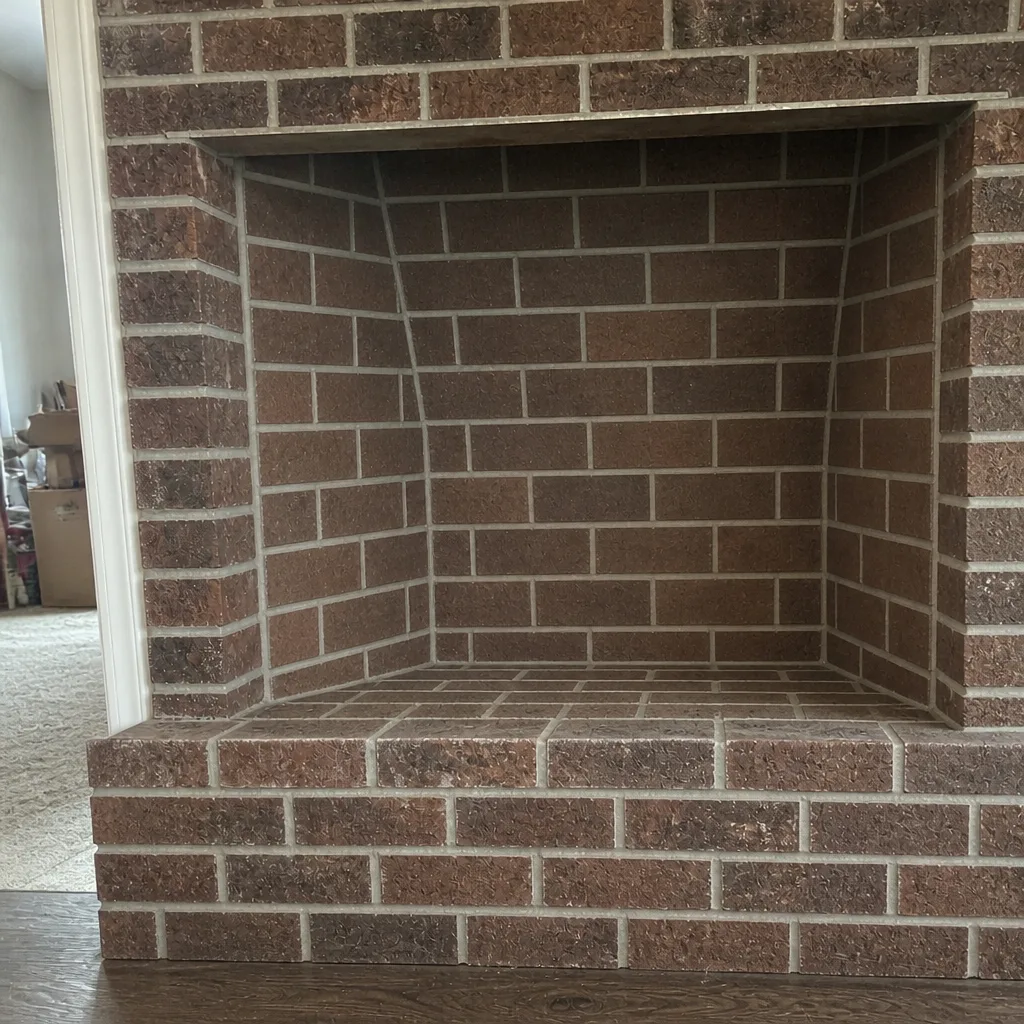
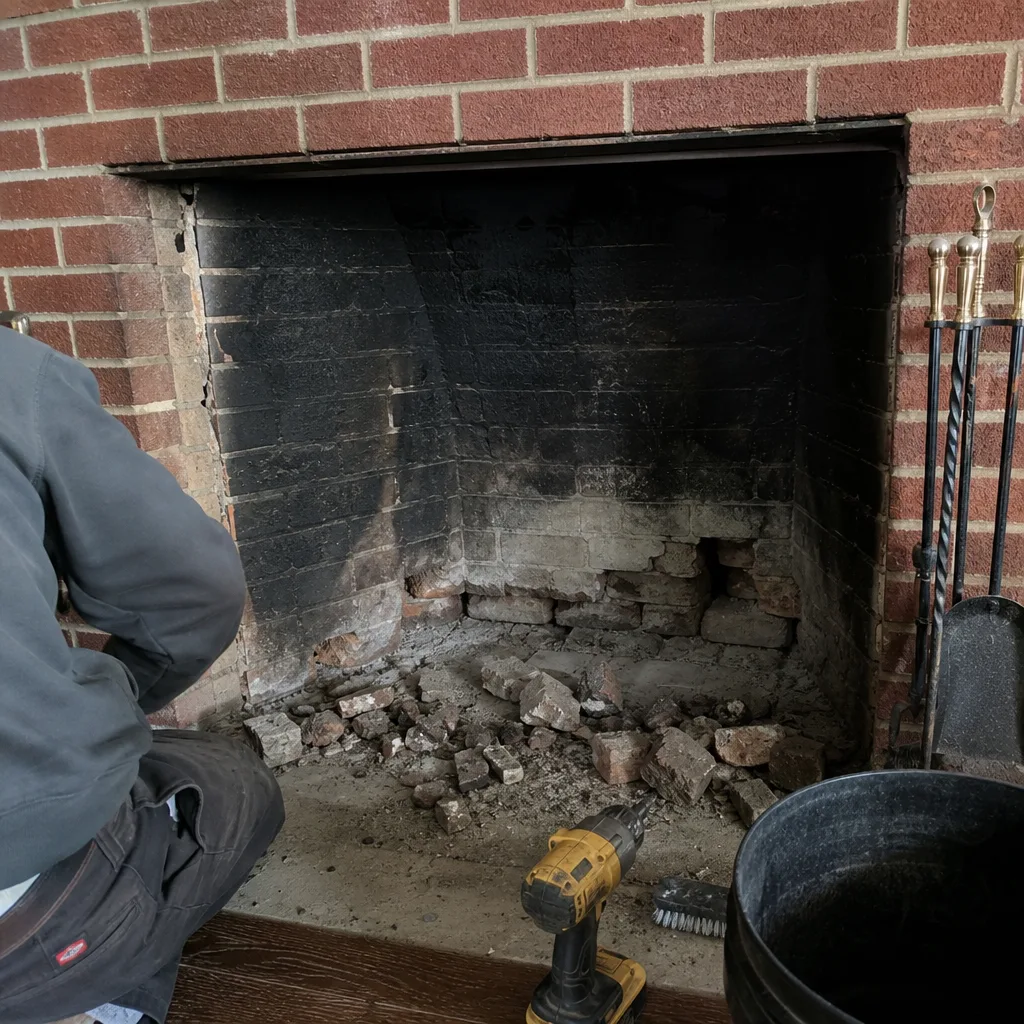
See the difference
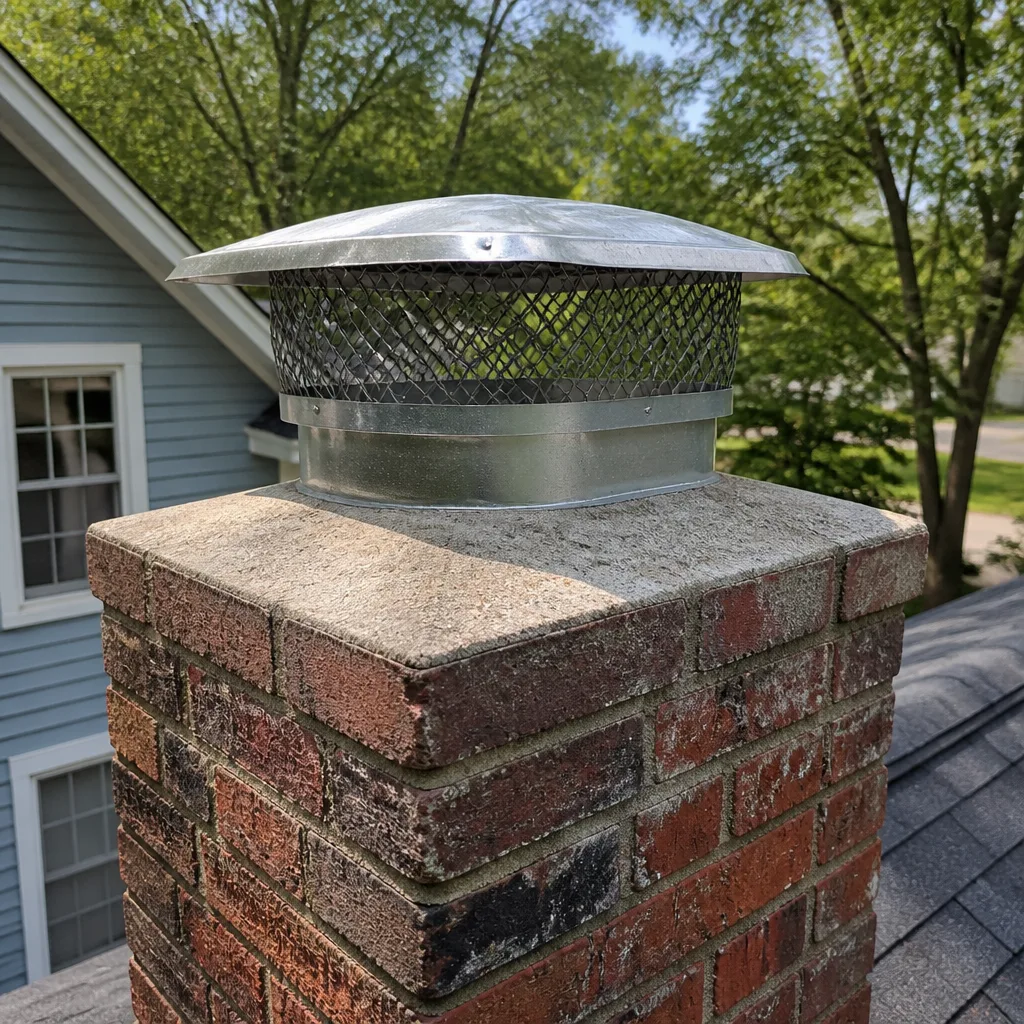
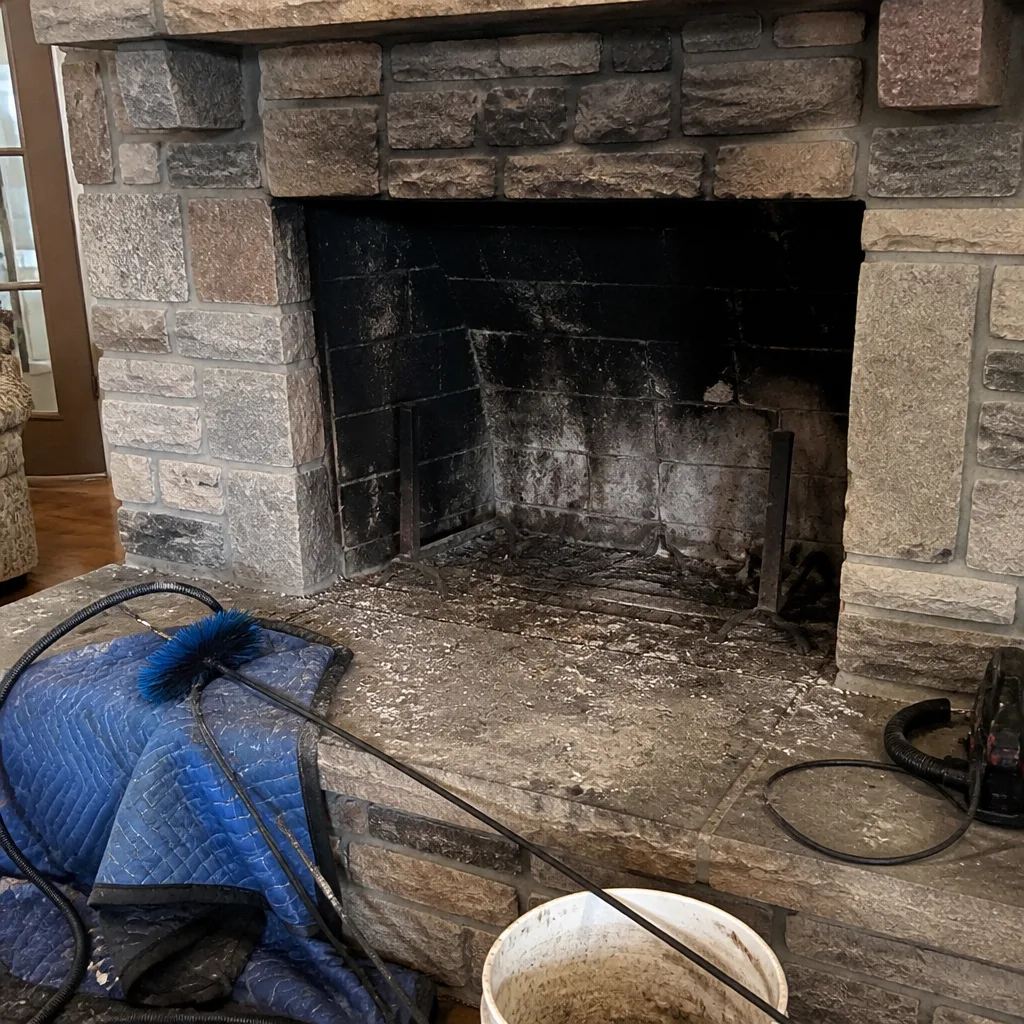 Before
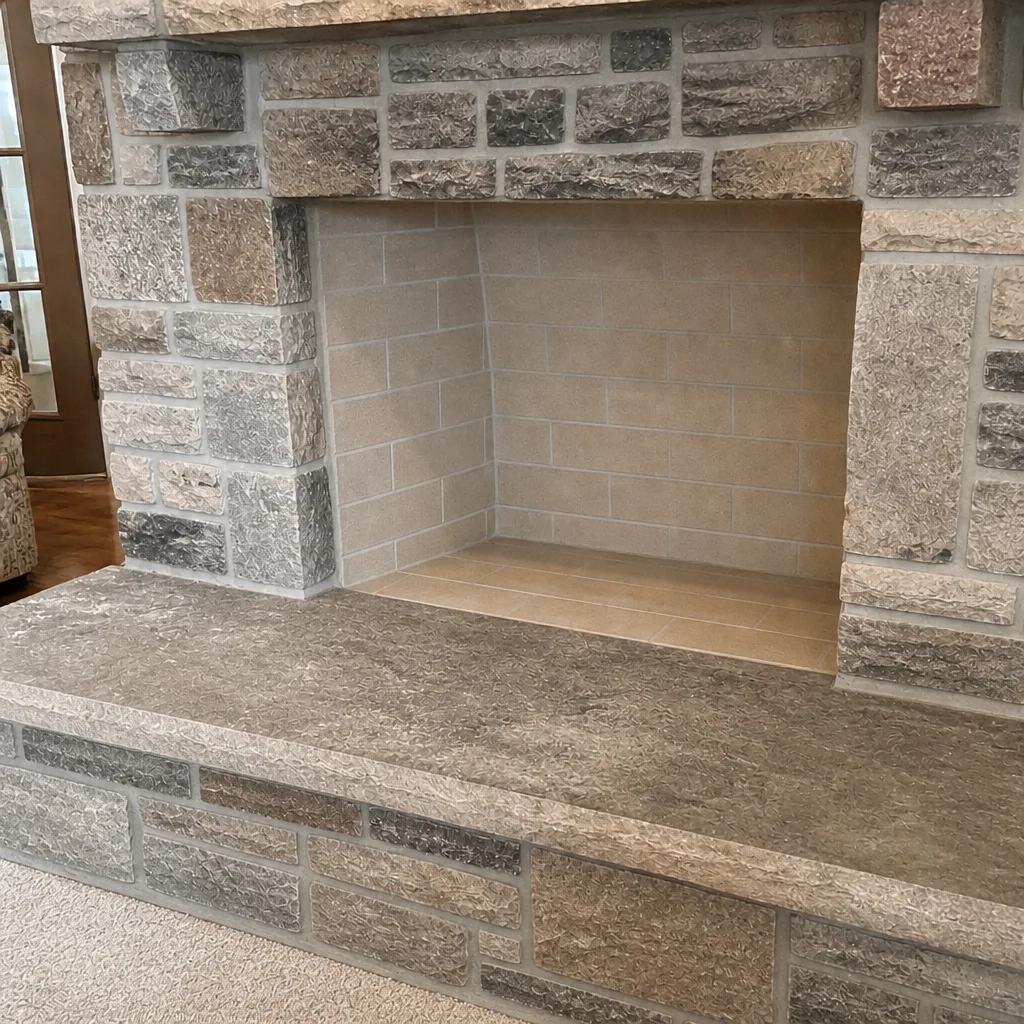 After
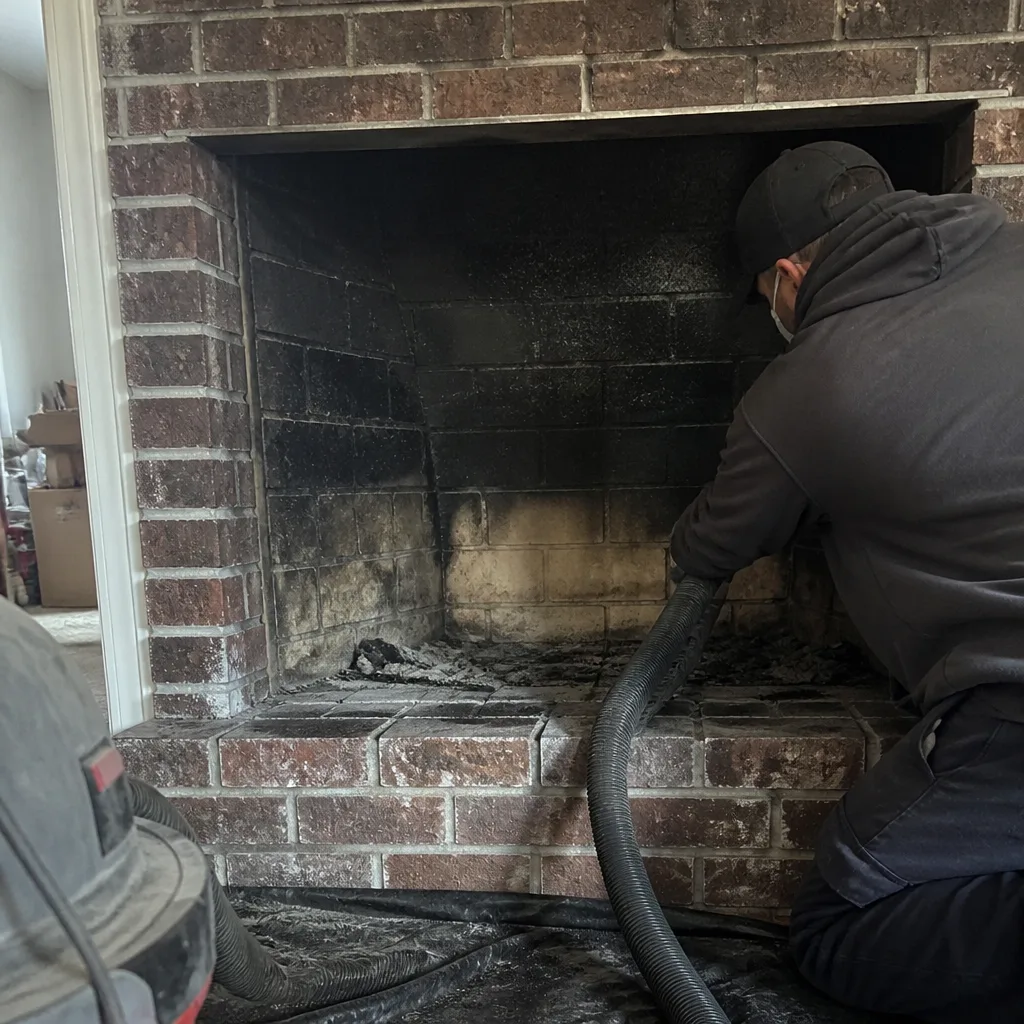 Before
 After
 Before
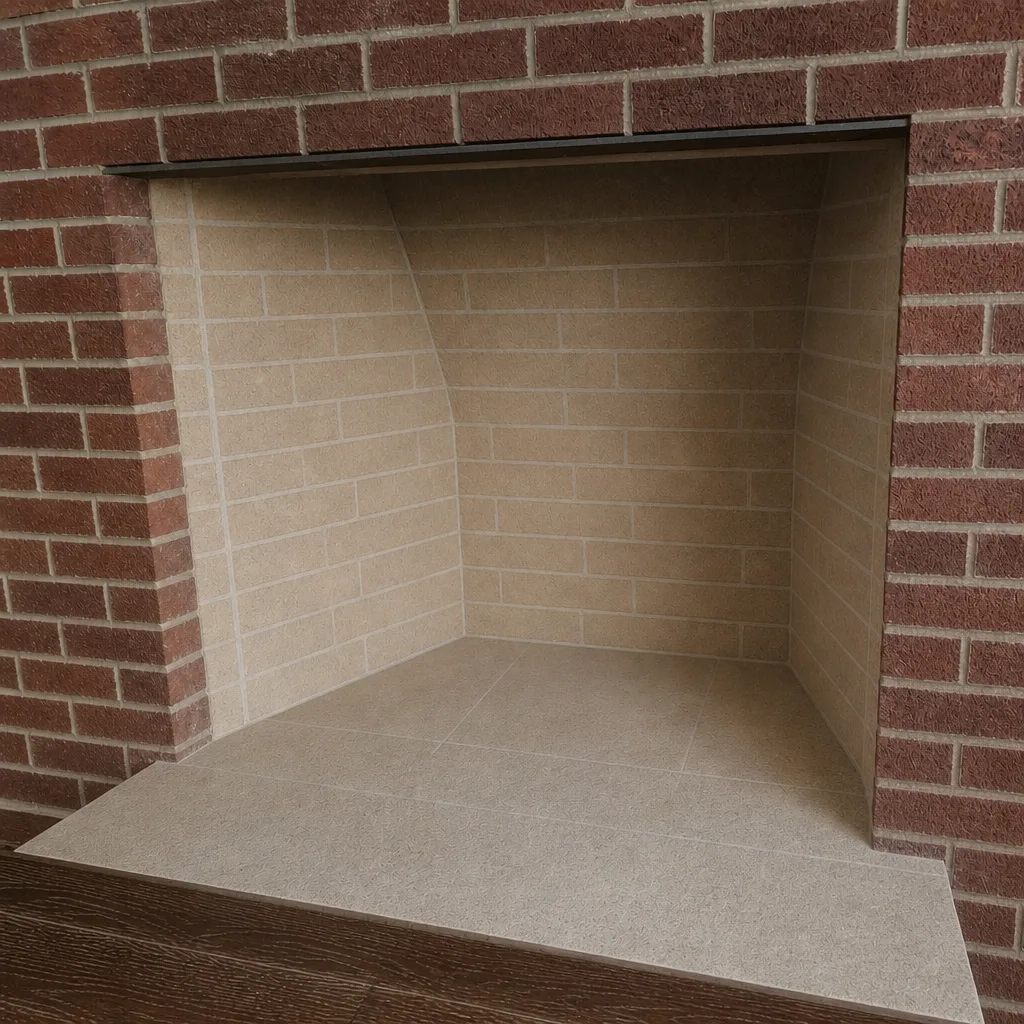 After
When to Call a Professional
Call us when the fire draws poorly or smoke rolls into the room, when you notice a strong, tarry odor after burning, or when you spot cracked or loose brick or a deteriorating crown. Call if you’ve had a chimney fire, even one you think put itself out, and call if you’re buying a Knoxville home and need the chimney assessed before closing. And call if a previous sweep told you the system needs work but didn’t show you why. These are the scenarios where a full-system inspection matters more than a quick clean. Knoxville Chimney Sweep Pros offers free estimates in Knoxville. Our technicians have up to 14 years of experience across every service category we list: sweep, inspection, fireplace repair, chimney repair, and cap and crown work. Call (855) 726-7247. We answer 24/7. Fast dispatch from 7am to 7pm, Sunday through Friday.
Frequently Asked Questions
Pricing is set per job by a written estimate, and the estimate is free. The cost depends on whether the visit is a base sweep and inspection, a Level 2 with camera, or a job with extra cleaning or repair work attached, so it’s not a number anyone can quote before seeing the chimney. Call (855) 726-7247 for an exact quote – estimates are free.
Not always. A liner needs replacing when it’s cracked, missing sections or improperly sized, but many liners that look bad can be restored with a ceramic resurfacing system like HeatShield instead of being replaced. The decision rests on what the camera shows. Ask to see the footage before you agree to anything, and we’ll show you what we found. Call (855) 726-7247 for a free estimate.
Inspect annually, and sweep when the deposits reach a meaningful depth. Knoxville’s humid, freeze-thaw climate builds glazed creosote faster than drier climates, so many homes here benefit from a sweep within a year or two of the last one. A gas fireplace may need it less frequently, but the annual inspection still matters. Call (855) 726-7247 for a free estimate.
The fire risk is creosote ignition, and the structural risk is water damage from a failing cap or crown working slowly into the masonry. Neither shows symptoms you’ll notice early, which is why annual inspection catches both. If you’ve let a few years pass, it’s not an emergency in most cases, just a job to book. Call (855) 726-7247 for a free estimate.
Yes, though the protocol is different from a wood fireplace. Gas appliances deposit film rather than soot, and the priority is inspection of the venting and confirmation that the flue is clear, since a blocked gas vent is a carbon monoxide concern. A gas fireplace should get its own inspection and cleaning routine, not a wood-chimney sweep. Call (855) 726-7247 for a free estimate.
A sweep removes deposits; an inspection assesses the condition of the flue, liner, smoke chamber, damper, cap and crown. A complete visit includes both. If you book a sweep and nobody inspects afterward, you’ve had half the job. That’s the pattern we’re built to correct, because the fix lives on the inspection side. Call (855) 726-7247 for a free estimate.
The Bottom Line
Chimney cleaning in Knoxville is a system inspection that happens to include sweeping. The visit should cover the liner, smoke chamber, firebox, damper, cap and crown, and it should leave you with a written, photographed picture of what your chimney is actually doing. East Tennessee’s humidity and freeze-thaw cycles make glazed creosote and water intrusion more likely than in a dry climate, so an annual inspection isn’t overkill. If a sweep ever finishes in half an hour with no camera and no drop cloths, you’re paying for the brush, not the safety. From first inspection to final repair, one company should see it through. Call (855) 726-7247 for a free estimate. We answer 24/7. Fast dispatch from 7am to 7pm, Sunday through Friday.
Written by the team at Knoxville Chimney Sweep Pros.