
Last updated November 25, 2026
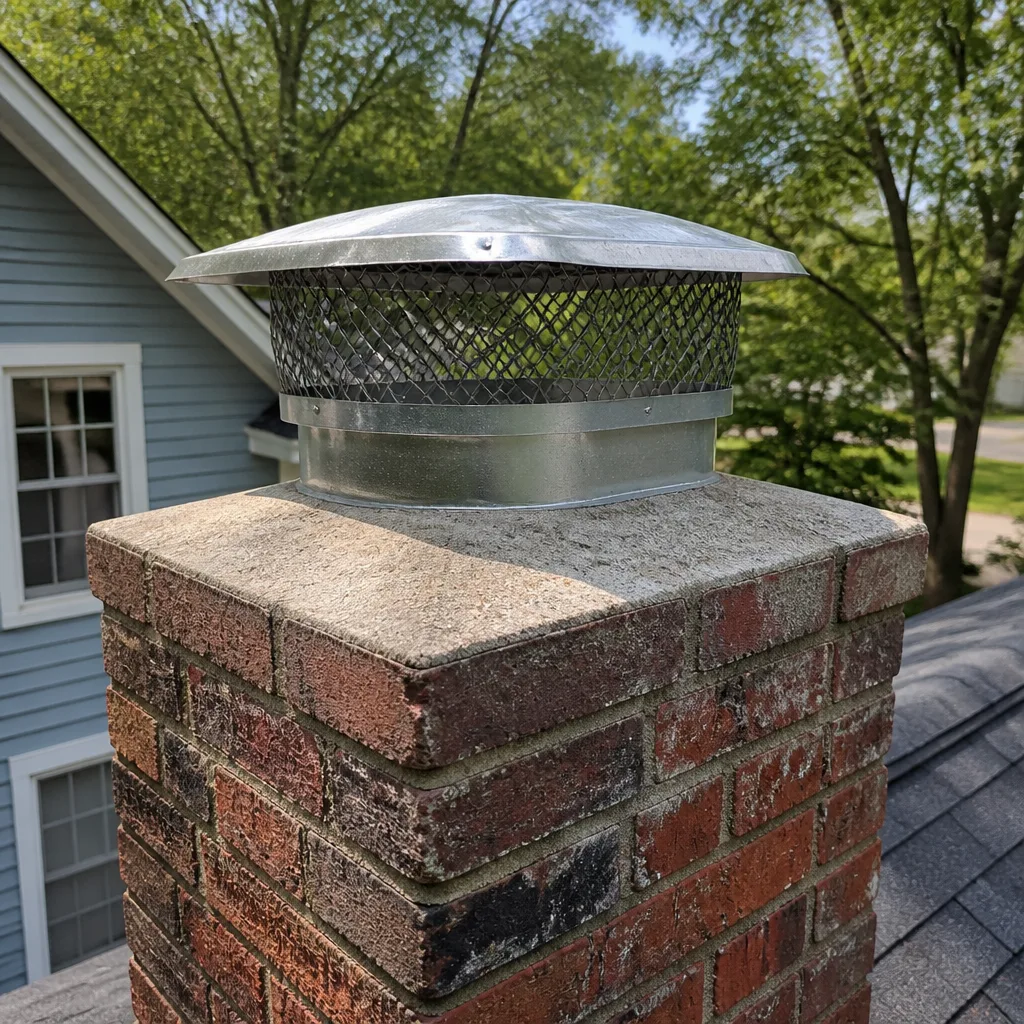 Sweep & inspection
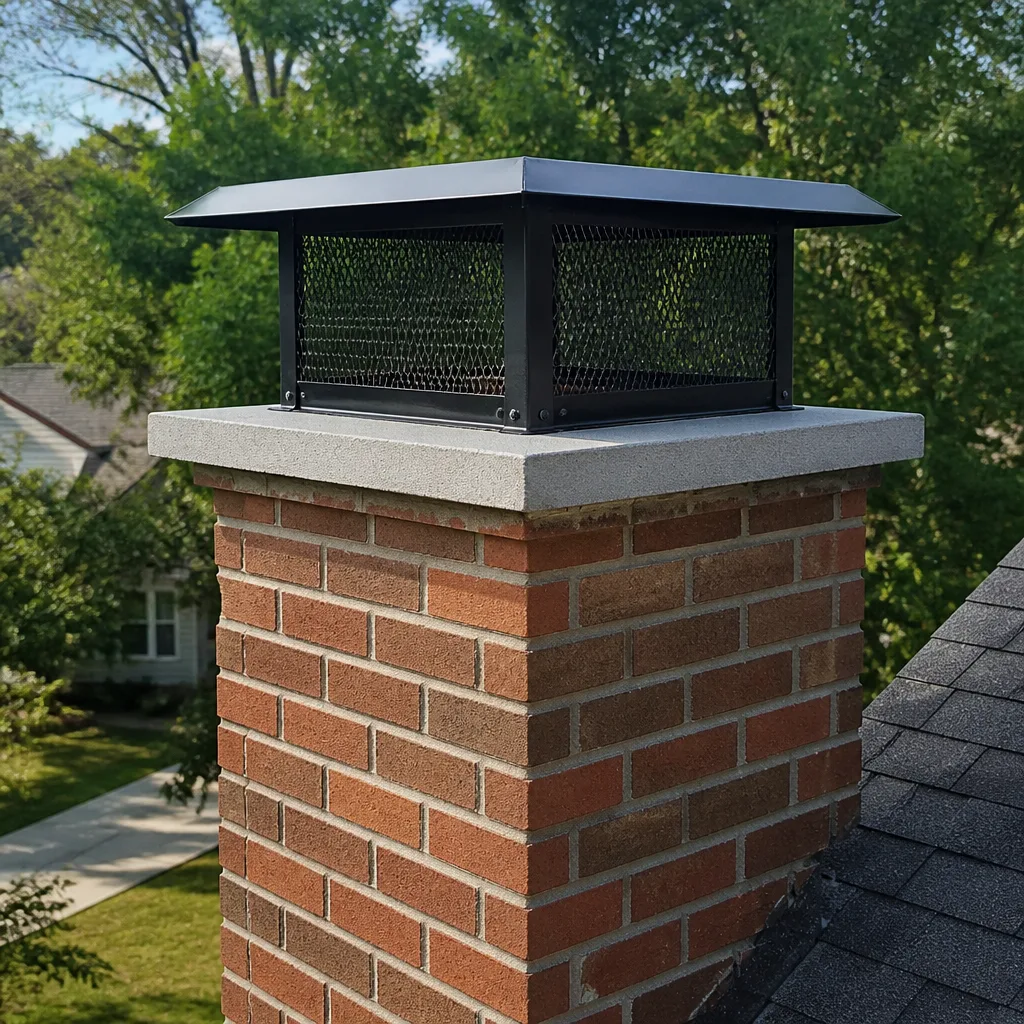 Caps & crowns
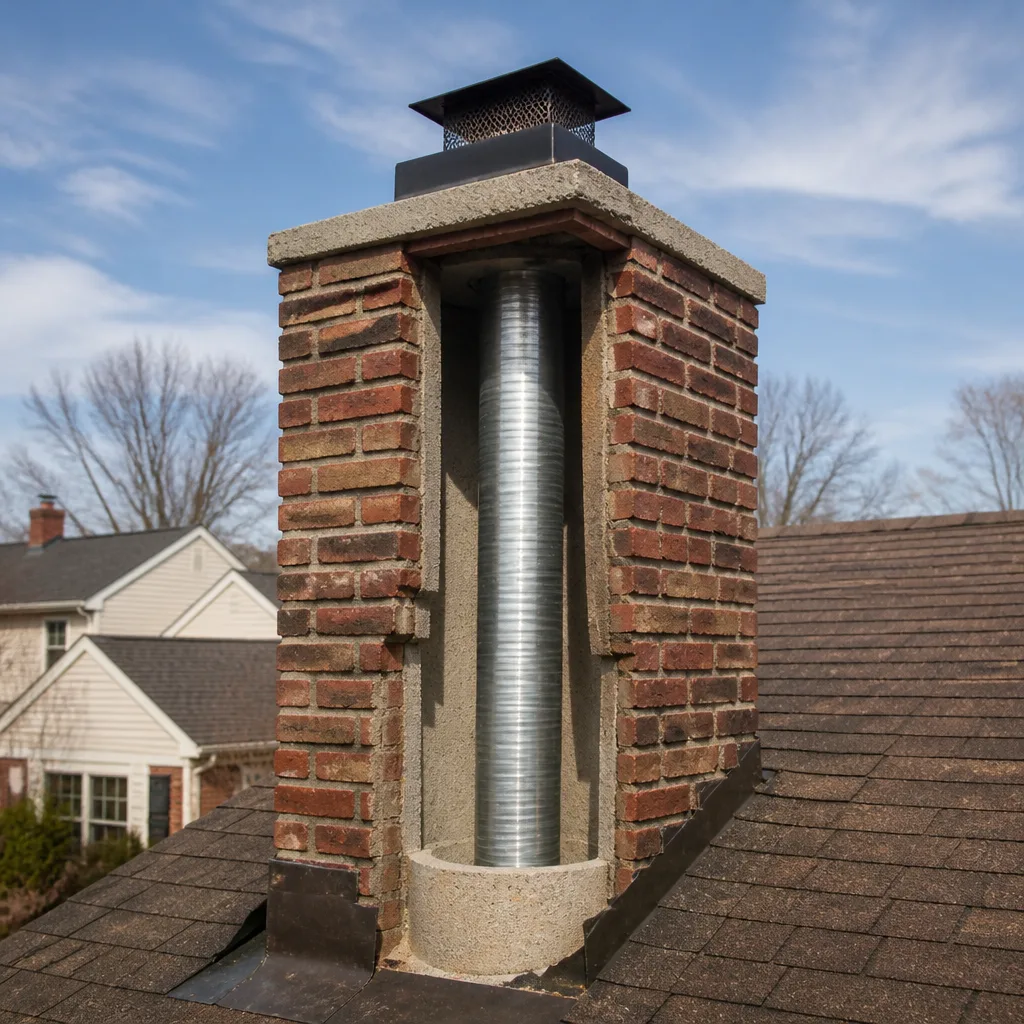 Flue relining
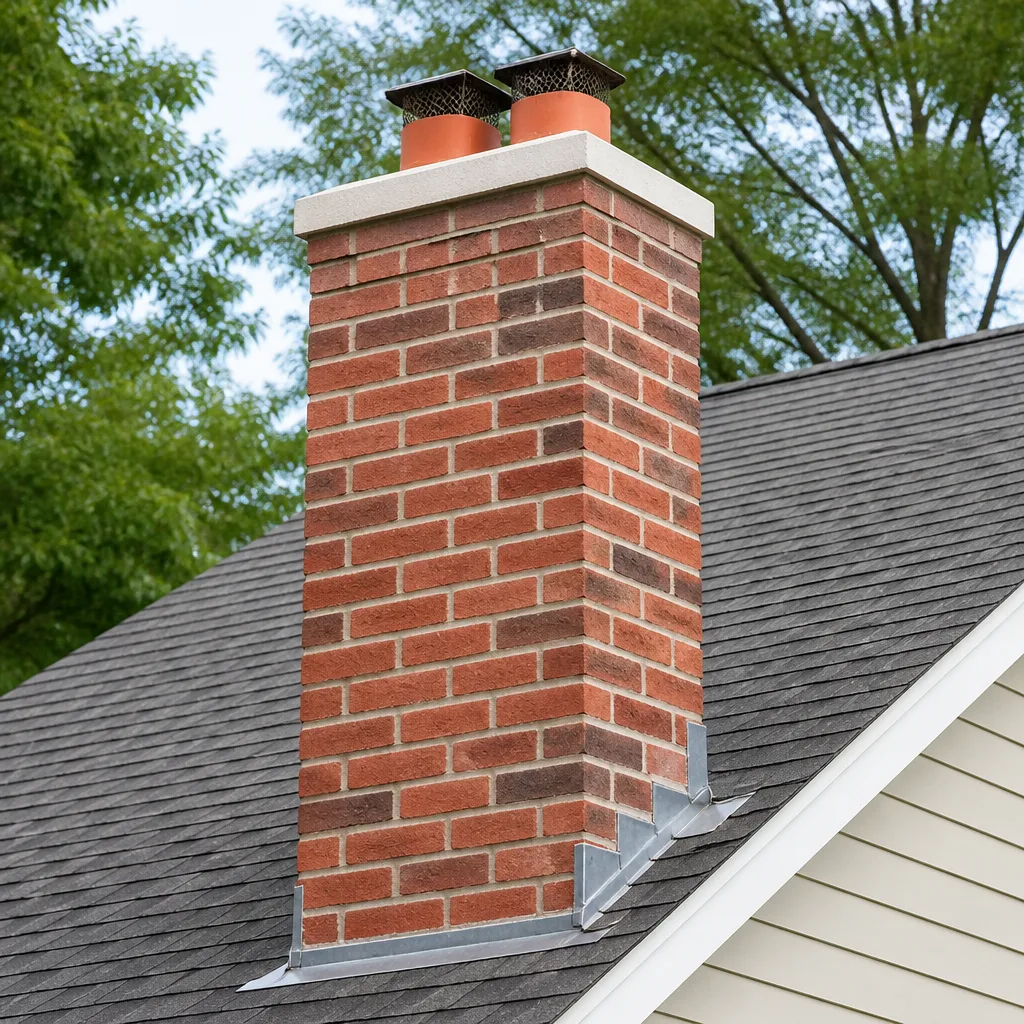 Masonry repair
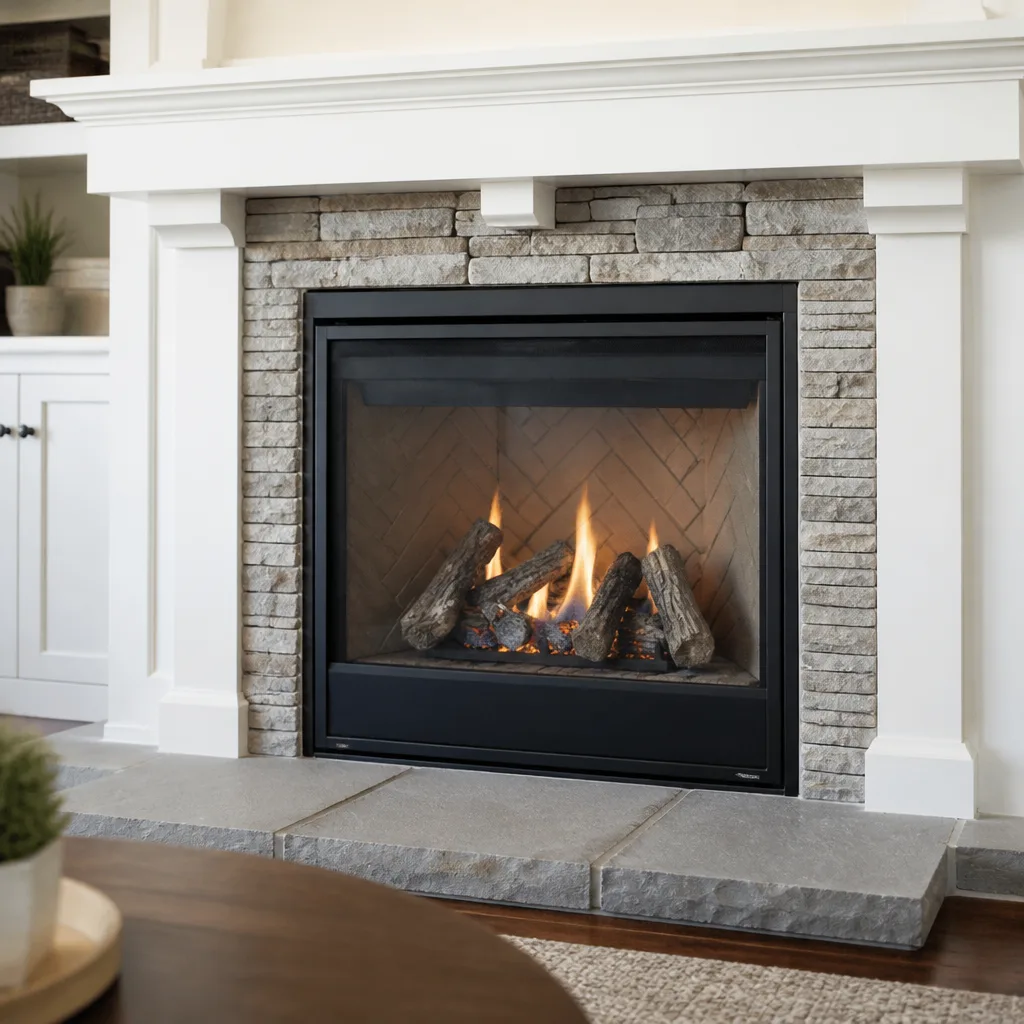 Gas fireplace service
Level 1 sweep and inspection to the NFPA 211 annual standard - flue, crown, cap, and flashing checked and photographed
Chimney sweep logs do not sweep chimneys. They loosen some creosote - which then falls where a brush and vacuum still have to collect it.
Choosing the Right Chimney Cleaning Brand: A Buyer’s Guide for Knoxville
Most homeowners never ask what brand of liner goes into their chimney. They ask what it costs, how long it takes, and whether they need it at all. That’s backwards, and it’s the reason so many Knoxville chimney repairs fail early or get redone within a few seasons. The brand on the box tells you the gauge of the steel, the temperature rating, the warranty, and whether the material was engineered for a wood stove or a gas insert. A contractor who can’t name the manufacturer of your liner system or the sealant going on your crown is telling you something, whether they mean to or not. This guide maps the professional-grade supply brands used in serious chimney work, what each one is actually suited for, and the exact questions that separate technicians who know their materials from those who don’t.
Quick Answer
The right chimney cleaning and repair brands in Knoxville are professional trade-supply lines like DuraFlex for liner systems and HeatShield for ceramic liner restoration, not the retail products sold at big-box stores. What matters most is whether your contractor can name the manufacturer, show you the spec sheet, and match the material rating to your specific appliance. A brand recommendation is only trustworthy when it comes with documentation you can verify.
Styles & brands we work with
- Sweep & inspection
- Caps & crowns
- Flue relining
- Masonry repair
- Gas fireplace service
Table of Contents
- Retail-Grade vs. Professional-Grade Chimney Products
- Professional Supply Brands by Category
- The One Question That Separates Technicians
- Why the Cheapest Liner Bid in Knoxville Usually Fails
- How to Verify a Liner Rating Against Your Appliance
- What “We Use the Best Materials” Actually Means
- Brand Consistency Across the Whole Chimney System
- Why Material Choice Matters in Knoxville’s Climate
Retail-Grade vs. Professional-Grade Chimney Products
The first split in this industry isn’t between brands. It’s between retail-grade and professional-grade, and the gap is bigger than most homeowners expect. A big-box store sells chimney products built to a consumer price point for occasional, light-duty use. A trade supplier sells products built to a spec sheet, tested to a standard, and rated for continuous exposure to flue gases and weather. Those are different products that sometimes share a category name.
Where the difference shows up most:
- Liner work. A retail flexible liner is often a lighter gauge with a lower temperature rating and a shorter warranty. A professional liner system carries a documented rating matched to the appliance and a manufacturer warranty you can register.
- Crown coatings. Retail patching compound cracks and lifts within a few freeze-thaw cycles. Trade-grade crown sealants are flexible, elastomeric, and designed to move with the masonry instead of fighting it.
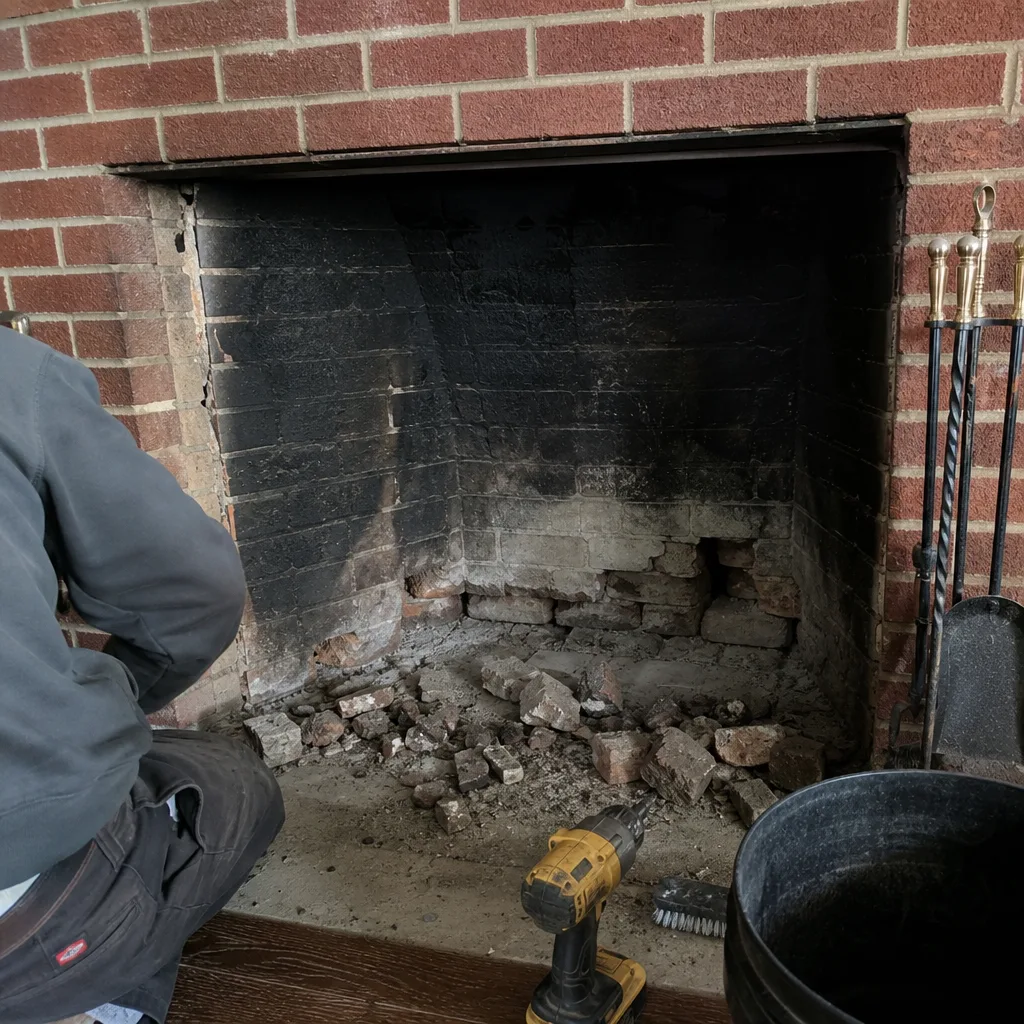
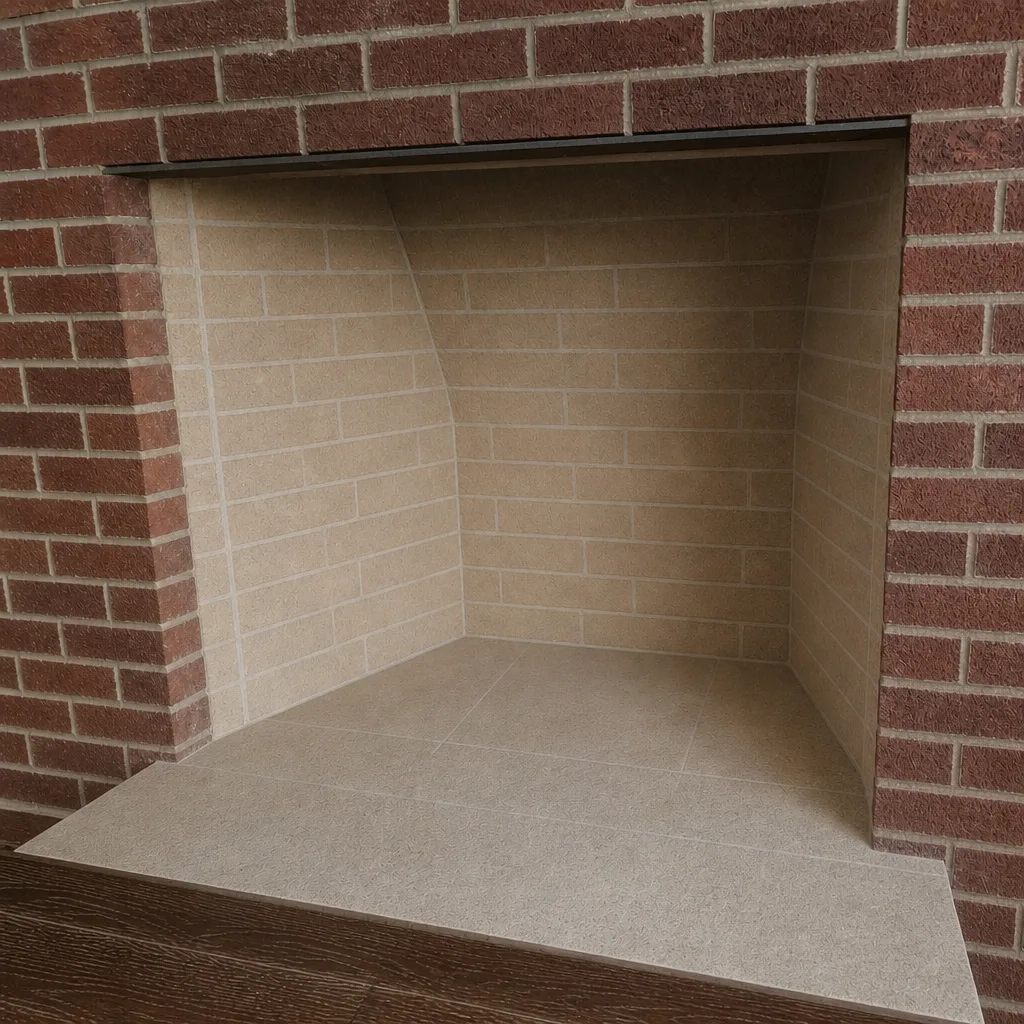
- Firebox repair. Consumer refractory mortar is meant for small touch-ups. Professional firebox mortars and ceramic resurfacing systems are formulated for the heat cycling a firebox actually sees.
In our experience, the homeowner who buys the retail product and the homeowner who hires the trade-grade install pay for the job twice at very different points. One pays once. The other pays again in a few seasons when the material has failed. The brand on the box is the fastest way to tell which path you’re on.
Our Knoxville Chimney Sweep Pros team works exclusively with trade-grade materials because a chimney is a system, and a weak component pulls the whole system down with it.
Professional Supply Brands by Category
Here’s the landscape most homeowners never see before they approve a repair. The chimney supply trade has a relatively small number of brands that contractors actually trust for critical work, and each one tends to specialize. Knowing the category matters more than memorizing the names, because the category tells you what the brand is good at.
Liner systems
A liner is the most consequential purchase in chimney work. It’s the pipe that carries flue gases out of your home, and it has to be rated for the fuel you burn and the temperature your appliance produces. DuraFlex is a stainless flexible liner system that professionals use for relining existing masonry chimneys, and it’s a standard spec in the trade for good reason: the ratings are documented, the warranty is real, and the components are engineered as a system rather than a coil of tube. Stainless liner systems from Rockford, Selkirk, and Flexmaster occupy similar territory. DuraFlex is a brand our technicians work with regularly for relining jobs where the masonry chase is sound but the old liner is not.
Crown sealants and waterproofing
The crown is the concrete cap on top of the chimney, and it’s the single most common entry point for water. Trade-grade crown sealants are flexible membranes, not rigid patching compounds. A rigid patch on a masonry crown cracks the first winter it freezes. A flexible sealant moves with the crown and stays sealed. CrownCoat and ChimneySaver are two of the names you’ll see in this category. Neither gets sold at retail in a form a homeowner should apply to a structural crown.
Liner restoration with HeatShield
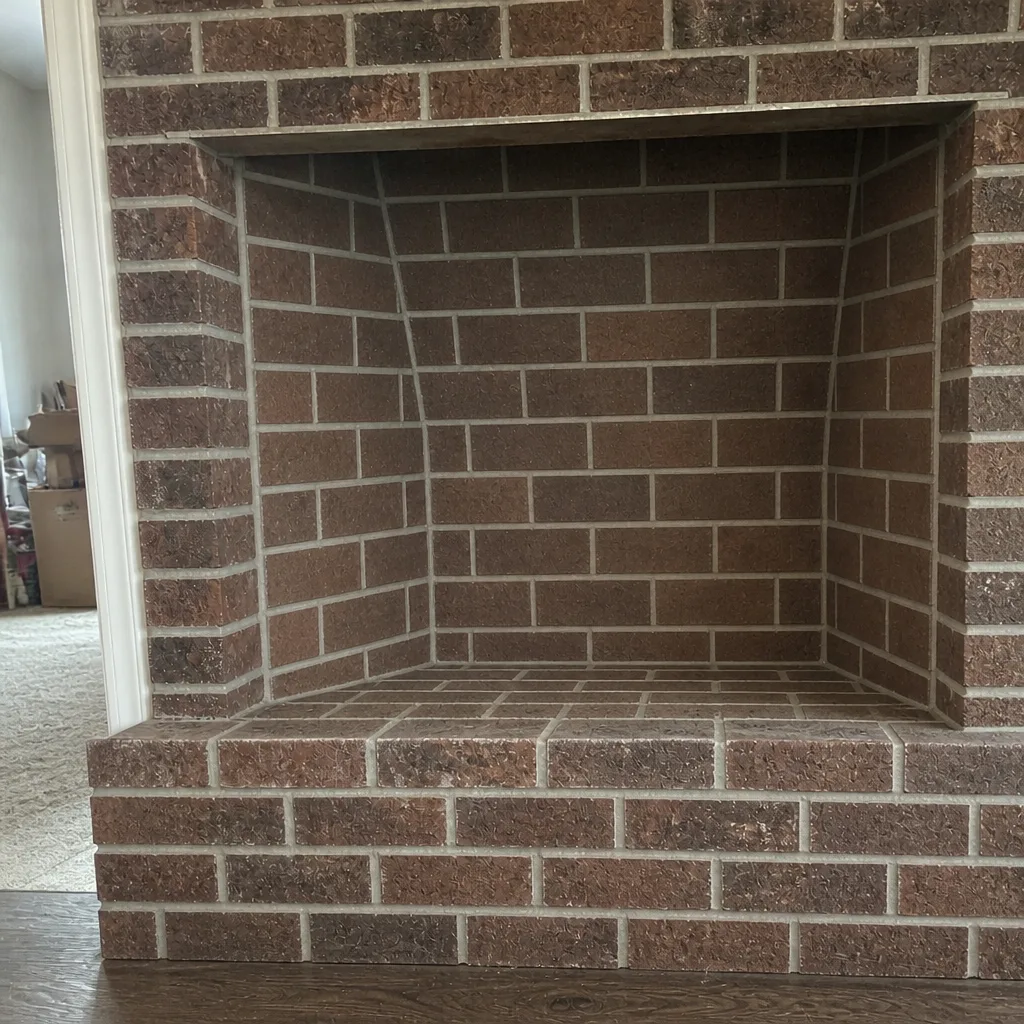
HeatShield is a professional ceramic resurfacing system, and it’s a category of its own. Instead of pulling the old liner and installing a new one, HeatShield restores the interior surface of a clay tile flue with a ceramic coating that’s applied, smoothed, and cured in place. It’s a legitimate alternative to full relining when the flue is structurally intact but the tile surface has cracked or spalled. Most sweep-only companies can’t offer it because it requires specialized training and equipment. Our technicians are HeatShield-qualified for chimney liner restoration, and it’s one of the options we evaluate when a flue doesn’t actually need a full liner replacement.
Firebox repair mortars
Firebox mortars from Rutland and Meeco’s Red Devil are trade-grade refractory products designed for heat cycling. The distinction here is that a firebox isn’t just masonry, it’s masonry exposed to repeated thermal shock. Consumer mortar fails at that. Professional refractory mortar doesn’t.
Venting components
Gelco and Copperfield make venting components used in chimney and appliance connections. These are the parts that bridge the appliance to the flue, and they’re usually where a cheap install reveals itself. A hardware-store adapter on a flue connection is exactly the kind of shortcut that turns into a carbon monoxide problem.
The One Question That Separates Technicians
You don’t need to become a chimney materials expert before your next appointment. You need one question. Ask your contractor, before any work begins, “What brand and model of liner (or crown sealant, or firebox mortar) will you use, and can I see the spec sheet?”
That’s it. The response tells you almost everything:
- A technician who knows their materials names the brand immediately, describes the rating, and can explain why that particular product fits your appliance and flue. They may show you a spec sheet on the spot. They may need to look it up, which is fine, but the answer is specific.
- A technician who doesn’t says “we use the best” or “it depends on the job” without ever naming a manufacturer. That’s a data point. It doesn’t automatically mean bad work, but it means you’re about to spend real money on a product they haven’t described.
Follow up with a second question: “Is that product rated for my appliance type?” A liner rated for a wood stove is not the same as a liner rated for a gas insert. A crown sealant designed for masonry isn’t the same as one designed for a metal chase. The answer should be specific to your setup, not a generic claim about quality.
If you’re in Knoxville and the answer comes back vague, that’s your signal to get a second opinion before signing anything. Call (855) 726-7247 and we’ll walk you through what a spec-based answer should sound like. We answer 24/7.
Why the Cheapest Liner Bid in Knoxville Usually Fails
The cheapest liner bid you get in Knoxville is almost always a lighter-gauge system with a lower temperature rating than your appliance needs. That’s how it’s cheaper. It isn’t a scam in the legal sense; it’s a suboptimal spec that a homeowner with no framework can’t see until it fails. Below-cost liner work tends to show up in one of three forms:
- Lighter gauge steel. Thinner walls mean shorter service life under the same heat cycling. The savings happen once and the cost happens later.
- Wrong rating. A liner rated for a gas appliance installed on a wood stove, or a liner rated for one appliance installed on a higher-BTU unit. The rating mismatch is invisible until the liner degrades or the inspection flags it.
- Missing components. Cap, top plate, adapter, insulation wrap, and appliance connector all have a role. A cheaper bid frequently deletes one or more of them and still calls it a complete liner install.
A fair bid at a fair price is not a red flag. A bid that’s dramatically below everyone else in the Knoxville market usually is, and the difference is almost always in the material spec. The good news is that you can ask directly. Ask whether the quote includes the full liner system (pipe, cap, top plate, adapter, insulation if the flue requires it) and what the manufacturer temperature rating is. If the contractor can answer cleanly, the price is probably honest. If they can’t, the price is probably hiding something.
How to Verify a Liner Rating Against Your Appliance
Verification isn’t complicated. It just takes a few minutes of asking the right questions, and it’s worth doing before you approve a liner install. Here’s the order that works:
- Identify your appliance type and BTU output. Wood stove, wood insert, gas insert, or open fireplace. If you have a stove or insert, the manual or the data plate lists the BTU input. If you don’t have the manual, the manufacturer nameplate on the appliance is usually accessible.
- Ask which liner the contractor plans to install, brand and model. Write it down. “DuraFlex” alone isn’t enough; there are models within the line rated for different appliance types and temperatures.
- Ask for the manufacturer spec sheet. A legitimate contractor has access to it or can find it in a few minutes. The spec sheet lists the temperature rating, the appliance type, the fuel type, and the warranty terms.
- Cross-check the rating against your appliance. A liner rated for a wood appliance at a given temperature should be installed only on an appliance that stays within that temperature. If the appliance produces more heat than the liner is rated for, the spec is wrong.
- Confirm the warranty is in your name. Manufacturer warranties on liner systems are typically tied to the installation. If the warranty is registered to the contractor rather than to you, ask why.
That five-step check is the whole game. It costs you a few questions and it protects the money you’re about to spend on the most expensive component in your chimney system.
If the flue doesn’t need a full liner at all, HeatShield liner restoration is the alternative worth asking about directly. Our technicians are HeatShield-qualified and can evaluate whether resurfacing is a better fit than replacement for your flue.
What “We Use the Best Materials” Actually Means
“We use the best materials” is a sentence that means nothing on its own. Every contractor says it. What separates a real claim from a slogan is documentation, and documentation takes three forms in this trade.
Manufacturer spec documentation
A contractor who actually uses professional-grade materials can show you the spec sheet for the product they’re proposing. The spec sheet names the manufacturer, the model, the rating, and the intended application. It’s the trade equivalent of a nutrition label. A contractor who can’t produce one isn’t using materials with a documented spec.
Warranty paperwork in your name
Brand-name liner systems and ceramic restoration systems come with manufacturer warranties. Those warranties are only meaningful if they’re registered to you, the homeowner, and if the documentation is handed over at job completion. Ask before work begins: “Will the manufacturer warranty be registered to me, and will I get the paperwork?” If the answer isn’t an immediate yes, the materials aren’t what’s being claimed.
Proof of trade supply
The most concrete proof is a receipt or invoice from a professional supply house. Not a big-box receipt. Contractors who work with DuraFlex, HeatShield, Gelco, and Copperfield buy through trade channels, and those channels leave a paper trail. You don’t need to demand receipts on every small job, but on a liner install or a major repair it’s a reasonable ask, and a professional contractor will not be offended by it.
The pattern here is verification. Any contractor who can’t be verified on materials is asking you to trust a claim instead of checking it. In Knoxville, where chimney repair is a significant purchase for most households, verification is worth the extra conversation.
Brand Consistency Across the Whole Chimney System
Here’s the thing most homeowners miss: the brands on your chimney need to work together as a system, not as isolated parts. A DuraFlex liner is only as good as the top plate that seals it, the crown that sheds water off it, and the cap that keeps wildlife and rain out. When a sweep-only company installs a premium liner and leaves the crown cracked, you’ve paid for the liner and you’re still going to get water in the flue.
A chimney is a system. The top works with the flue works with the firebox works with the appliance connection. When the parts come from different quality tiers, the weakest one determines the life of the assembly. That’s why we work across the full lifecycle instead of stopping at cleaning: sweep, chimney sweep visits that catch problems early, fireplace repair when the firebox or damper has failed, and chimney cap & crown work that keeps water out of the system from the top down.
The cap and crown piece matters more than most people realize. Caps and crowns address the leading causes of water intrusion and structural chimney damage, and they do it at the source. A cracked crown lets water into the masonry, which freezes, expands, and spalls. A missing cap lets rain, squirrels, and birds into the flue. Neither of those problems gets solved by a sweep. Both get solved at the top of the chimney with trade-grade components and a proper seal.
Brand consistency across the system also means fewer handoffs. When one contractor handles the liner, the crown, the firebox, and the cap, there’s no gap where one trade blames another. Full-system capability is the reason we can carry the fix, not just the diagnosis.
Why Material Choice Matters in Knoxville’s Climate
Knoxville’s climate puts specific pressure on chimney materials that a milder climate doesn’t. The freeze-thaw cycle here runs through the colder months with real swings: a warm afternoon that melts snow off the crown, then a hard freeze overnight. That cycle is what destroys rigid crown patching and cheap firebox mortar. Water gets into a hairline crack, freezes, expands, and widens the crack the next day. Repeat that through a few winters and a small repair becomes a rebuild.
That’s why trade-grade flexible sealants matter more here than the marketing suggests. A flexible crown sealant moves with the masonry through those swings. A rigid patch does not. The difference between the two is a few dollars per square foot at the supply house and a few thousand dollars at the repair stage.
Knoxville’s housing stock also matters. A lot of the older homes in neighborhoods around downtown, Fourth and Gill, and the Near Northside have original masonry chimneys with clay tile flues. Those flues were built to code at the time and are often still structurally sound, but the tile surface has cracked or spalled after decades of use. That’s exactly the scenario where ceramic liner restoration with HeatShield makes sense instead of a full stainless relining. The right answer is the one matched to the actual condition of the flue, not the one that’s easiest to upsell.
Homes on the newer side of Knoxville, out toward Hardin Valley and the western suburbs, tend to have prefab metal fireplaces and inserts. Those chimneys have different material requirements: venting components, caps, and connectors from lines like Gelco and Copperfield matter more than ceramic restoration. A contractor who works across both types gives you a real answer instead of a one-size recommendation.
A chimney inspection in Knoxville in the fall, before burning season starts, is the best time to catch a material problem before it becomes a structural one. Camera inspection through a Knoxville Chimney Sweep Pros visit shows you what’s actually there, with photos you can evaluate for yourself.
Common Mistakes to Avoid
- Picking a bid without a spec. Two quotes that both say “stainless liner” can be a thousand dollars apart because one is a lighter gauge with a shorter warranty and a lower temperature rating. Ask for brand and model from every bidder before you compare price.
- Letting a sweep-only company diagnose a structural problem. A sweep is the right service for an annual cleaning. It isn’t the right service for a cracked crown or a failed firebox. If you get a cleaning and a vague note about “some masonry work needed,” ask for a specific repair scope with materials named.
- Approving a rigid crown patch. Rigid patching compound on a Knoxville crown will crack again within a winter or two. Flexible trade-grade sealant costs a little more and lasts a lot longer. Ask which one is being quoted.
- Skipping the cap to save money. A missing or damaged cap is the fastest path to water, wildlife, and debris in the flue. The cap is one of the cheapest parts of the system to install and one of the most expensive to skip.
- Taking “we use the best materials” as a spec. It’s a slogan, not a product. Ask for the manufacturer name, the model, and the spec sheet, and register the warranty in your own name.
- Assuming every flue needs a full liner. Sometimes ceramic restoration with HeatShield is the correct fix. Sometimes the flue is fine. The inspection and camera evidence should drive the recommendation, and you should be able to see the evidence yourself before you approve the work.
- Ignoring the appliance rating. A liner rated for a gas insert installed behind a wood stove is a failure waiting to happen. If the contractor can’t produce the temperature rating for your appliance type, don’t sign.
See the difference
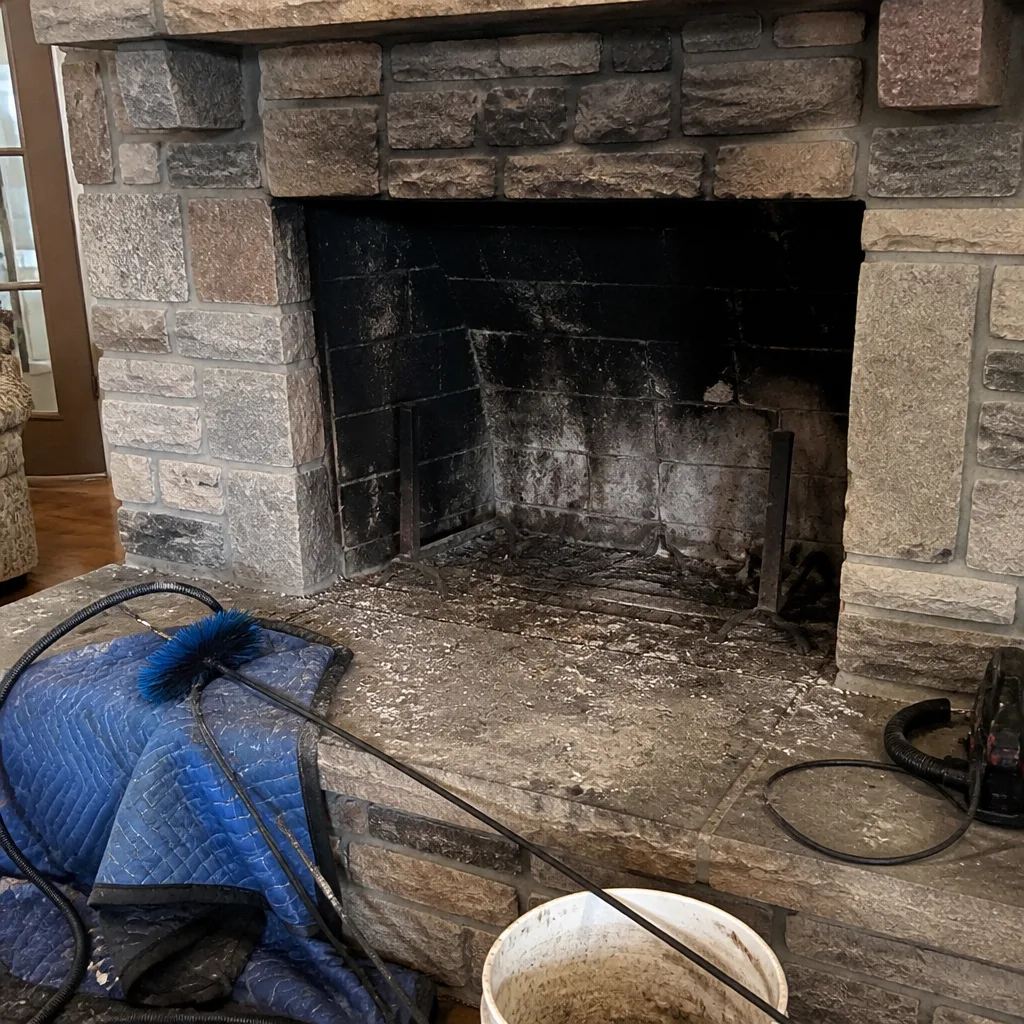 Before
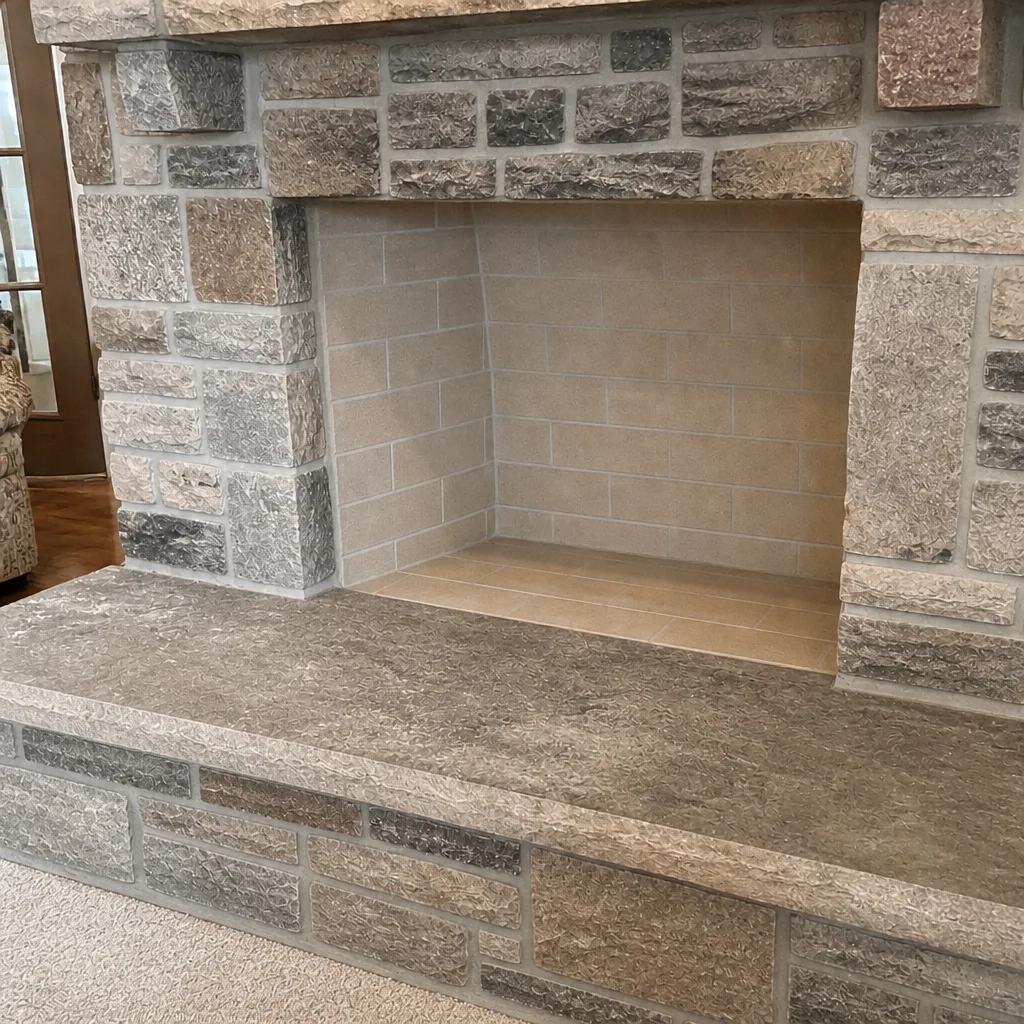 After
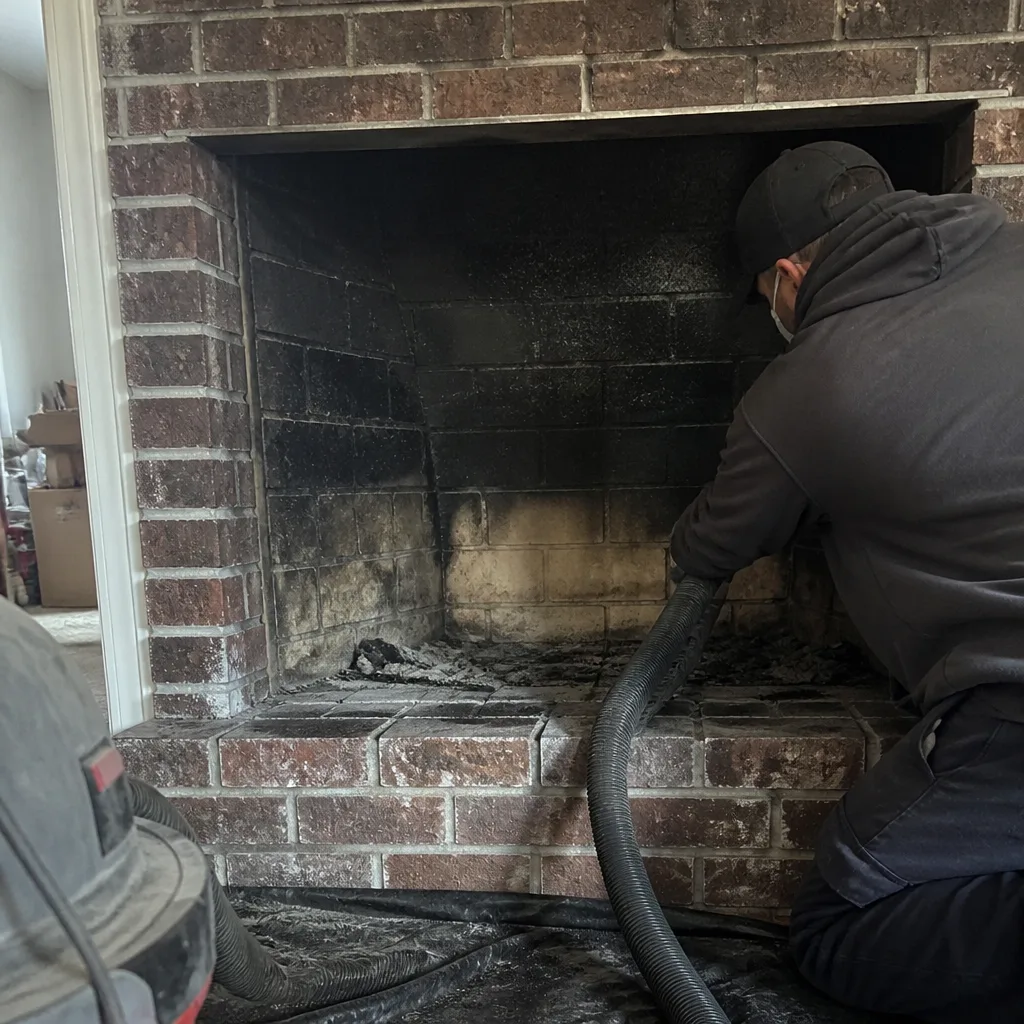 Before
 After
 Before
 After
When to Call a Professional
Some chimney work is routine and some of it is dangerous to defer. Call a professional if you’re seeing water stains on the ceiling near the chimney, cracking or spalling on the crown, rust on the firebox or damper, a strong creosote smell in warm weather, smoke backing into the room, or a chimney that hasn’t been inspected in the time you’ve owned the home. Call before burning season if you moved into a Knoxville house with an unfamiliar fireplace, and call before you approve any liner or masonry repair that hasn’t been explained with camera evidence. Call if a contractor quotes you a repair without naming the brand, the model, or the manufacturer spec. Knoxville Chimney Sweep Pros offers free estimates in Knoxville. Call (855) 726-7247. We answer 24/7, with fast dispatch from 7am to 7pm, Sunday through Friday.
Frequently Asked Questions
Professionals in Knoxville work with trade-supply lines like DuraFlex for liner systems, HeatShield for ceramic liner restoration, Gelco and Copperfield for venting components, and professional-grade crown sealants and firebox mortars from suppliers that don’t sell at retail. The specific brand matters less than whether your contractor can name it, show the spec, and match the rating to your appliance. Call (855) 726-7247 for a free estimate and we’ll walk you through the materials we propose.
No, not for a wood-burning appliance in a permanent install. Retail liners are built to a consumer price point with lighter gauge steel, shorter warranties, and frequently a lower temperature rating than a wood stove or insert needs. They’ll fit and they’ll pass through a flue, but the service life under real heat cycling is substantially shorter. The savings on the front end rarely hold through the life of the liner.
Ask your contractor for the manufacturer spec sheet, written on the quote with the brand and model named. Compare the spec sheet’s temperature rating and appliance type against your unit’s nameplate. If the appliance produces more heat than the liner is rated for, the spec is wrong. The contractor should be able to explain the match in plain language and confirm the manufacturer warranty will be registered in your name.
Restoration is the right answer when the flue is structurally intact but the clay tile surface has cracked or spalled. HeatShield ceramic restoration is a legitimate alternative to full relining in that scenario, and our technicians are qualified to evaluate and apply it. Full relining is the right answer when the flue structure itself is compromised. The only way to know which applies to your chimney is a camera inspection you can see the results of yourself.
A sweep cleans the flue. A full-service chimney company handles the sweep, the inspection, the fireplace repair, the chimney repair, and cap and crown work, which matters because water intrusion and structural damage frequently start at the top of the system where a sweep-only visit doesn’t reach. If the diagnosis calls for a repair, a full-service company carries the fix rather than handing you off to a separate contractor.
Yes. Our estimate is free and there’s no obligation to book the work. The estimate sets the price per job in writing, so you know exactly what’s being proposed before you approve anything. If the work can safely wait, we’ll tell you. Call (855) 726-7247. We answer 24/7, with fast dispatch from 7am to 7pm, Sunday through Friday.
The Bottom Line
The brand on the box tells you more about a chimney repair than any sales pitch will. Professional-grade lines like DuraFlex, HeatShield, Gelco, and Copperfield carry documented ratings and manufacturer warranties that retail products don’t, and the difference shows up in how long the work lasts. Your single best move as a homeowner is to ask for the brand, the model, and the spec sheet before work begins, and to confirm the warranty is registered in your name. A contractor who can answer cleanly is one worth trusting with the rest of the chimney system. A contractor who can’t is telling you something. Either way, you now have the framework to tell the difference.
Knoxville Chimney Sweep Pros handles the full chimney and fireplace lifecycle with trade-grade materials, from first inspection to final repair. Call (855) 726-7247 for a free estimate. We answer 24/7, with fast dispatch from 7am to 7pm, Sunday through Friday.
Written by the team at Knoxville Chimney Sweep Pros.