
Last updated November 25, 2026
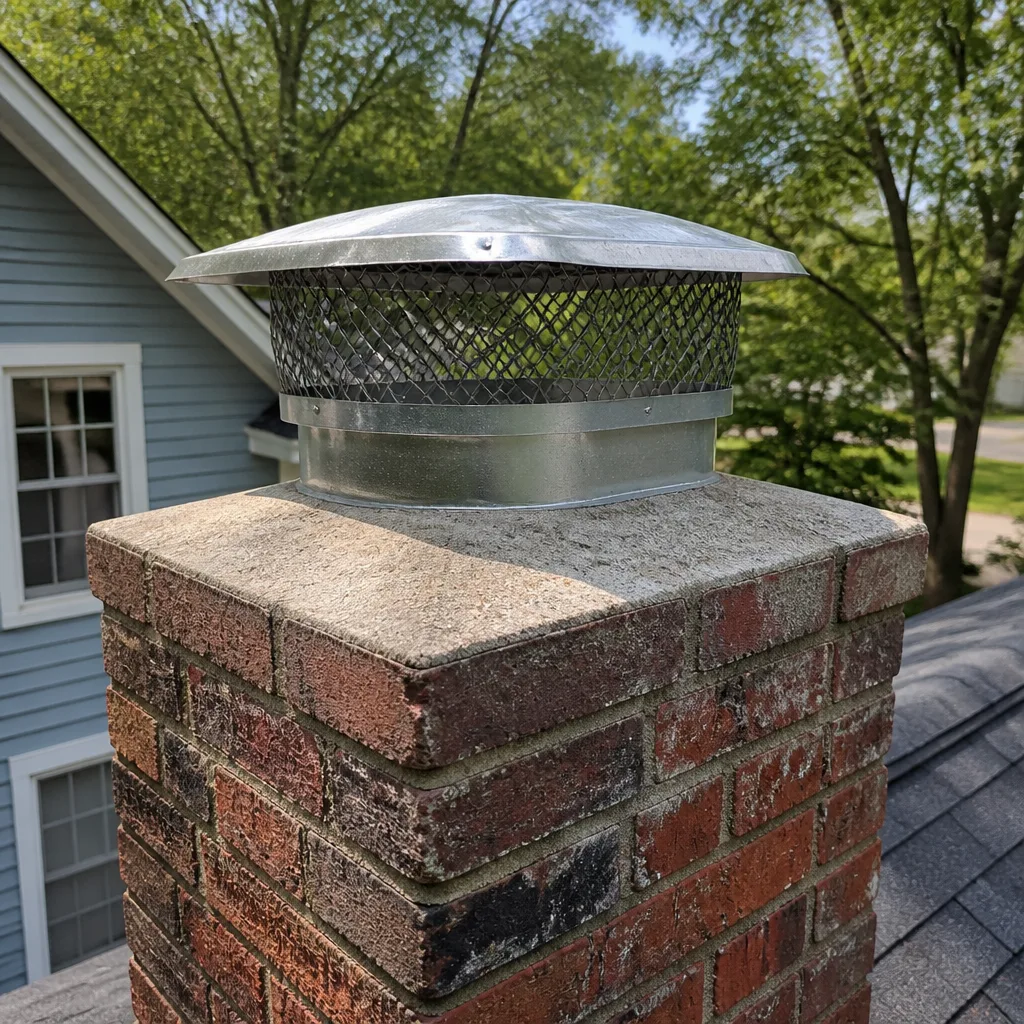 Sweep & inspection
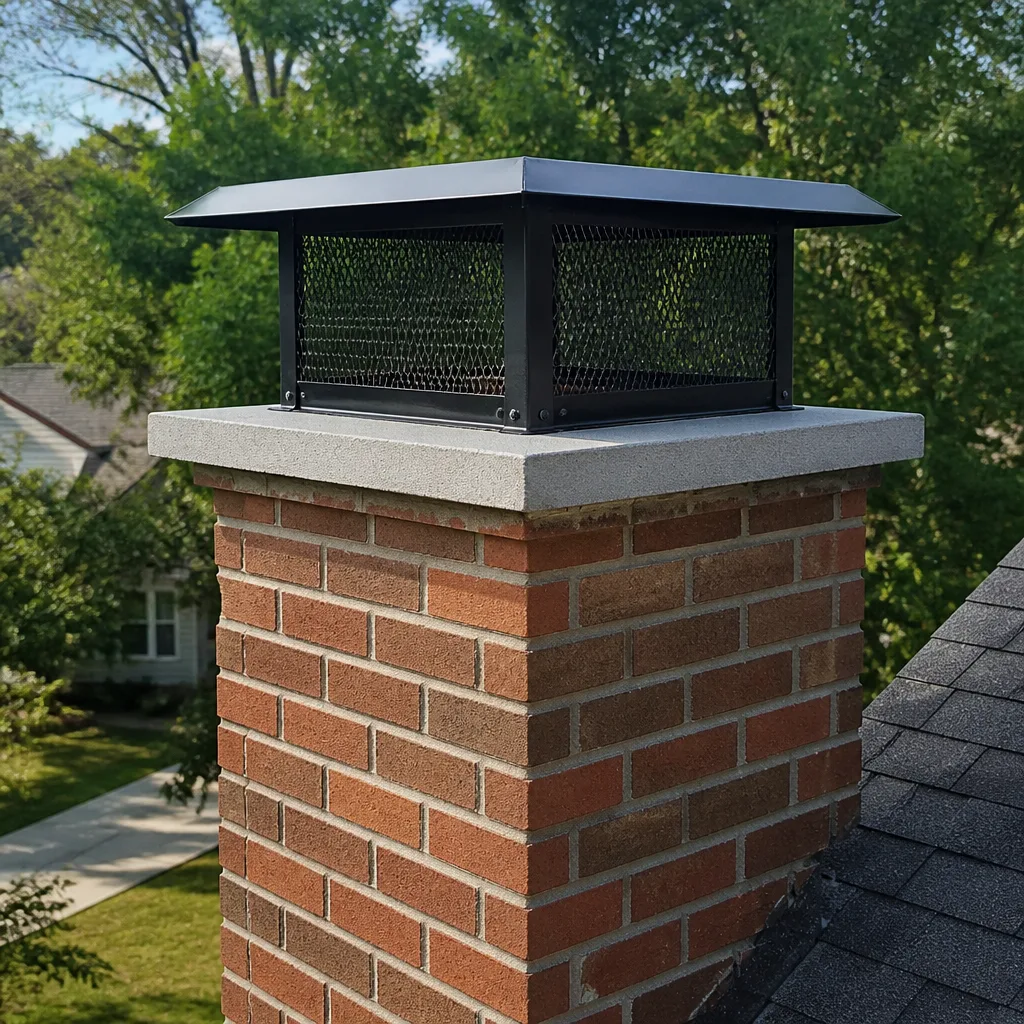 Caps & crowns
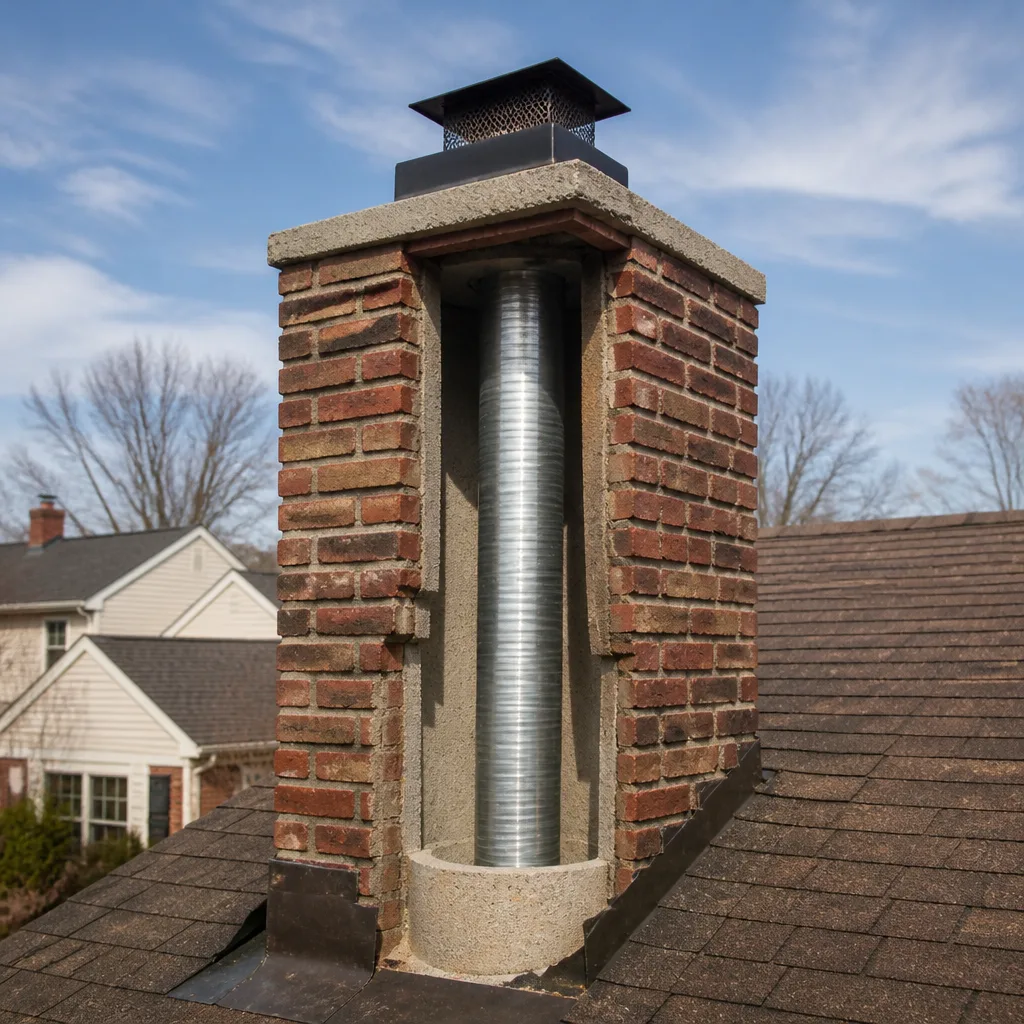 Flue relining
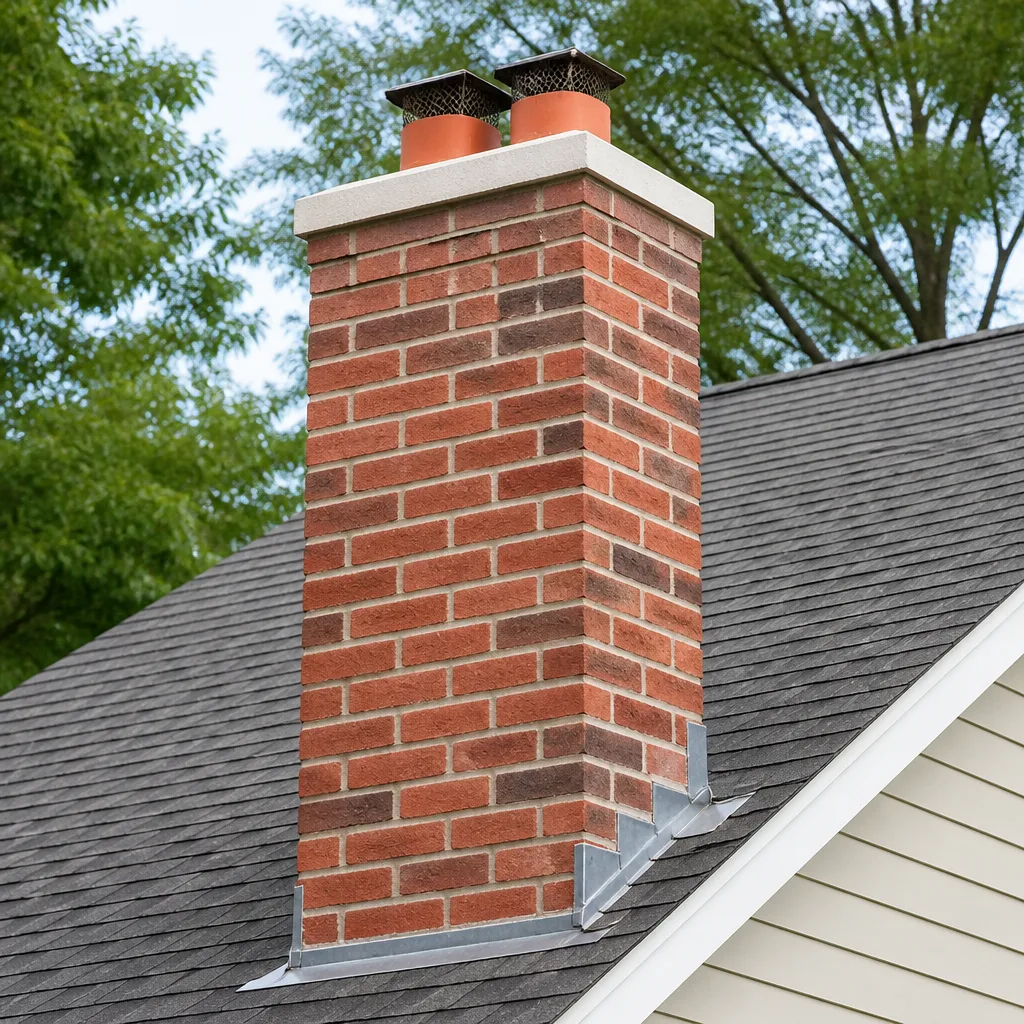 Masonry repair
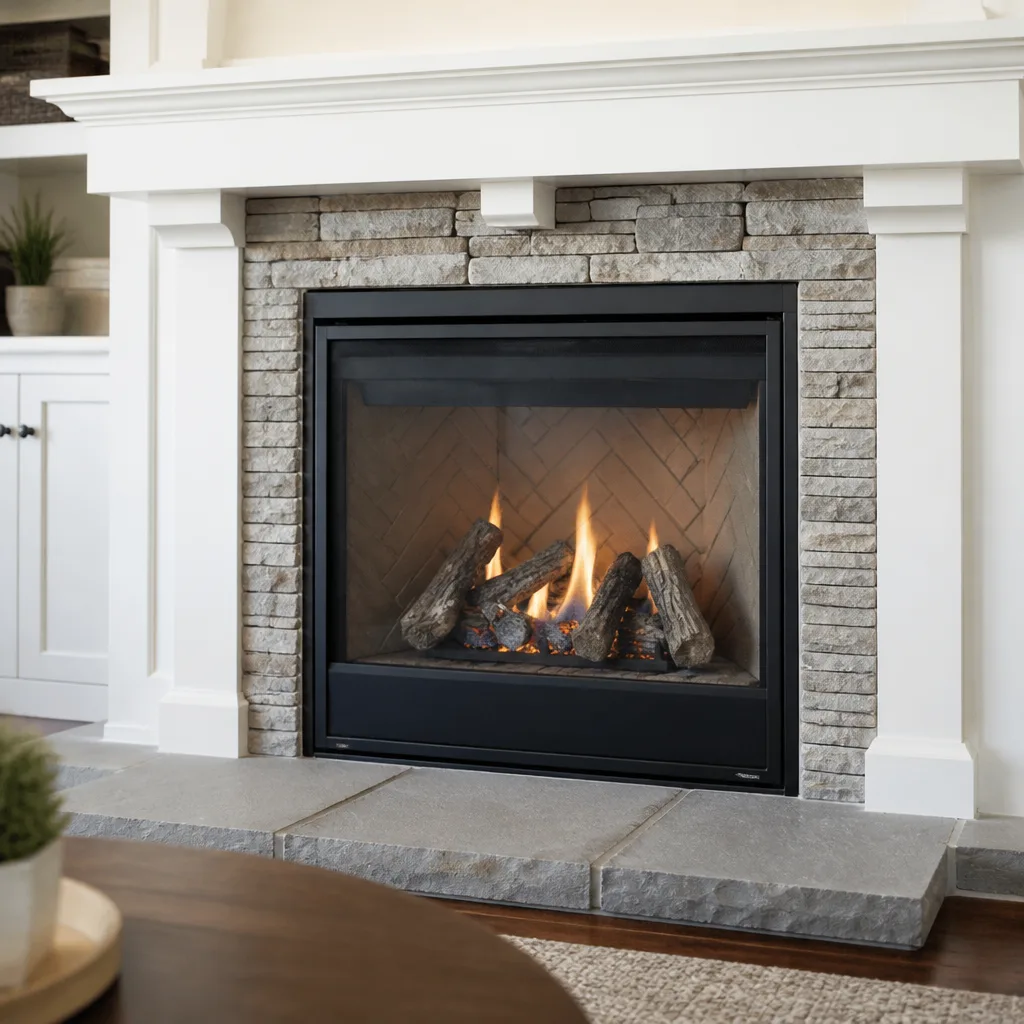 Gas fireplace service
Level 1 sweep and inspection to the NFPA 211 annual standard - flue, crown, cap, and flashing checked and photographed
Chimney sweep logs do not sweep chimneys. They loosen some creosote - which then falls where a brush and vacuum still have to collect it.
DIY vs Professional Chimney Cleaning: The Knoxville Homeowner’s Decision Guide
Most articles about cleaning your own chimney start with the same warning: don’t do it, you’ll burn your house down. That framing is lazy, and it’s not quite honest. A straight, single-flue, wood-burning fireplace with an accessible roof pitch and a thin, first-degree layer of creosote is a genuinely reasonable DIY cleaning candidate. Plenty of careful homeowners handle it every year and do fine work. But most chimneys around Knoxville are not that chimney. Hilly lots, tall masonry stacks, inset fireplaces with tight smoke chambers, wood inserts, and older flues that have already been patched once all change the math. This guide walks through what actually determines whether you can safely brush your own flue, what a brush can and cannot accomplish, and where the middle path sits.
Quick Answer
DIY chimney cleaning only makes sense on a simple, single-flue wood-burning fireplace with a low, safely accessible roof and light, first-degree creosote. For anything taller, steeper, lined with an insert, showing glazed creosote, or serving a gas appliance, a professional sweep is the right call – and it’s the only path that ends with a documented inspection you can hand to your insurer. The equipment cost of a proper DIY setup runs $200 to $400, which only pencils out if you’re cleaning the same flue year after year.
Styles & brands we work with
- Sweep & inspection
- Caps & crowns
- Flue relining
- Masonry repair
- Gas fireplace service
Table of Contents
- What DIY chimney brushing actually accomplishes
- The five system characteristics that decide DIY viability
- How Knoxville’s terrain and housing stock shape the decision
- The equipment cost reality for DIY chimney cleaning
- What a brush misses that a camera catches
- Liability and insurance: why documentation matters
- The middle path: what you can do between professional visits
- A step-by-step self-assessment before you decide
What DIY Chimney Brushing Actually Accomplishes
A brush on a rod removes loose soot and soft, flaky creosote from the flue walls. That’s it, and that’s real. On a firebox-and-flue system where the flue is relatively straight and the creosote is dry and powdery, brushing genuinely reduces the fuel load inside the chimney and lowers the risk of a flue fire. We’ve seen homeowners who brush their own flue every autumn and keep it in decent condition for years.
What brushing does not do is a longer list than most people realize, and it’s the reason the DIY decision has to be made system by system, not in the abstract.
- It doesn’t inspect. A brush can’t tell you whether the flue liner has a hairline crack, whether the mortar joints have hollowed out behind the tile, or whether the smoke chamber has a buildup of glazed creosote you can’t reach from the top.
- It doesn’t reach the smoke chamber. The sloped area above your damper is where creosote accumulates fastest, and a standard round flue brush doesn’t clean a corbelled chamber. Professionals use specialized chamber tooling for exactly this reason.
- It doesn’t test draft. Smoke spilling into the room, a fireplace that struggles to light, or a faint backdraft smell are draft problems, and no brush reveals what’s causing them.
- It doesn’t handle glazed creosote. Once creosote reaches the third stage – shiny, hardened, and glaze-like – brushing at home typically just polishes the surface. That material needs professional removal, and in some cases a ceramic resurfacing product like HeatShield applied to restore the liner interior.
- It doesn’t touch an insert or a gas appliance. Wood inserts and gas fireplaces have service ports, baffles, and internal components that require the appliance to be opened properly.
- It doesn’t document anything. There’s no record afterward that a cleaning happened, which matters far more than most homeowners think (see the insurance section below).
If you’re considering a professional chimney sweep, the difference isn’t speed so much as what happens after the brush comes out: a camera pass, a draft check, and a written observation of the flue’s condition.
The Five System Characteristics That Decide DIY Viability
There’s no single “right” answer here. Five specific characteristics of your chimney determine whether DIY is reasonable or reckless, and every one of them has to line up. If any one fails, the odds tilt toward calling a professional.
1. Flue type
A single wood-burning flue – one appliance, one chimney – is the only configuration that’s realistically DIY-viable. Multi-flue masonry chimneys, chimneys sharing a stack with a furnace or water heater flue, and any chimney serving a wood insert or gas fireplace are all off the table for a homeowner with a brush. The geometry, the combustion byproducts, and the appliance service ports are different in each case.
2. Liner material
A clay tile liner in good condition is straightforward to brush. A stainless liner – DuraFlex and similar systems are common in Knoxville homes that have been relined – has a ridged inner surface that catches creosote in a way that a straight brush can’t fully strip. An unlined or damaged flue isn’t a cleaning job at all; it’s a repair job, and brushing it can dislodge material. Professional-grade components like DuraFlex, Famco, and Olympia Chimney are what reputable installers work with for a reason – the liner holds up, and the installer knows how to clean it.
3. Creosote stage
Creosote builds in three stages, and only the first is brush-friendly. Stage one is dry, flaky, and comes off easily. Stage two is sticky and harder to remove. Stage three is glazed and hardened, and brushing it at home tends to be a wasted afternoon. A professional can tell you which stage you’re in by looking, and if the flue is glazed the fix is different from a sweep.
4. Roof pitch and safety
This is where a lot of DIY chimney plans quietly die. A walkable 4/12 pitch with a low chimney on a dry day is one thing. A steep roof, a wet morning, or a chimney that requires a ladder to reach the crown is another thing entirely. Falls from ladders are among the most common home-injury causes, and roof work intensifies that risk. If you’re not confident walking your own roof with tools and a vacuum hose, the DIY plan isn’t realistic regardless of how simple the flue is.
5. Chimney height
A chimney that tops out more than 10 to 12 feet above the roofline requires more rod sections than a typical homeowner has, and getting a brush all the way to the top of a tall flue from below is physically demanding. A short masonry chimney over a firebox is a different job than a 25-foot exterior stack on a two-story Knoxville home.
All five need to pass. If, say, the flue type is simple and the creosote stage is mild, but the roof is a steep 9/12 pitch and you’re not comfortable up there, DIY is off the table.
How Knoxville’s Terrain and Housing Stock Shape the Decision
Knoxville’s geography puts a thumb on this decision in ways that a general chimney article can’t capture. The city sits in a valley with steep ridges, and the housing stock that fills that valley – from older homes in neighborhoods like Sequoyah Hills and Fourth and Gill to newer construction out toward Farragut and Halls – reflects two extremes: historic masonry chimneys with more repair history than average, and modern builds with taller exterior stacks and stainless liners.
Three local factors tip the DIY-vs-professional call:
- Hillside lots and roof access. Plenty of Knoxville homes sit on grades that make getting a ladder safely to the eave a genuinely tricky operation. A 2-story colonial on flat ground is easier to reach than a 1.5-story home on a hill where the roof is effectively four stories up on the downhill side. If accessing your roof requires a longer ladder than you own, that alone can decide the question.
- Older masonry chimneys. The city has a deep inventory of pre-war and mid-century homes whose chimneys have had multiple repairs over the years. Flues that were relined decades ago with a clay liner that has since cracked are common. Brushing an undiagnosed cracked liner loosens debris into the space between the liner and the masonry, where it can build up and cause problems that show up years later. On a home like that, professional inspection should come before any cleaning.
- Seasonal weather and burning patterns. Knoxville’s winters are cold enough to burn wood regularly (often November through March) but damp enough that the chimney interior stays cooler than the firebox. That temperature gradient is a creosote factory. Homes here can accumulate creosote faster than in places with longer dry cold seasons, which means a professional sweep on an annual cadence is a stronger default here than a “clean it when you think about it” approach.
If you’re buying a home in Knoxville, an inspection before you close is worth every dollar. A pre-purchase chimney inspection often reveals liner problems, crown cracking, or a firebox that needs fireplace repair, and those are negotiating points nobody should discover six months after closing.
The Equipment Cost Reality for DIY Chimney Cleaning
People casually mention “just buy a brush and do it yourself” as if the brush is $25 at the hardware store. A proper DIY chimney cleaning setup is more expensive than a professional sweep in your first year, and barely cheaper than a sweep in later years. Here’s what an actual working kit runs.
- Fiberglass rods (at least 20 feet): $60 to $120. Cheap rods flex and jam.
- Flue brush (correct size for your flue): $30 to $70. Wrong-size brushes either miss creosote or scratch the liner.
- HEPA-rated shop vacuum: $100 to $200. Without HEPA, you’ll find soot on every surface in the room below.
- Drop cloths, plastic sheeting, and tape: $20 to $40.
- Respirator (N95 or better): $20 to $40.
- Safety glasses, gloves, and a headlamp: $30 to $50.
- Ladder tall enough to reach the roofline: $150 to $400 if you don’t already own one.
The “without the ladder” total lands somewhere between $260 and $520. Add a ladder and you’re looking at $400 to $900, though most homeowners already have a usable ladder. Compare that to what a professional chimney sweep costs, which is significantly less than the full DIY setup and includes the inspection and documentation you don’t get from brushing. The break-even only really happens if you clean the same flue yourself for three or four consecutive years, and even then you’re responsible for knowing whether each cleaning was thorough enough.
And here’s what most DIY write-ups don’t mention: for a lot of homeowners, the kit is essentially single-use. You clean once, discover that glazed creosote or a damaged liner means the job has to go to a professional anyway, and the gear sits in the garage from then on. That’s not a knock on the idea; it’s just the math.
What a Brush Misses That a Camera Catches
This is the section that changes the framing of the whole debate. DIY cleaning is fundamentally about removing what’s easy to reach with a tool. Professional cleaning is about knowing what’s actually inside your system, and that requires a camera.
When our technicians run a camera inspection, we’re looking at five things in a specific order:
- The flue liner’s interior surface. Cracked tile joints, gaps between tiles, and evidence of prior liner damage all show up on camera and don’t show up on a brush.
- Joints and seams. Mortar joints in a masonry flue can hollow out behind the visible face. Camera footage reveals this; a brush pass does not.
- The smoke chamber. The corbelled, sloped area above the damper is where creosote builds fastest, and a standard flue brush doesn’t clean this geometry. It’s a leading cause of chimney fires, and it’s often invisible from the top of the flue.
- The firebox and damper. Hairline cracks in firebox panels and grates, worn dampers, and firebrick deterioration all need to be caught before they become structural problems.
- Draft evidence. Soot patterns and flow marks on the flue walls tell the technician how the chimney has actually been drafting. Draft problems show up here even when nothing looks wrong from the fireplace.
What that inspection often finds is the sort of issue no homeowner can fix with a brush. A worn liner joint that needs HeatShield ceramic restoration (a specialty referral-free service many sweep-only companies can’t offer) is a good example. Glazed creosote in the smoke chamber is another. A cap or crown that’s come loose and let water in for years is a third. That last one is a big deal in Knoxville because water intrusion is the leading cause of structural chimney damage in this climate, and chimney cap & crown work is what stops it at the source.
An honest professional sweep spot will tell you when work can safely wait. If the system is intact and the creosote is light, there’s no reason to upsell liner or masonry work. The camera footage backs that up: you can see exactly what we see.
Liability and Insurance: Why Documentation Matters
Here’s an angle almost no DIY chimney article covers, and it matters for Knoxville homeowners specifically. If you have a chimney fire, your homeowner’s insurance company will look at two things: whether the chimney was maintained, and whether you can prove it. A documented professional cleaning and inspection produces a written record of the chimney’s condition on a specific date. A self-cleaned chimney produces no record at all, and proving that you brushed it six months ago is essentially impossible.
That doesn’t mean a fire claim gets denied automatically because you cleaned it yourself. It means the burden of proof flips. With documentation, you’re showing the adjuster a system that was inspected and found in working order. Without it, you’re relying on the adjuster’s judgment that the fire was accidental and not neglect. In a state where chimney fires account for a meaningful share of residential fire claims, that difference is not hypothetical.
The same logic applies to liability in a different direction. If your DIY cleaning damages a liner and the damage isn’t caught until a chimney fire or carbon monoxide incident happens, you have two problems: damaged property and no inspection record that shows the liner was ever fine. Professional inspection documentation is also required by many lenders and home warranties when a property changes hands, and it’s useful when you’re buying or selling a home in Knoxville.
If you want a written record you can actually show your insurer, an inspection is the part of a professional sweep that earns its keep. That’s why our visits include a camera pass and a written report as standard, not an upsell.
The Middle Path: What You Can Legitimately Do Between Professional Visits
You’re not locked into either all-DIY or all-professional. The middle path – a professional annual visit, with careful maintenance in between – is what we’d recommend to most Knoxville homeowners, and it’s what keeps a system in working order for years.
Between professional sweeps, here’s what you can and should do:
- Burn dry, seasoned wood. This is the single biggest lever. Splitting and stacking wood a year ahead and keeping it covered drops the moisture content and cuts creosote accumulation substantially.
- Watch for draft signs. Smoke spilling into the room, a fire that’s hard to start, or a persistent smoky smell when the fireplace isn’t in use are all signs the system needs professional attention. Note them down and mention them at your next visit.
- Keep the firebox clean. Ash builds up quickly. Remove excess ash once it reaches a couple of inches, and sweep out the firebox floor between burns.
- Inspect the interior visually. With a strong flashlight, look up the flue from the firebox between visits. You’re not cleaning anything – you’re noticing changes, and if you see peeling glaze or new cracks, that’s a call, not a chore.
- Check the cap and crown annually. Look for rusted or missing mesh on the cap, cracked mortar on the crown, or visible water staining on the masonry. These are the leading signs of water intrusion and the reason professional chimney cap and crown service exists.
- Schedule the annual sweep before the burning season. In Knoxville, that means before the first cold snap pulls you into the fireplace. Waiting until you’re already burning is the start of every busy season, so booking early pays off.
That’s maintenance. It doesn’t replace an annual inspection. But it does mean that when a professional does come out, the system is in better shape and the visit is more productive.
A Step-by-Step Self-Assessment Before You Decide
Work through these in order. If you get to a “no” anywhere, that’s your answer. If you pass all seven, DIY is a reasonable option on your chimney.
- Is your firebox connected to a single wood-burning flue? If your fireplace shares a chimney with a furnace, water heater, or gas appliance, stop. Professional only.
- Is the appliance a standard open fireplace? Wood inserts, gas fireplaces, and pellet stoves all require opening the appliance to service properly. Professional visit.
- Is the creosote visible from the top of the flue dry and flaky? If it’s sticky or glazed, it’s beyond what brushing at home can remove.
- Can you safely reach the top of the chimney? If the roofline requires a ladder you don’t own, or your roof pitch makes walking to the chimney unsafe in your judgment, professional only.
- Is the flue straight and simple? Any offset, elbow, or unusual geometry makes brushing harder and the brush less effective at the corners.
- Do you already own a tall enough ladder and a HEPA vacuum? If you’d need to buy both, the cost math goes sideways fast.
- Have you had a professional inspection within the last year that confirmed the liner is in good condition? If the liner hasn’t been checked on camera, DIY cleaning is happening blind.
Pass all seven, and the annual DIY brush is a genuinely sensible move. Miss one, and the honest answer is that your system is a professional-sweep case.
Common Mistakes to Avoid
- Buying the cheapest brush you can find. A hard-bristle brush with the wrong diameter can scratch a stainless liner or scrub a clay tile without reaching the creosote. Match the brush to the flue diameter and material, and if you don’t know what your liner is, don’t buy a brush yet.
- Skipping the drop cloth and HEPA vacuum. Chimney soot is finer than household dust and migrates. Without proper containment, you’ll find it in every room of the house for weeks, and the cleanup cost dwarfs any savings.
- Brushing without a camera check first. If the liner has a crack, brushing it can push debris into the gap between liner and masonry. Knoxville’s older masonry chimneys often have liner damage that isn’t visible from the firebox. Camera first, or don’t brush.
- Climbing an icy or wet roof. Ladder and roof falls are serious injury risks in their own right. If conditions aren’t dry and clear, don’t go up. Weather is a reason to reschedule, not a test of willpower.
- Assuming “clean” means “inspected.” A flue can be spotless and still have a hidden draft problem, a cracked smoke chamber, or a worn damper. Cleaning and inspection are different tasks, and only one of them tells you whether your system is safe.
- Doing it yourself and stopping there for years. A DIY brush is not an annual inspection substitute. Even homeowners who brush every year should have a professional inspection periodically – at minimum every couple of years, and always before selling.
- Ignoring cap and crown condition while you’re focused on the flue. The top of the chimney is where water gets in, and water is what does long-term structural damage to Knoxville chimneys. A loose cap or a cracked crown deserves attention, not deferral.
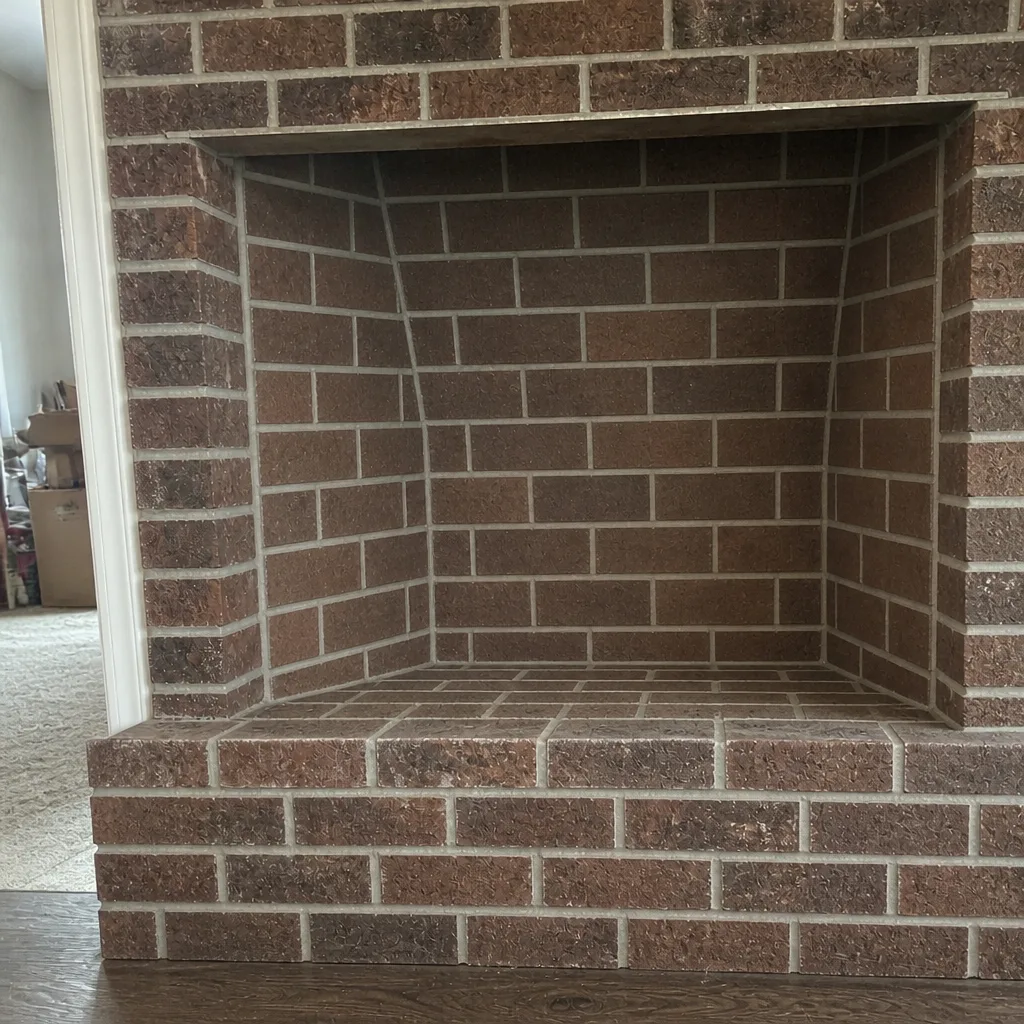
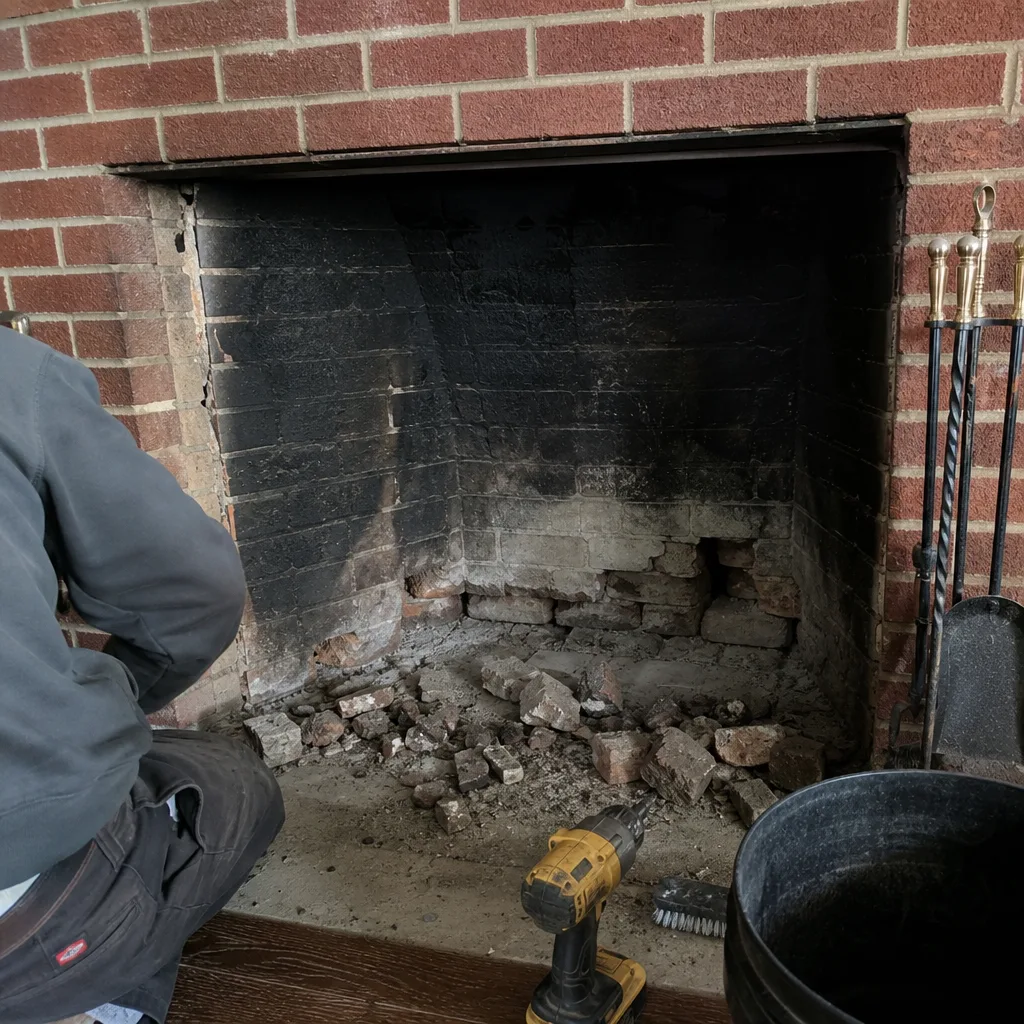
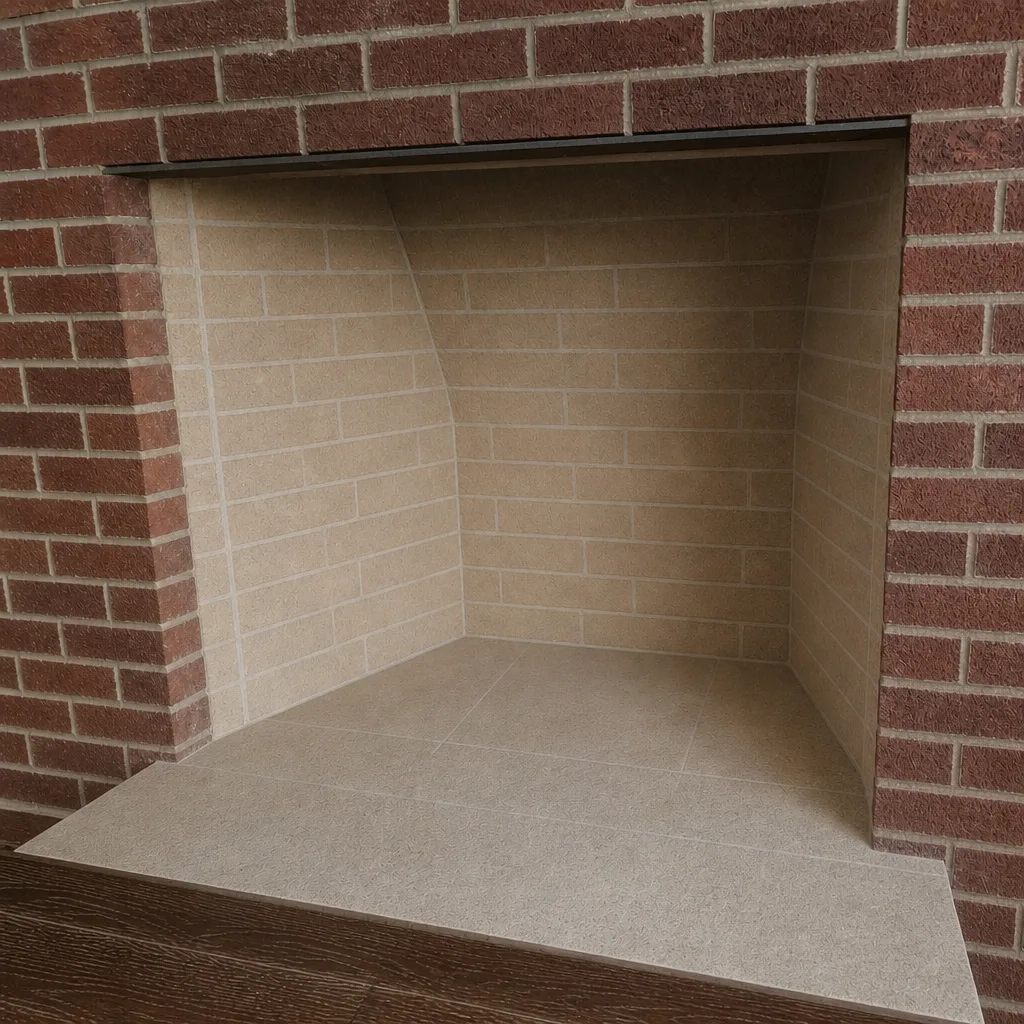
See the difference
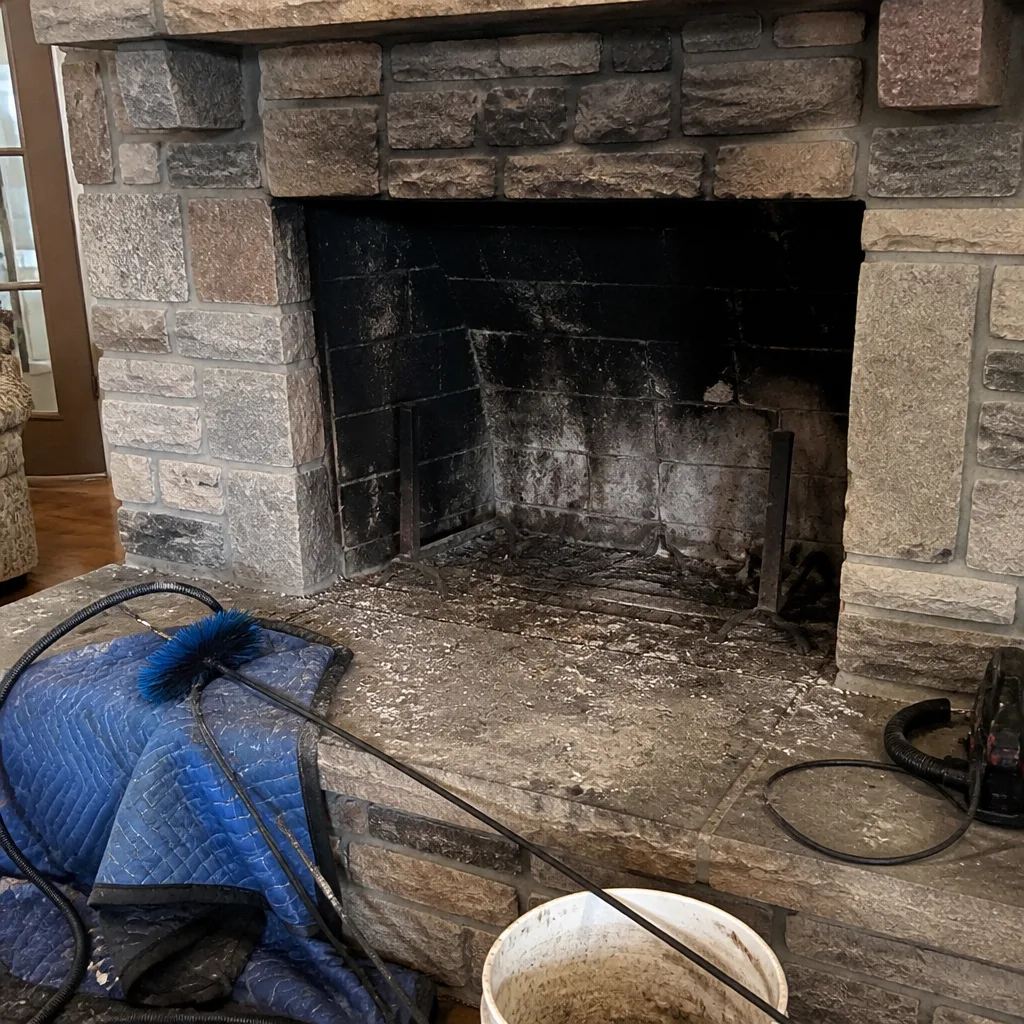 Before
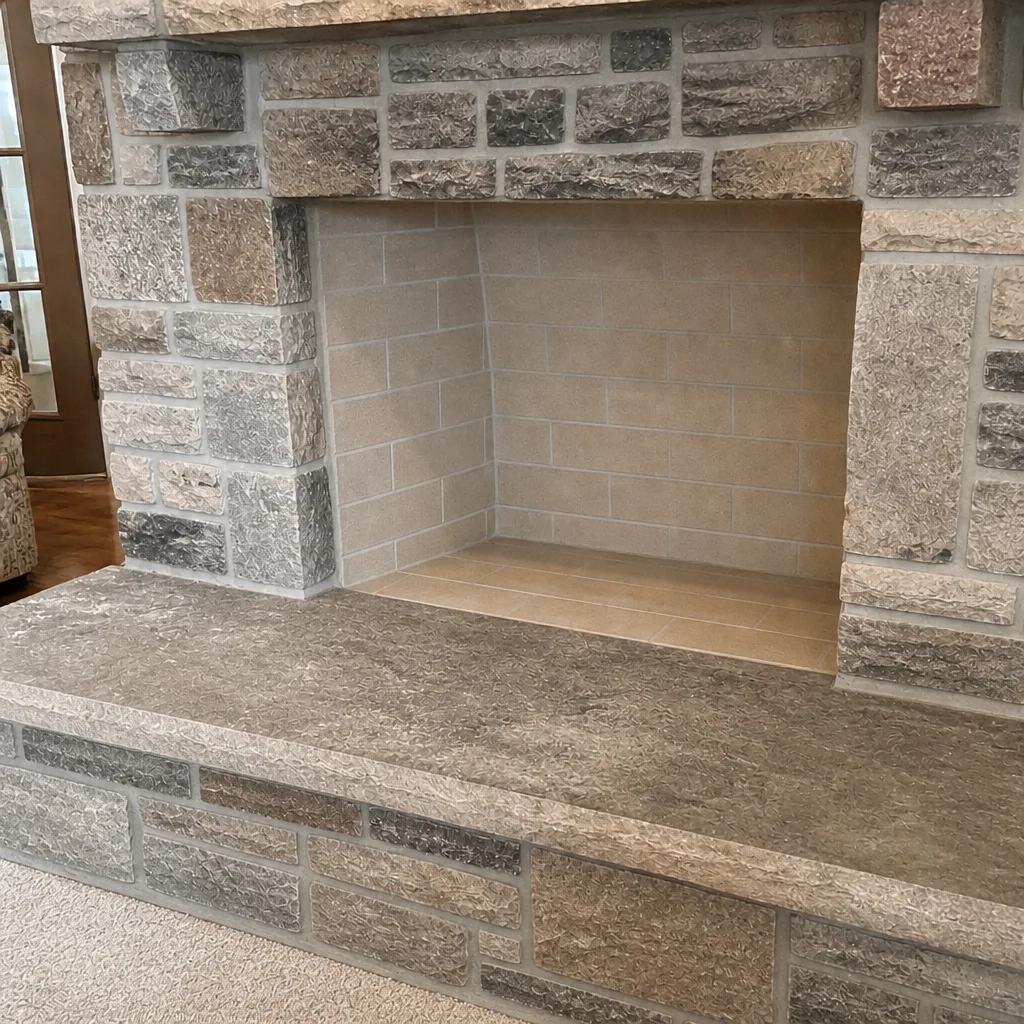 After
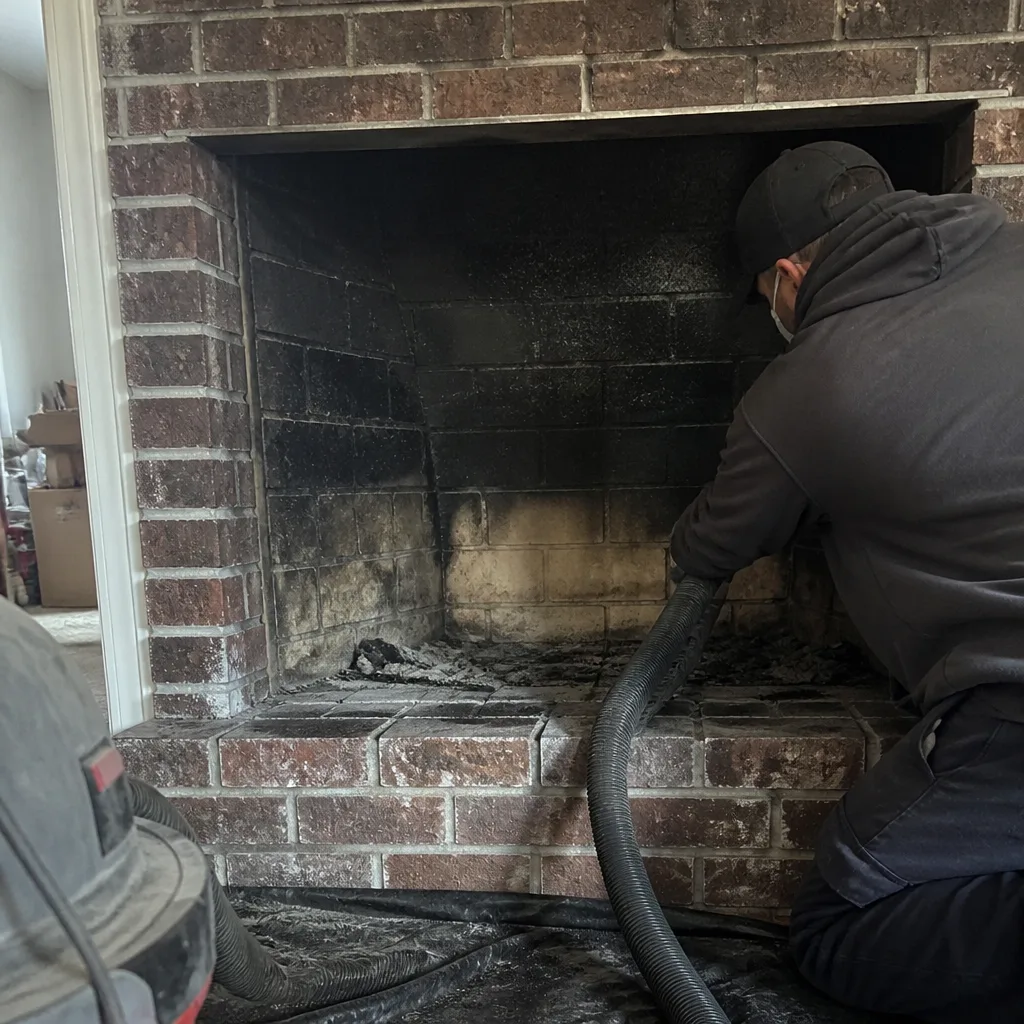 Before
 After
 Before
 After
When to Call a Professional
Call a professional for anything outside the narrow DIY-viable case: glazed or sticky creosote of any thickness, chimneys that serve gas appliances, any home with an insert or a pellet stove, a multi-flue masonry stack, a chimney that requires a ladder over 20 feet, or a system you’ve never had inspected on camera. Call us if you’ve been told by another sweep that your liner “probably needs replacing” and you have no footage to verify it – we’ll show you the camera evidence and tell you plainly when work can safely wait. Call us again if you’re buying a Knoxville home and need a pre-purchase inspection before closing. Knoxville Chimney Sweep Pros offers free estimates in Knoxville – call (855) 726-7247. We answer 24/7. Fast dispatch from 7am to 7pm, Sunday through Friday.
Frequently Asked Questions
A standard chimney sweep in Knoxville typically runs in the same general range as professional sweep services across the region, and the exact price depends on the chimney’s configuration – single flue versus multi-flue, wood-burning versus insert, and whether inspection is included. The written estimate you get before booking sets the final price, so there’s no surprise on arrival. The estimate is free, and there’s no service-call fee. Call (855) 726-7247 for an exact quote.
You can safely clean your own chimney only if it’s a single, straight, wood-burning flue with dry, first-degree creosote, a walkable roof pitch, and a liner you’ve had inspected by a professional within the last year. That combination is less common than the internet implies, especially in Knoxville’s older masonry homes and on hillside lots with tricky roof access. If any of those characteristics doesn’t apply to your system, professional cleaning is the safer path.
Chimneys used regularly through the burning season should be swept annually. In Knoxville, with wood burned on-and-off from late fall through early spring, annual sweeps match the actual creosote accumulation rate. If you burn a lot of wood or your wood is on the greener side, more frequent cleaning is worth discussing with a technician. If you burn occasionally, annual inspection plus cleaning as needed is usually sufficient. Call (855) 726-7247 to book or to talk through what cadence fits your fireplace.
Not necessarily – and this is where a documented camera inspection earns its keep. Liner replacement is one option when a liner is damaged, but liner resurfacing with a professional ceramic system like HeatShield is a legitimate alternative in many cases and preserves the existing clay tile structure. We refuse to recommend liner work without showing you the camera footage first. If the liner is intact, work can wait. If it isn’t, you’ll see exactly why.
Creosote accumulates with every fire, and when it reaches the glazed stage it becomes a real fuel risk for a chimney fire. Carbon monoxide drafting back into the home is the associated concern, especially with gas appliances where there’s no creosote to give you a visual warning sign. Skipping annual sweeps in a Knoxville home that burns regularly means you lose the early detection that catches liner cracks, smoke chamber buildup, and cap damage before they become structural repair bills. Call (855) 726-7247. We answer 24/7. Fast dispatch from 7am to 7pm, Sunday through Friday.
The cap, the crown, the firebox, and the flue walls – and you’re looking, not cleaning. Between professional visits, look annually for rusted or missing cap mesh, cracked mortar on the crown, water staining on the exterior masonry, and visible changes inside the flue. If you see any of those, that’s a call, not a chore. A cap replacement or a crown repair is far cheaper than the structural damage that follows a slow water leak in Knoxville’s damp winters. For more on those repairs, see our chimney cap & crown page.
Yes, in the sense that it affects what you can prove after a fire claim. A documented professional cleaning and inspection produces a written record of the chimney’s condition on a date you can point to. A self-cleaned chimney produces no record at all. That doesn’t automatically void a claim, but it shifts the burden of proof onto you and it removes the paper trail an adjuster wants to see. If you’re going to bet on your own maintenance, at least get an inspection on record once a year.
The Bottom Line
DIY chimney cleaning is not the reckless move the industry often makes it out to be – but it’s also not a universal option. A straight, wood-burning flue on a safely accessible roof with light creosote and a recently inspected liner is a legitimate DIY candidate. Most Knoxville chimneys don’t clear all five of those hurdles, and the ones that don’t need a professional pass with a camera and a written report, not a brush. Budget for the professional sweep as the default, do the between-visit maintenance yourself, and treat every recommendation for liner or masonry work skeptically until you’ve seen the camera footage. That’s the honest version of the decision. Our technicians have up to 14 years of experience; we’re happy to walk through yours.
Book a Free Estimate
If you’ve worked through this guide and the answer still isn’t obvious, the fastest way to settle it is a professional look. Knoxville Chimney Sweep Pros handles the full lifecycle – inspection, sweep, fireplace repair, cap and crown work, and structural chimney repair – with trade-grade materials including DuraFlex liners, HeatShield ceramic restoration, and Gelco and Olympia Chimney components. From first inspection to final repair, one call handles it. Estimates are free and the price is set per job by the written estimate. Call (855) 726-7247. We answer 24/7. Fast dispatch from 7am to 7pm, Sunday through Friday.
Written by the team at Knoxville Chimney Sweep Pros.