
Last updated November 25, 2026
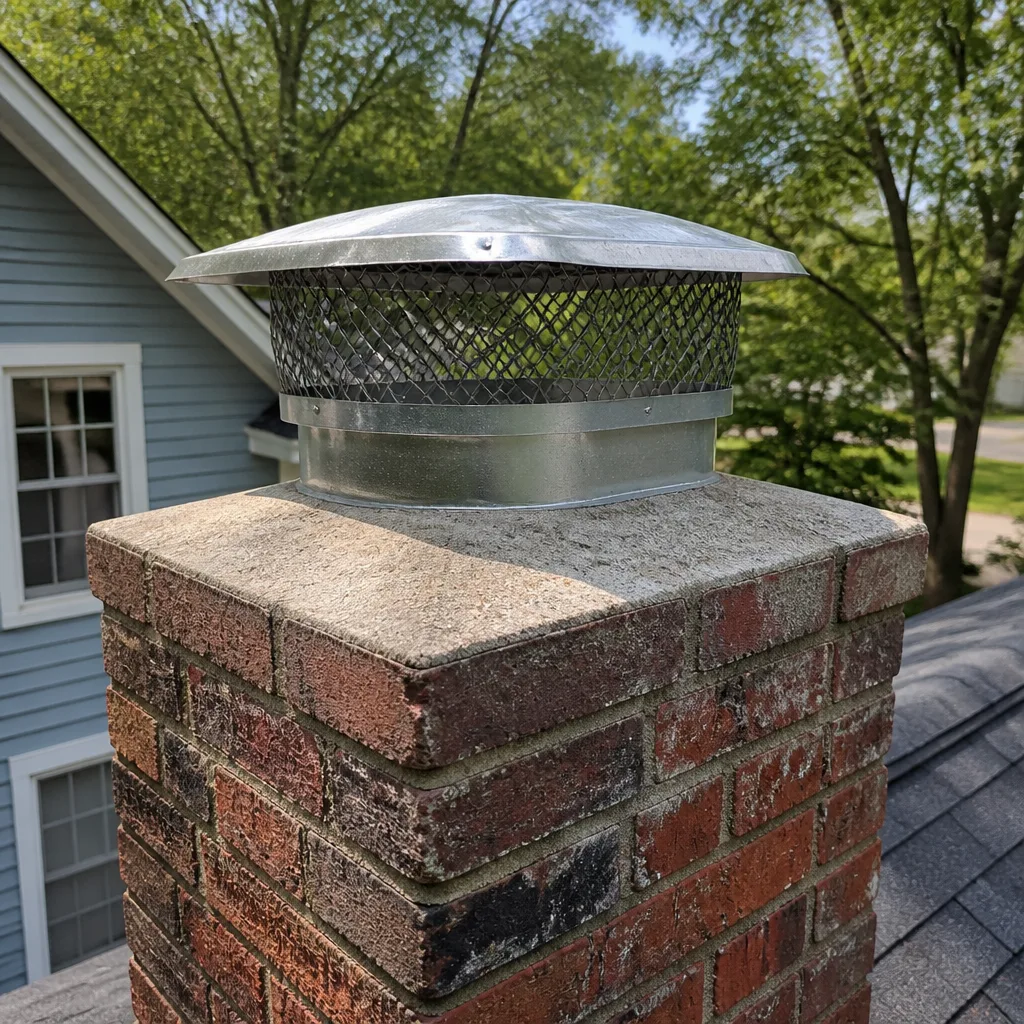 Sweep & inspection
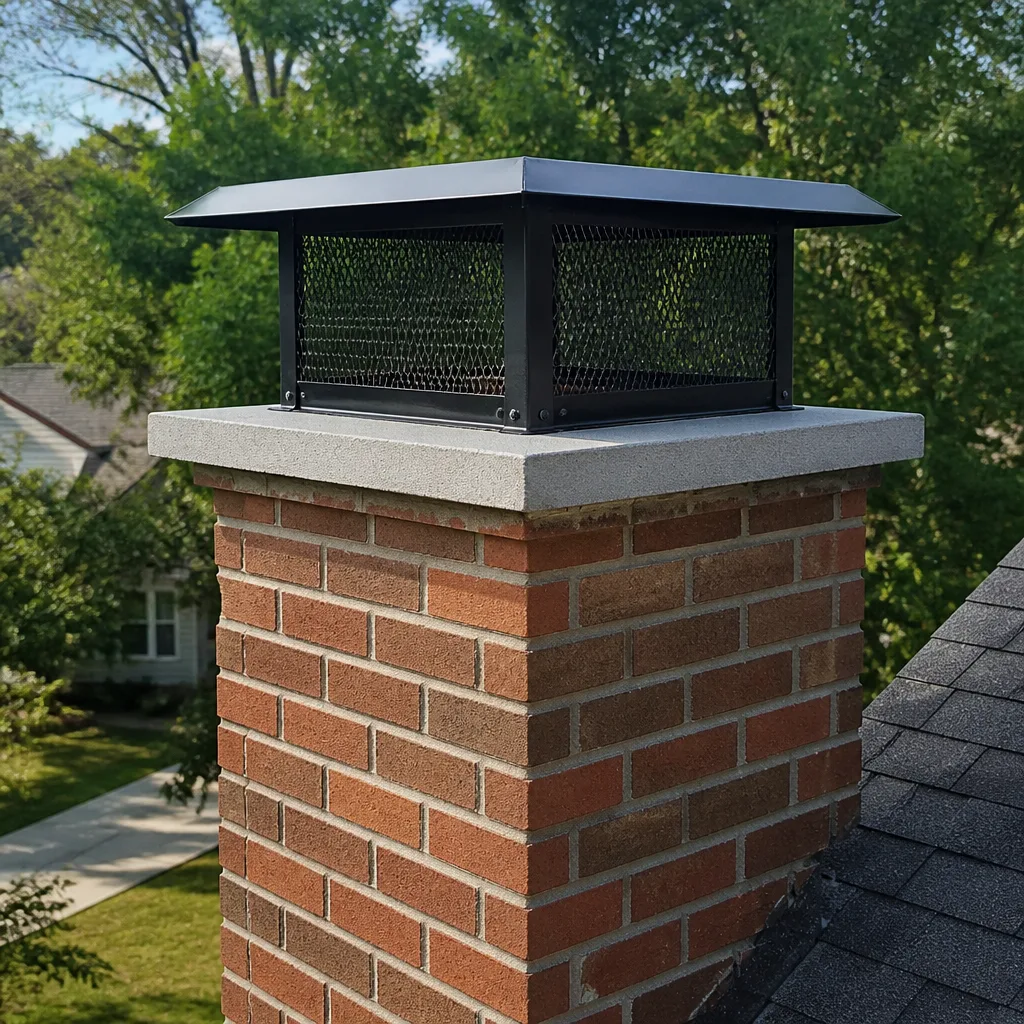 Caps & crowns
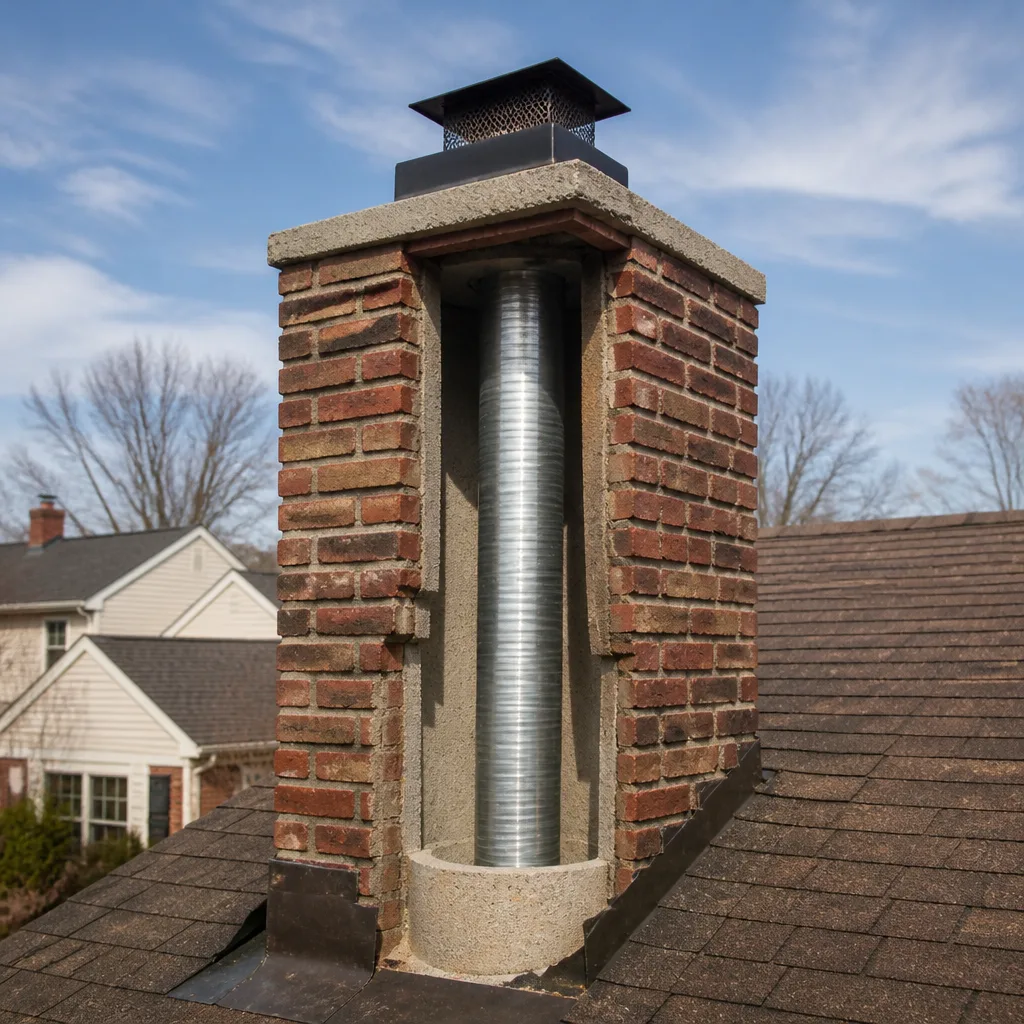 Flue relining
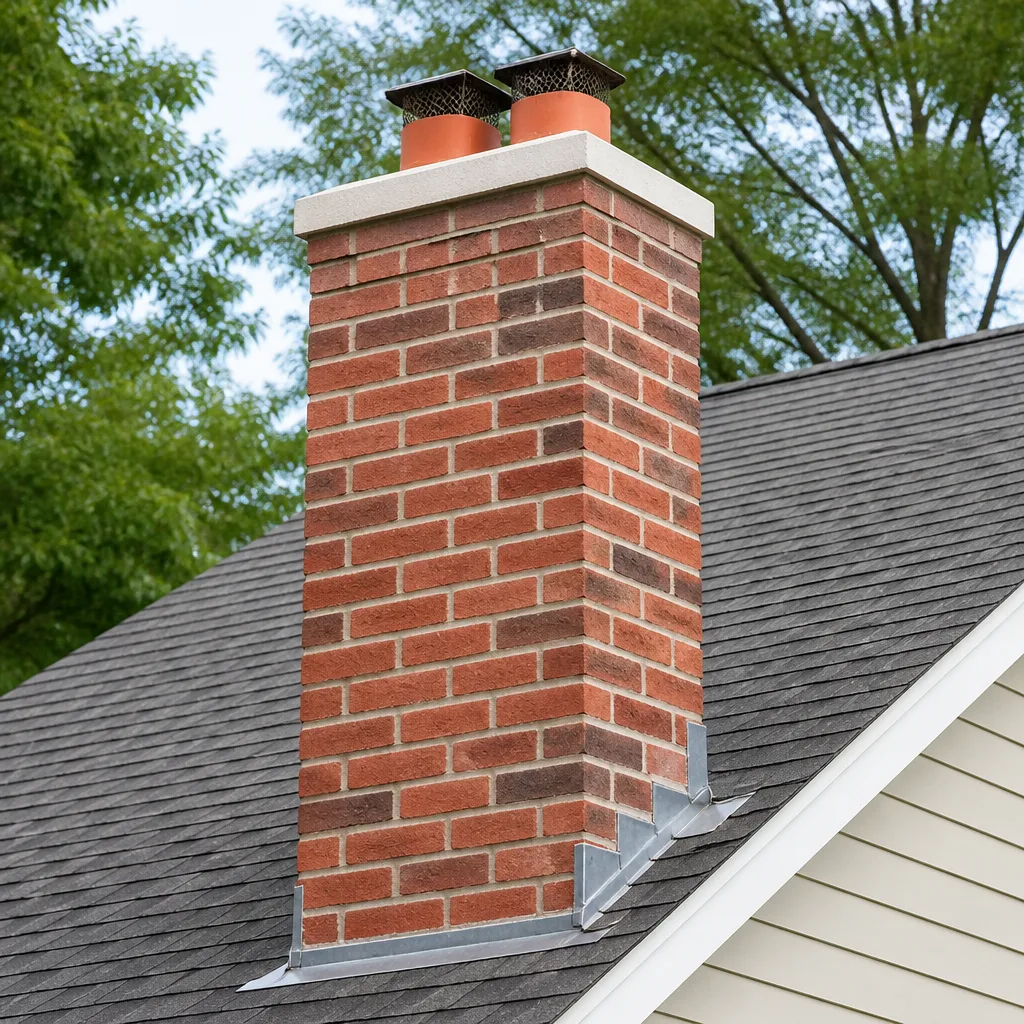 Masonry repair
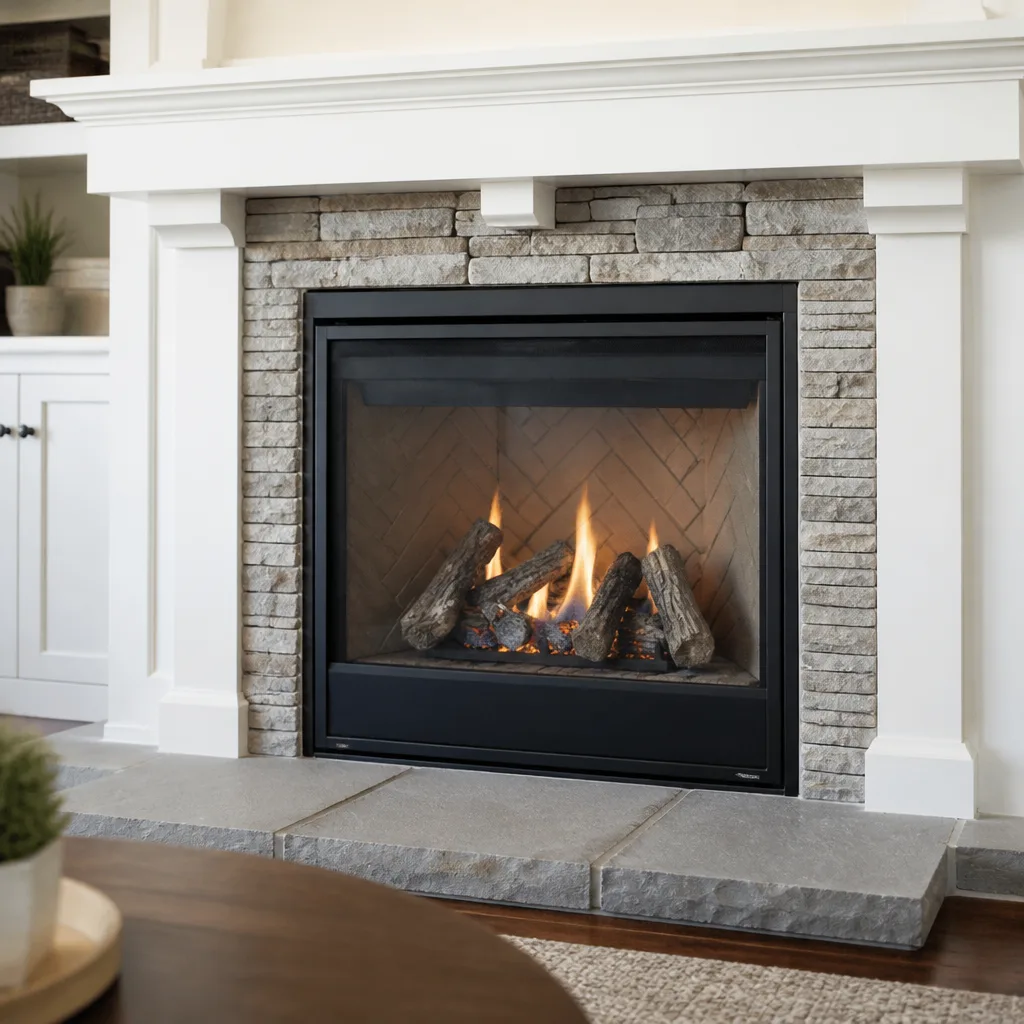 Gas fireplace service
Level 1 sweep and inspection to the NFPA 211 annual standard - flue, crown, cap, and flashing checked and photographed
Chimney sweep logs do not sweep chimneys. They loosen some creosote - which then falls where a brush and vacuum still have to collect it.
Chimney Cleaning Cost Breakdown: The Knoxville Homeowner’s Reference for 2026
The $79 chimney cleaning special you’ve seen advertised around Knoxville covers roughly 40 minutes of brushing and zero inspection. That’s not a scam, exactly. It’s a cleaning-only service, and it’s priced to match what it delivers. The trouble starts when homeowners assume that rate covers the whole visit, then get surprised by a mid-job upsell, or worse, assume a cheap sweep means their system was actually examined. It wasn’t. In this guide we break down what each tier of chimney service really costs in Knoxville in 2026, what drives the price up or down on your particular chimney, and how to read an estimate line by line so nothing gets added halfway through the job.
Quick Answer
A basic chimney sweep in Knoxville typically costs $150 to $250, and a sweep bundled with a Level 1 inspection usually runs $200 to $350. Add a Level 2 camera inspection and you’re closer to $300 to $500, while add-on repairs like caps, crowns, or liner work start around $300 and climb into the thousands for full relining. The written estimate sets your final price, and the gap between the cheapest advertised sweep and a full-service visit is almost always the difference between brushing a flue and actually examining the system.
Styles & brands we work with
- Sweep & inspection
- Caps & crowns
- Flue relining
- Masonry repair
- Gas fireplace service
Table of Contents
- What are the actual service tiers and what does each cost?
- What drives chimney cleaning prices up in Knoxville?
- How do you read a chimney estimate line by line?
- Annual cleaning versus deferred repair: what’s the real cost difference?
- When are additional charges legitimate?
- What do the three levels of inspection actually involve?
- What should new Knoxville homeowners budget for?
- Why camera evidence matters before any repair is recommended
What are the actual service tiers and what does each cost?
Most of the confusion around chimney cleaning cost in Knoxville comes from the word “sweep” being used to describe three different jobs. They aren’t interchangeable, and they aren’t priced the same. Here’s how the tiers break down for the 2026 market.
- Basic sweep (cleaning only): typically $150 to $250. The technician brushes the flue, removes creosote and debris, and cleans the firebox. No inspection of the flue interior, no evaluation of the cap, crown, or damper. This is what a low advertised rate usually covers.
- Sweep with Level 1 inspection: typically $200 to $350. Same cleaning, plus a visual examination of accessible portions of the chimney, firebox, and connector. This is the standard annual service for a chimney in known good condition.
- Sweep with Level 2 camera inspection: typically $300 to $500. Adds a video scan of the flue interior, which is how you actually see cracked clay tiles, gaps in liner joints, or heavy glaze buildup that a visual check can’t reach. This is the tier you want before a home purchase, after a chimney fire, or any time the chimney has changed how it drafts.
- Add-on repairs: chimney cap installation, crown repair, damper work, and masonry pointing usually start around $300 and go up depending on scope.
- Liner work: relining or liner restoration is a separate project, typically in the low thousands, and always follows a camera inspection and a written scope.
In our experience, the single most common mistake Knoxville homeowners make is booking the basic tier when their situation calls for the inspection bundle. If your chimney hasn’t been looked at in a few years, or you’ve just bought the house, the $150 sweep leaves you with a clean flue and no information. The middle tier is where you actually learn something about your system.
What drives chimney cleaning prices up in Knoxville?
Two chimneys of the same height can come in at different prices, and it’s rarely arbitrary. When we quote a chimney sweep in Knoxville, four things move the number most.
- Flue height and roof pitch. A single-story ranch with a shallow roof is faster and safer to access than a tall two-story with a steep pitch. The taller and steeper the chimney, the more setup and safety work goes into the visit, and that shows up in the price.
- Chimney accessibility on hilly lots. Knoxville’s terrain is a real factor. Homes on sloped lots in areas like Sequoyah Hills or the ridgelines above Fountain City often have chimneys set on the downhill side, sometimes with landscaping, decks, or rooflines in the way. Getting safe access takes time, and time is what you’re paying for.
- Liner type: clay tile versus stainless. A clay tile flue that’s intact sweeps cleanly and predictably. A stainless liner, especially an insulated one, needs a properly sized brush and a gentler hand so the liner isn’t damaged. If the liner is already compromised, the sweep can’t proceed safely until that’s addressed, which changes the scope of the visit.
- System age and condition. An older chimney with heavy creosote, a failing crown, or a missing cap takes longer to clean and inspect. Heavy glaze – the shiny, hardened creosote that forms when a chimney runs cool and smoky – can take significantly more time to remove than ordinary soot.
Knoxville’s humid summers and wet winters also matter. Water intrusion through a failed crown or a missing cap is one of the leading causes of chimney deterioration in this climate, and a chimney that’s been taking on water for years is a bigger job than one that’s been kept dry. We carry the fix, not just the diagnosis, which means a visit that turns up a failed cap can be scoped and addressed rather than referred out.
How do you read a chimney estimate line by line?
A chimney estimate tells you what’s included, and more importantly, what isn’t. Learning to read one is the best defense against surprises.
What a complete estimate should show
- The service tier, stated explicitly. “Chimney sweep” alone is ambiguous. It should say whether a Level 1 or Level 2 inspection is included.
- What gets cleaned. Flue, firebox, smoke chamber, damper area. If a line item is vague, ask.
- What gets inspected. Accessible interior, exterior, cap, crown, flashing. If the crown or cap isn’t mentioned, it probably isn’t being checked.
- Any add-on repairs, priced separately. A good estimate separates the cleaning from the repair work so you can see exactly what you’re paying for each.
- The written scope for anything structural. Liner work, crown replacement, and masonry repairs should have a specific scope, not a range.
Red flags in an estimate
- A single lump-sum number with no breakdown of services.
- Repair recommendations with no photo or camera evidence attached.
- Language like “may need additional work once we’re inside” with no defined scope.
- Pressure to approve repair work before the inspection is even finished.
The cleanest approach: get the estimate in writing before booking, confirm the tier and the scope, and ask directly whether anything found during the visit would be a separate charge. A technician who can answer that clearly is a technician worth hiring.
Annual cleaning versus deferred repair: what’s the real cost difference?
Here’s the math that matters most, and it isn’t complicated. Routine annual cleaning in Knoxville runs a few hundred dollars. Deferred maintenance runs into the thousands. The gap between those two numbers is the entire case for keeping up with the schedule.
| Scenario | Typical cost range | What’s typically involved |
|---|---|---|
| Annual sweep with Level 1 inspection | $200 to $350 | Cleaning plus visual check, catches small issues early |
| Crown repair (caught early) | Low hundreds to low thousands | Resealing or rebuilding a cracked crown before water gets in |
| Full crown replacement after water damage | Higher four figures | Removal, rebuild, and masonry repair around the crown |
| Liner replacement after prolonged creosote exposure or a flue fire | Low to mid thousands | New liner system, often with insulation and new connection |
| Structural masonry repair | Varies widely by scope | Repointing, rebuilding, and correcting water intrusion at the source |
In Knox County, the pattern is consistent: a chimney that gets swept every year stays in the routine-maintenance range, and a chimney that gets ignored for a decade shows up with a failed crown, water-stained masonry, and a liner that needs work. The annual visit is what keeps the second column from becoming your column. It’s also why we frame it as keeping your chimney a system rather than a chore – a cap that’s doing its job and a crown that’s sealed are what prevent the expensive repairs in the first place.
When are additional charges legitimate?
Not every mid-job add-on is padding. Some are the real cost of the work in front of the technician. The distinction is whether the charge reflects additional time, materials, or scope that couldn’t reasonably be known before the visit.
- Animal or bird removal – legitimate. Nests, birds, and other debris in a flue are common in Knoxville, and removal takes time and sometimes equipment. This can’t always be seen from the ground.
- Heavy glaze treatment – legitimate. Hard, glazed creosote takes substantially more time and specialized treatment than ordinary soot. A camera inspection reveals it before cleaning begins, so a good estimate should flag it in advance.
- Structural assessment – legitimate. If the sweep reveals masonry that’s separated or flashing that’s failing, a proper assessment is a separate scope and should be priced as one.
- Cap and crown work – legitimate when it’s evidence-based. A missing or rusted cap and a cracked crown are real problems. The charge is legitimate when it’s backed by a photo you can see.
- “You need a full reline” with no camera – not legitimate. This is the upsell to watch for. A liner recommendation without video evidence of the problem is a guess, and you should treat it as one.
We use HeatShield ceramic liner restoration for flues that don’t need a full reline – a professional resurfacing approach that restores the liner from the inside and is an alternative many sweep-only companies simply can’t offer. That matters for cost: the right repair is often less expensive than the biggest one, and the camera is what tells you which is which. Call (855) 726-7247 for a free estimate.
What do the three levels of inspection actually involve?
The inspection tiers are the backbone of chimney pricing, and understanding them explains why the same chimney can be quoted three ways.
- Level 1 inspection: a visual check of all accessible portions of the chimney, the firebox, the damper, and the connector. It’s appropriate when the chimney is in known good condition and you’re keeping up with annual maintenance. It’s the inspection bundled with a standard sweep.
- Level 2 inspection: adds a camera scan of the flue interior and a closer look at accessible attic and crawl space areas where the chimney passes through. It’s required before a home sale, after a chimney fire, after an earthquake, or when the system has changed its performance. It’s how you actually see a cracked tile or a separated liner joint.
- Level 3 inspection: involves opening walls or structural components to access concealed areas of the chimney when the previous levels find a problem that needs it. This is a structural scope, priced accordingly, and it’s a real cost of diagnosing serious damage.
When we recommend an inspection level in Knoxville, the recommendation is based on what the chimney is telling us, not a menu. If you’ve just moved in or your chimney hasn’t been looked at in years, Level 2 with a camera is usually the honest starting point. If you’ve been on an annual schedule and nothing has changed, Level 1 is often enough. Nothing gets recommended without camera evidence you can see for yourself – and if the chimney is safe to leave until next season, we’ll say so.
What should new Knoxville homeowners budget for?
A new-home inspection is where a chimney budget earns its keep. Knoxville has a lot of older housing stock, and a chimney that looked fine on the listing photos can have a liner that’s been failing for years.
- Get a Level 2 inspection before closing if the house has a wood-burning fireplace. A camera scan is the only way to see the liner condition, and it’s the difference between a known cost and an unknown one.
- Budget the sweep and inspection together. Expect the $300 to $500 range for a sweep plus Level 2. It’s cheap information compared to a liner replacement.
- Ask for photo documentation. A good report includes images of the crown, cap, flashing, and flue interior. Keep the report – it’s your baseline for the next visit.
- Check for a cap. If the chimney has no cap, that’s a straightforward fix, and it’s one of the leading causes of water intrusion and structural damage. A chimney cap & crown installation is one of the most cost-effective protections you can add.
- Don’t skip the gas fireplace. Gas appliances vent too, and the venting needs the same attention. We work with Gelco and Olympia Chimney venting components for those systems.
For a new homeowner, the single highest-return move is a Level 2 inspection before the first burn season. It converts uncertainty into a written scope, and it lets you plan for repairs on your timeline instead of on the chimney’s.
Why camera evidence matters before any repair is recommended
The reason this guide exists is that chimney repair is one of the few home services where a homeowner has almost no way to verify a recommendation from the ground. You can’t see the inside of your flue. That’s exactly what makes the camera the most important tool in the truck.
Our approach is simple: nothing gets recommended without camera evidence you can look at. When a technician shows you the cracked tile or the gap in the liner joint on a screen, the recommendation stops being a stranger’s opinion and becomes something you can evaluate. That’s the opposite of the sweep-only model, where the cleaning happens and the diagnosis never does.
When repair is needed, we carry the fix rather than handing you off. That’s what full-system capability means: inspection, sweep, cap and crown, fireplace repair, and structural chimney repair under one relationship, using trade-grade materials from DuraFlex and HeatShield for liners, Gelco and Famco for venting, and Copperfield and Olympia Chimney for the rest. Not hardware-store substitutes. Built to last the season and the next one.
If your chimney hasn’t been looked at in a few years, or you’re buying a house and want a straight answer, the first call is the whole job. We answer 24/7. Fast dispatch from 7am to 7pm, Sunday through Friday.
Common Mistakes to Avoid
- Treating the advertised price as the whole price. A $79 special is a cleaning, not an inspection. If you don’t know what tier you booked, you don’t know what you’re getting. Confirm the scope before the technician arrives.
- Skipping the camera because the flue “looks fine” from the firebox. You cannot see the liner from the firebox, and neither can we without a camera. The flue interior is where the problems hide.
- Assuming a cap is optional. Knoxville gets enough rain and winter weather to make a missing cap a real structural risk. Water intrusion through an open flue is one of the most common causes of chimney deterioration we see.
- Waiting until something smells wrong. Creosote and carbon monoxide don’t announce themselves. The annual visit is the early warning system.
- Hiring a sweep who can’t do the repair. A sweep-only service that diagnoses a cracked crown and then hands you off to a second contractor is a delay and a second estimate. One company that can see it and fix it is simpler and usually cheaper.
- Approving repair work before the inspection report is in hand. Read the report, look at the photos, ask questions. The estimate should make sense to you before you sign it.
- Assuming gas fireplaces don’t need service. A gas appliance still has venting, and the venting is part of the system. It needs inspection just like a wood-burning flue.
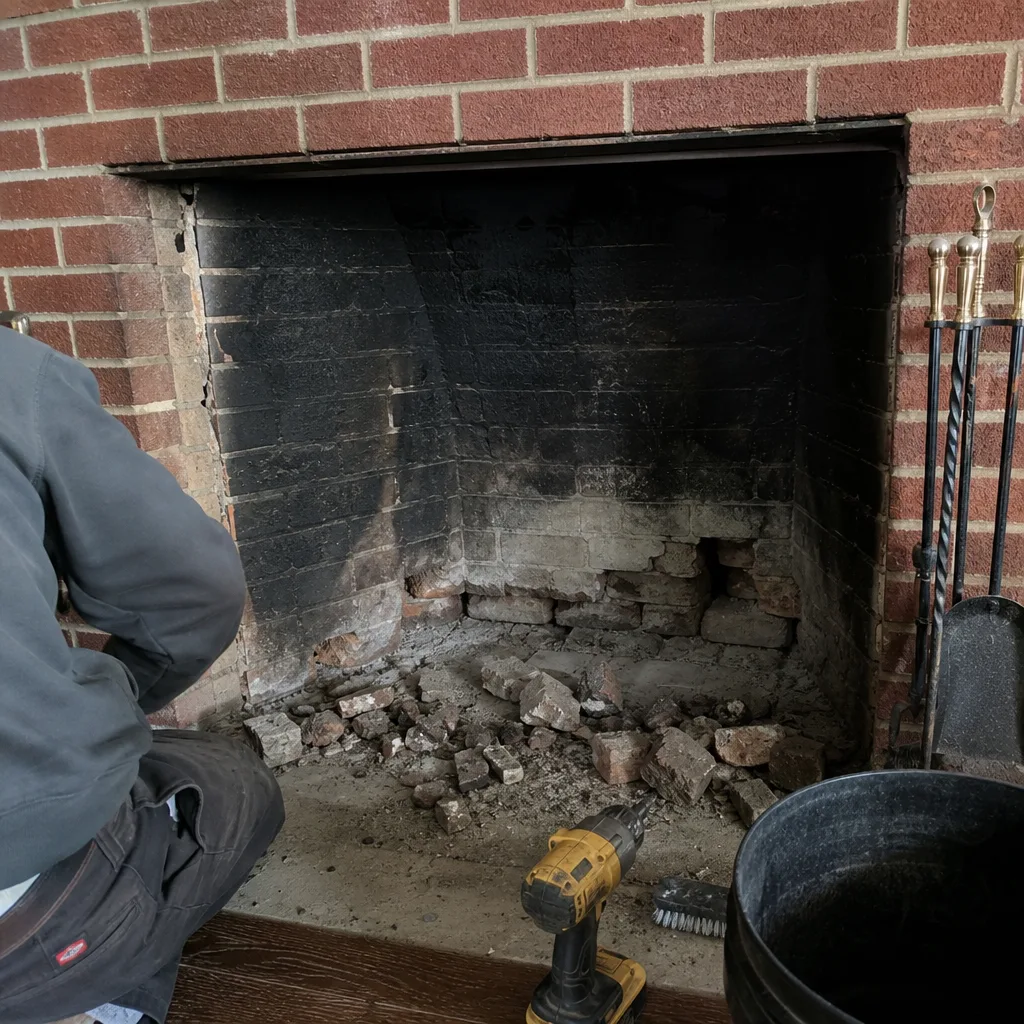
See the difference
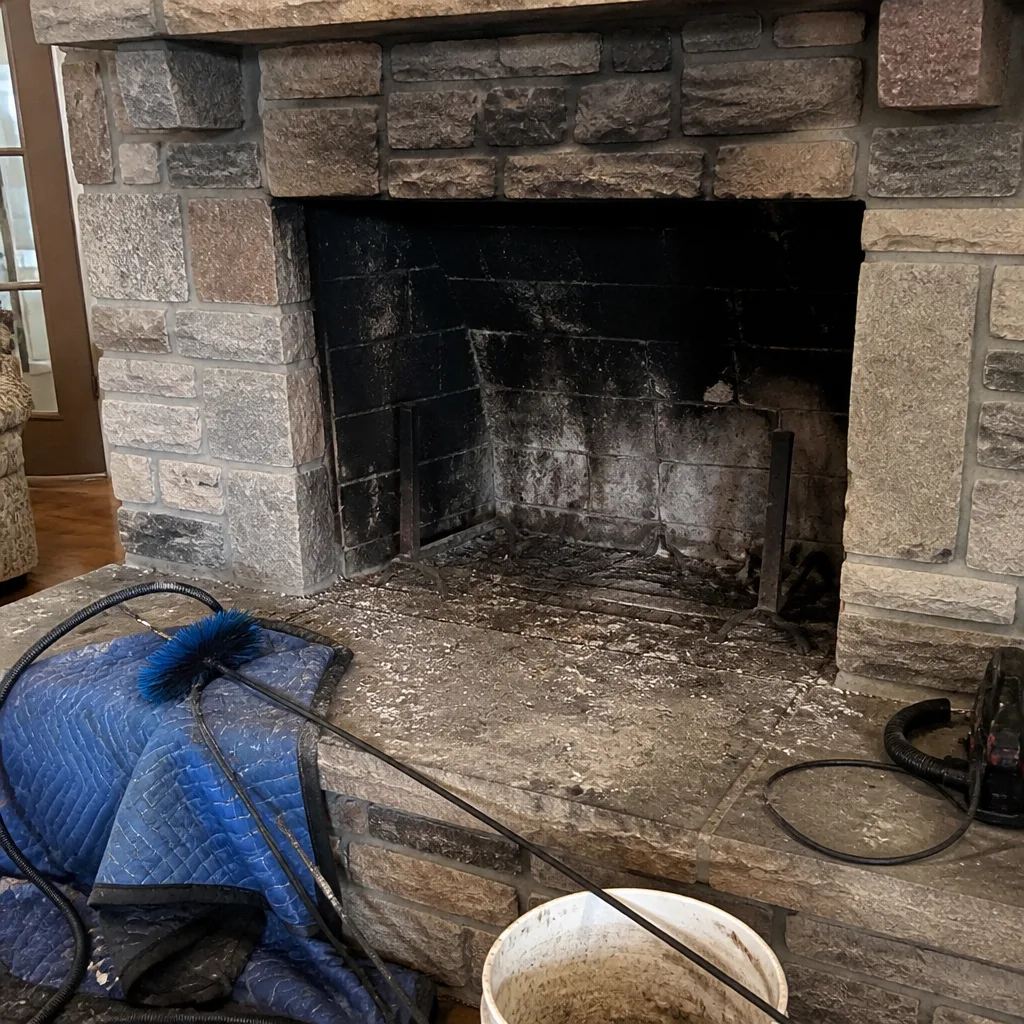 Before
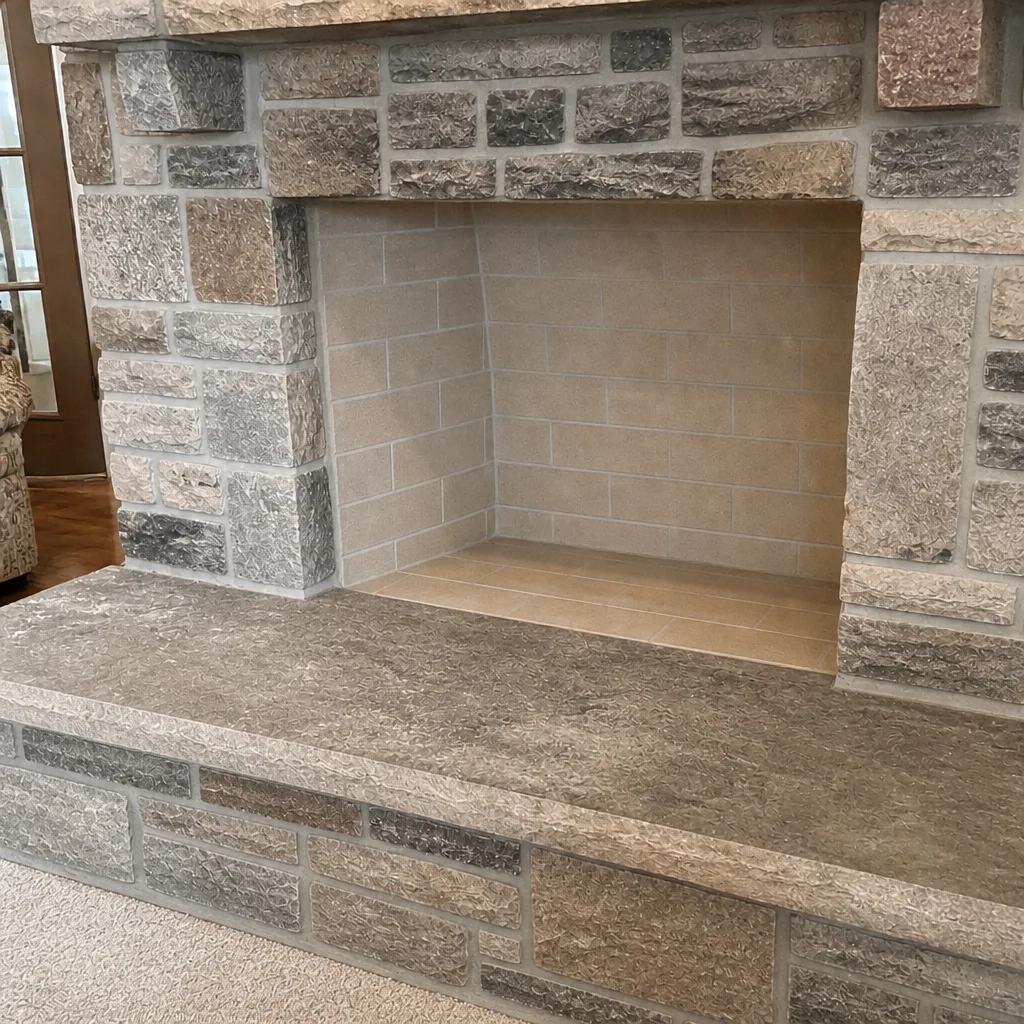 After
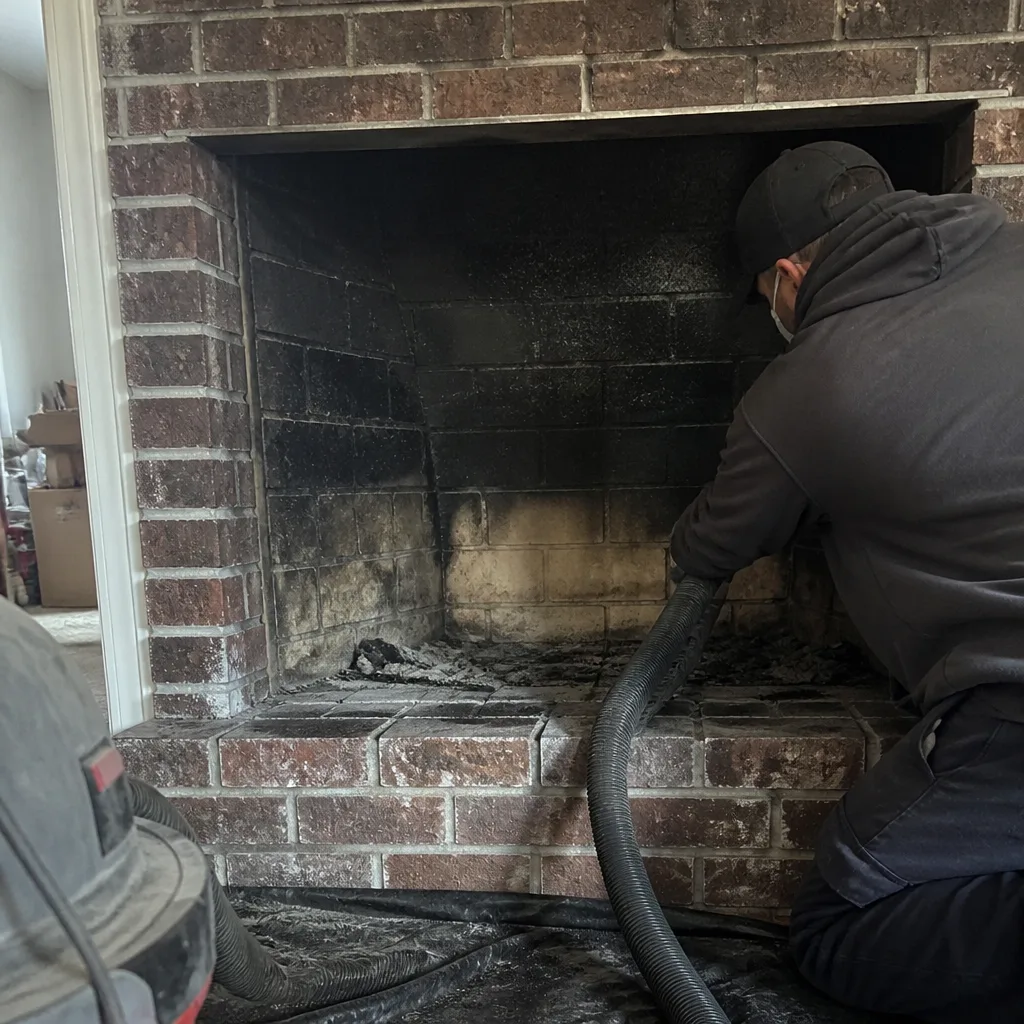 Before
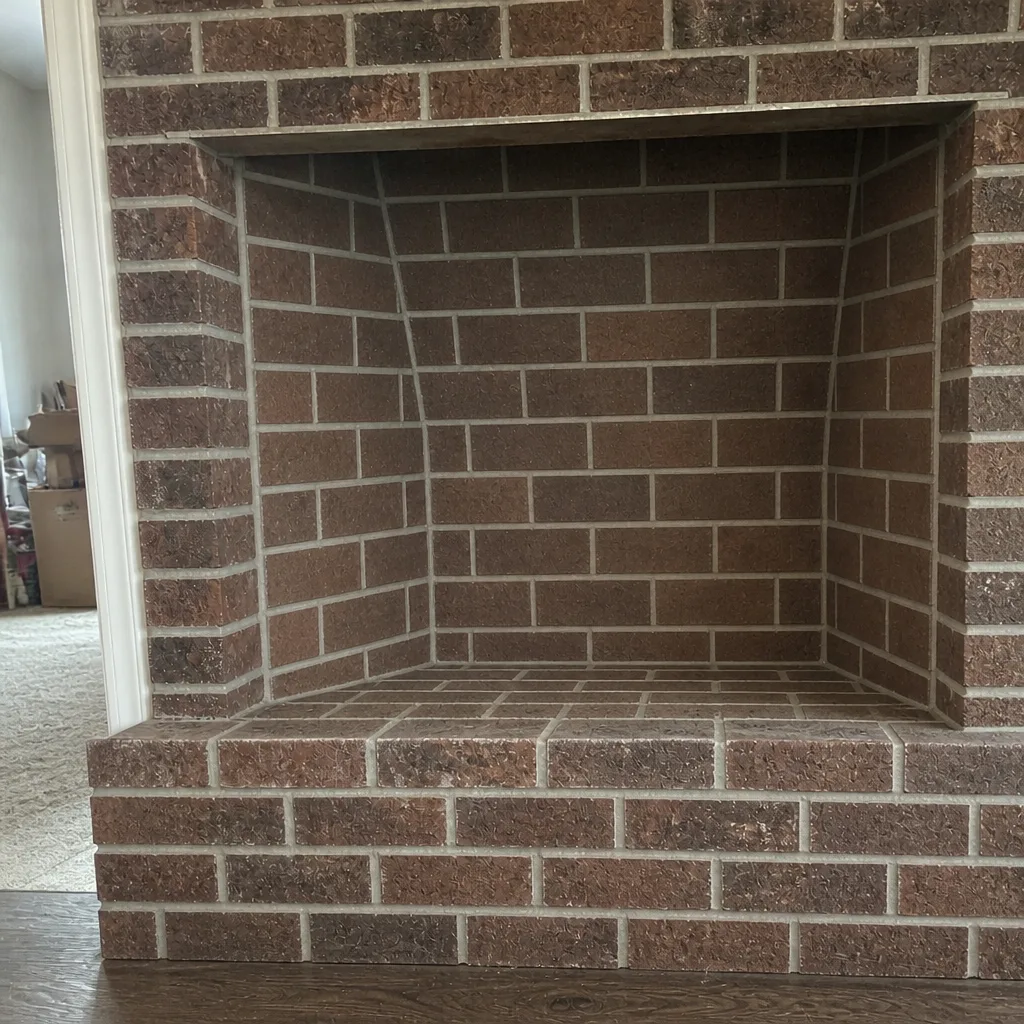 After
 Before
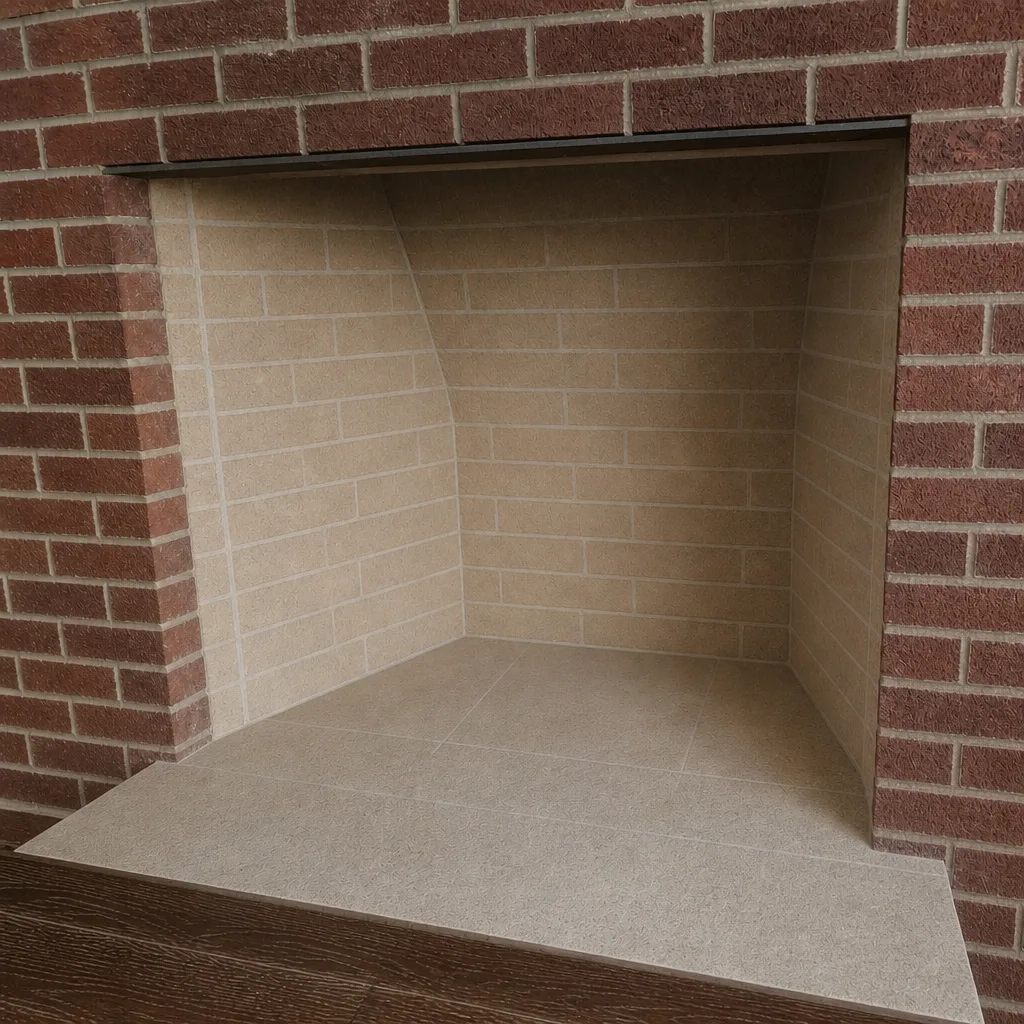 After
When to Call a Professional
Some chimney work isn’t a homeowner job, and it’s worth being clear about which is which.
Call a professional if you smell smoke in the house when the fireplace isn’t in use, if the fire won’t draw, if you see water staining on the chimney exterior or ceiling nearby, if there’s a cracked or missing cap, if you hear animals in the flue, or if it’s simply been more than a year since the last sweep. A chimney fire – even one that went out on its own – is a reason to call before the next burn. And if you’re buying a house with a wood-burning fireplace, get a Level 2 inspection before closing.
Entirely too much of the chimney trade is a quick brush and a handshake. Knoxville Chimney Sweep Pros offers free estimates in Knoxville – call (855) 726-7247. The estimate is free, the price is set per job by the written estimate, and you’ll see the camera evidence before anything is recommended.
Frequently Asked Questions
A basic chimney sweep in Knoxville typically runs $150 to $250, and a sweep bundled with a Level 1 inspection is usually $200 to $350. A sweep with a Level 2 camera inspection runs $300 to $500, and repair work is priced separately. Call (855) 726-7247 for an exact quote – estimates are free.
You need a Level 2 inspection if the chimney is new to you, hasn’t been inspected in years, has had a chimney fire, or has changed how it drafts. A camera scan is the only way to see the flue liner’s condition, and it’s what separates a guess from a diagnosis. Call (855) 726-7247 and we’ll tell you plainly which level fits your chimney.
Once a year is the standard for a wood-burning fireplace that gets regular use, and it’s the schedule that keeps the visit in the routine-maintenance range. A chimney that’s used heavily or burned with unseasoned wood may need more attention. Call (855) 726-7247 to book a sweep and we’ll assess the creosote level honestly.
Creosote builds up inside the flue, and glazed creosote is the fuel a chimney fire burns. Water intrusion through a failing cap or crown also goes unaddressed, which is what turns a small seal problem into masonry damage. The annual visit is the cheap end of the cost curve. Call (855) 726-7247 for a free estimate before the season starts.
Not automatically, but the price usually reflects the scope. The question isn’t whether a sweep is expensive; it’s whether the estimate states what’s included. A $300 visit with a camera scan and a written report is a different product from a $79 cleaning. Ask what tier you’re buying before you book, and call (855) 726-7247 if you want us to walk through the options.
HeatShield ceramic liner restoration is the right call when the existing flue is structurally sound but the liner surface needs restoring; a full reline is warranted when the existing liner has failed outright. The camera decides which applies. Call (855) 726-7247 and we’ll show you what the flue looks like before recommending either.
The Bottom Line
Chimney cleaning cost in Knoxville in 2026 breaks into three tiers: a basic sweep at $150 to $250, a sweep with a Level 1 inspection at $200 to $350, and a sweep with a Level 2 camera inspection at $300 to $500, with repair work priced separately. The lesson underneath the numbers is simpler than the table: the advertised rate and the full-service visit are different products, and the difference is the inspection. Pay for the tier your chimney actually needs, insist on camera evidence before any repair, and keep the annual visit on the calendar. For a free estimate, call (855) 726-7247. We answer 24/7. Fast dispatch from 7am to 7pm, Sunday through Friday, and we’re closed Saturday.
Written by the team at Knoxville Chimney Sweep Pros.