
Last updated November 25, 2026
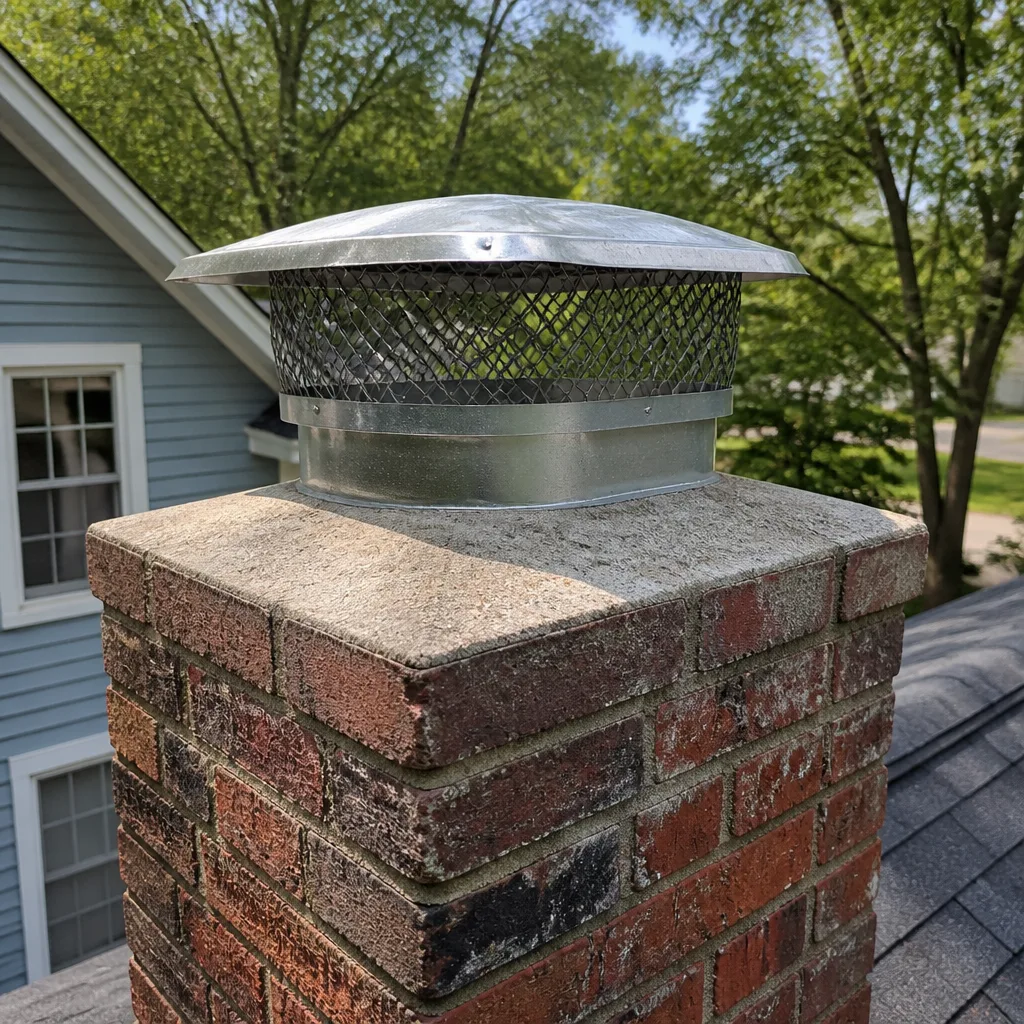 Sweep & inspection
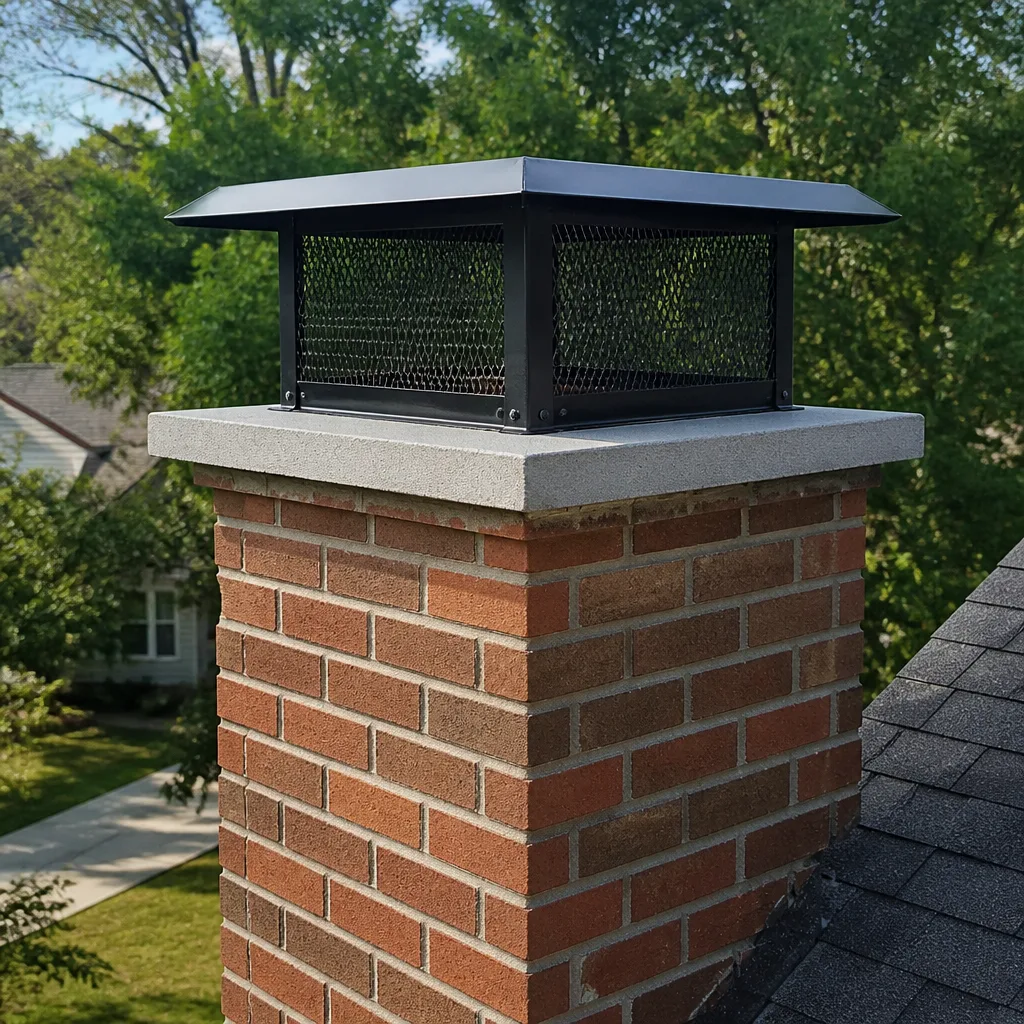 Caps & crowns
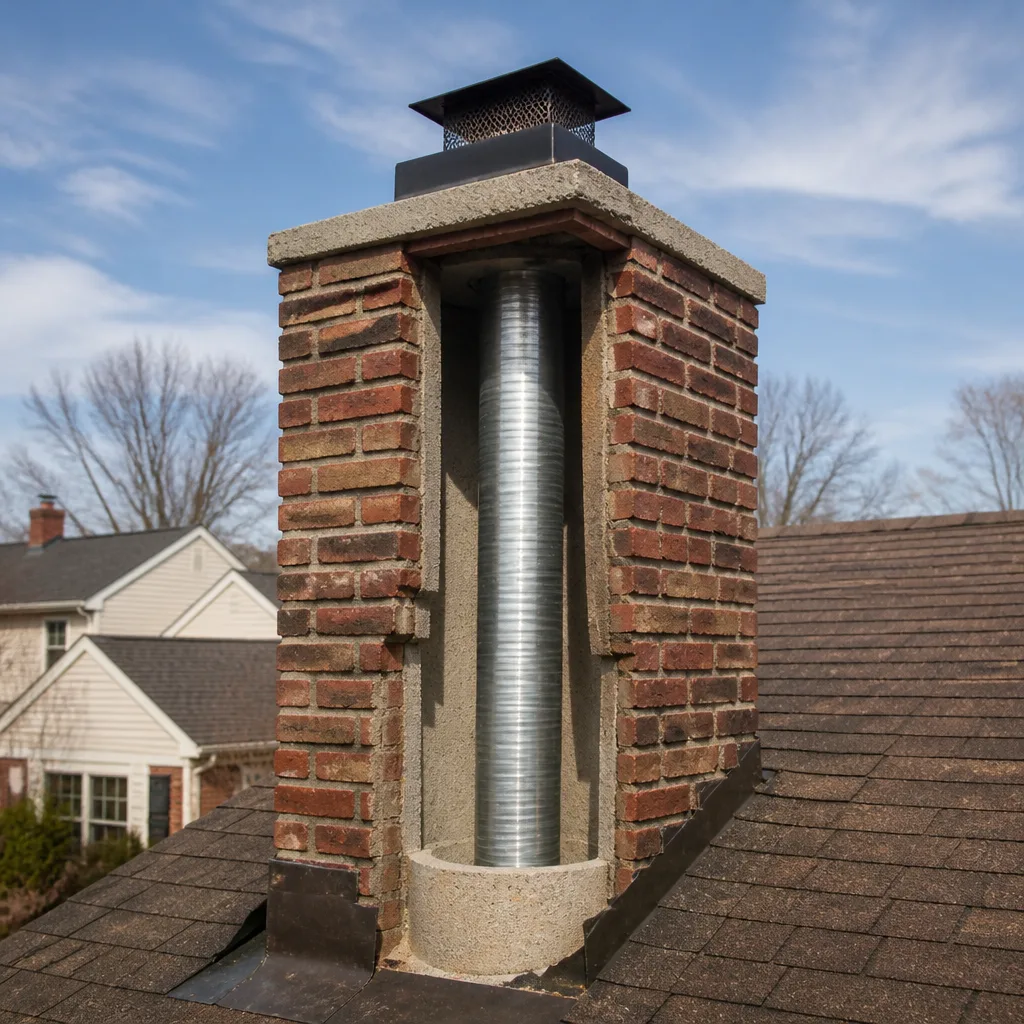 Flue relining
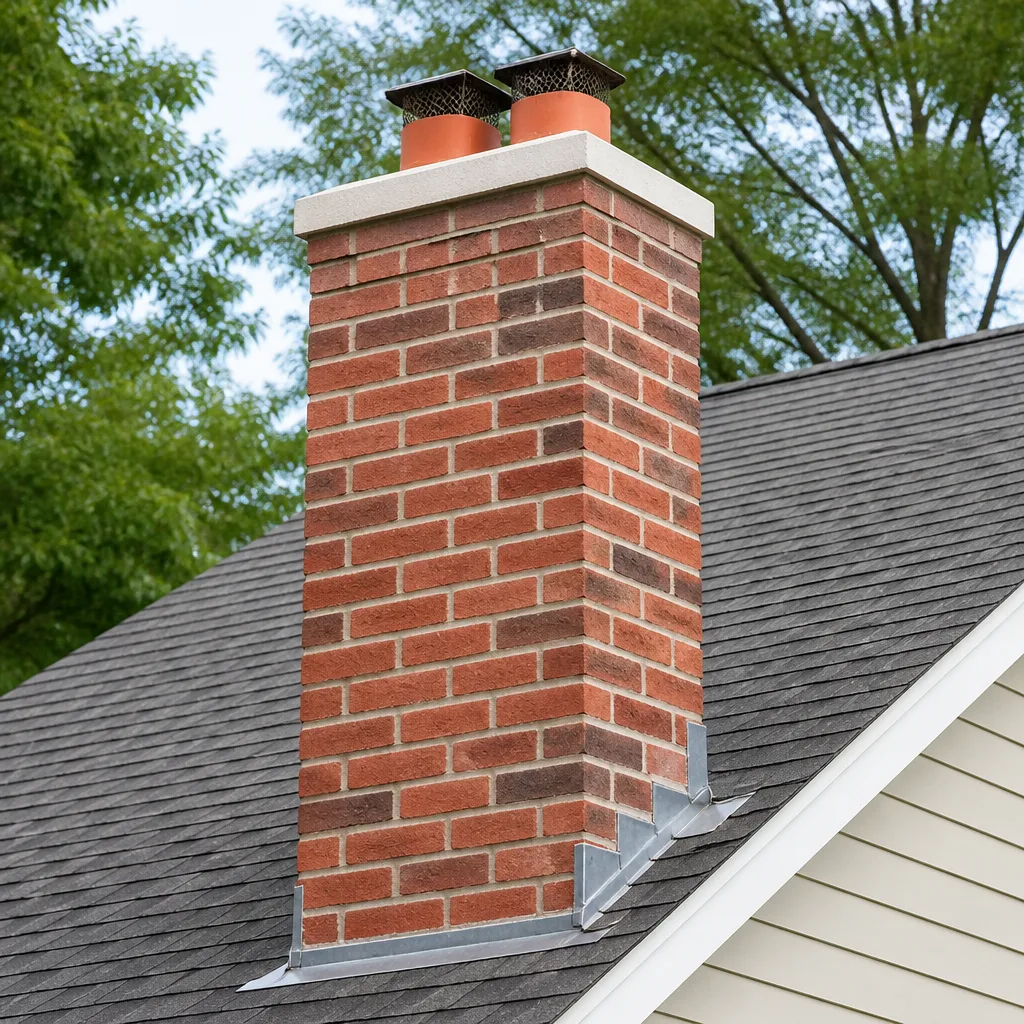 Masonry repair
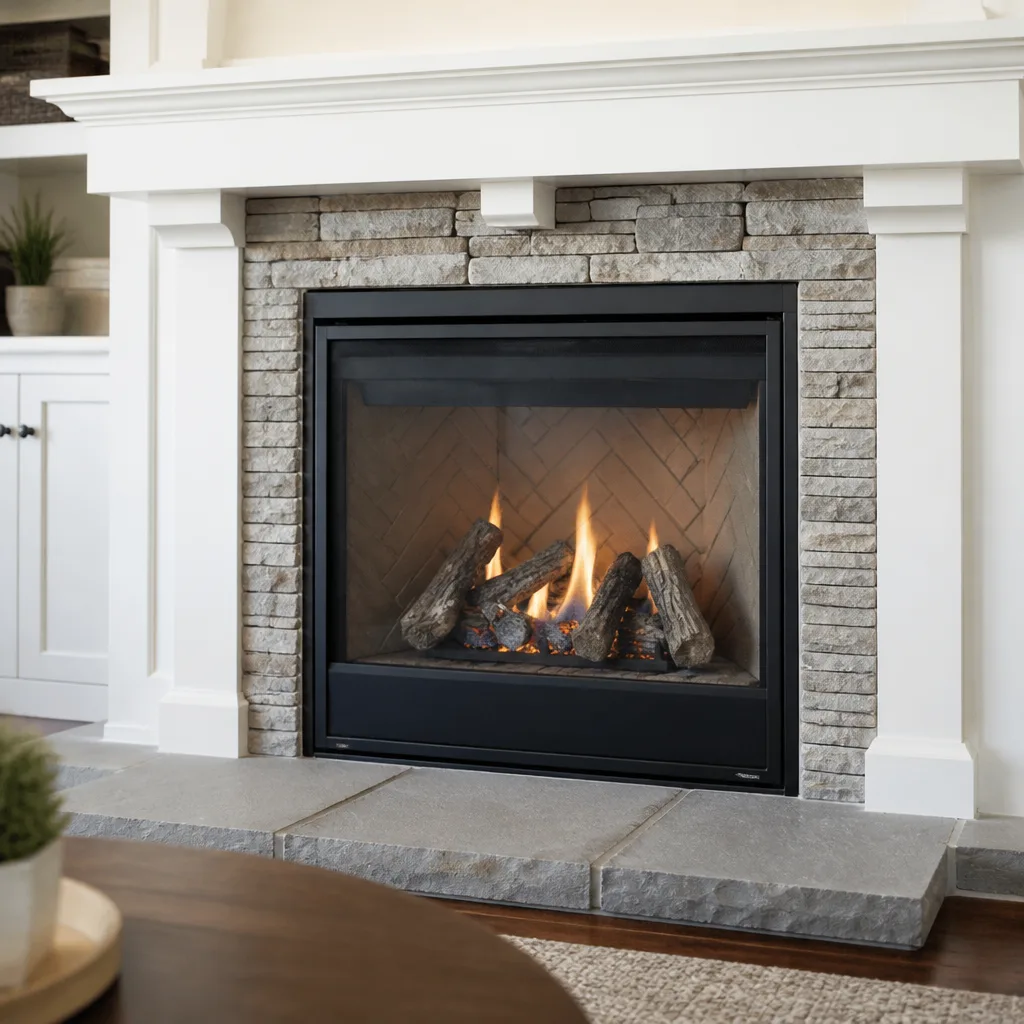 Gas fireplace service
Level 1 sweep and inspection to the NFPA 211 annual standard - flue, crown, cap, and flashing checked and photographed
Chimney sweep logs do not sweep chimneys. They loosen some creosote - which then falls where a brush and vacuum still have to collect it.
Chimney Cleaning Emergency Preparedness Guide for Knoxville Homes
A chimney fire doesn’t always announce itself with a roar. Some burn hot and fast and sound like a freight train, but others creep along at around 1,000°F inside the liner while the house stays quiet and the fire in the box looks normal. Those slow ones are frequently the ones that reach the framing. The gap between a chimney fire you catch early and one you find out about from the fire department is usually preparation, not luck. This guide covers the warning signs that give you a window to act, the first 10 minutes when that window closes, and how Knoxville homeowners can get their system verified before the heaviest burning months arrive.
Quick Answer
A chimney fire emergency in Knoxville is best handled in two stages: recognize the signs early (a low rumble, a hot smell, puffs of smoke or creosote flakes at the cap), then act fast, and if flames or heavy smoke are visible, call 911 before anything else. After any chimney fire, even a small one, the system needs a Level 2 inspection before you light another fire, and that is a job for a chimney professional, not a general handyman.
Styles & brands we work with
- Sweep & inspection
- Caps & crowns
- Flue relining
- Masonry repair
- Gas fireplace service
Table of Contents
- How Do You Know If Your Chimney Is on Fire?
- What Should You Do in the First 10 Minutes?
- What Does the Knoxville Fire Department Handle, and What Comes After?
- Why Is a Level 2 Inspection Mandatory After a Chimney Fire?
- When Does Chimney Fire Risk Peak in Knoxville?
- How Do You Prepare Before Burning Season Starts?
- What Actually Prevents Chimney Fires?
- Common Mistakes to Avoid
How Do You Know If Your Chimney Is on Fire?
A chimney fire is a combustion event inside the flue, usually fueled by creosote that has built up on the liner walls. It can be dramatic or nearly silent. The signs worth memorizing fall into three groups: what you hear, what you smell, and what you see.
Sounds
- A low, rumbling roar that sounds like a distant train, which is one of the most common descriptions from homeowners who catch a fire early.
- Ticking, crackling, or popping that seems to come from inside the chimney rather than the firebox.
- A whooshing sound, like air being pulled hard up the flue.
Smells
- A hot, acrid, almost metallic smell that isn’t the normal wood-smoke scent.
- A sudden strong creosote smell inside the house, which can indicate the fire is drawing air backward through the system.
Visible Signs
- Dense smoke or flames visible at the top of the chimney.
- Creosote flakes or pieces of liner material falling onto the roof or ground near the cap.
- Black smoke staining or heat discoloration on the chimney exterior.
- Warped or glowing metal on a prefab chimney, or a cracked masonry crown.
- A neighbor noticing sparks or flames at the roofline before you do.
The important distinction: a normal fire sounds like a soft crackle confined to the firebox. A chimney fire sounds like it’s coming from higher up in the flue. If you have to ask yourself whether the sound is normal, err toward the cautious answer. Call (855) 726-7247 and we can talk it through with you. We answer 24/7. A call outside dispatch hours is booked into the next opening, Sunday through Friday, 7am to 7pm.
What Should You Do in the First 10 Minutes?
The first 10 minutes of a suspected chimney fire are the safest window you’ll get to make decisions, because the situation either clears or escalates. Your response splits into two paths, and knowing which one applies is everything.
Path 1: Call 911 First
Call 911 immediately if any of these are true:
- You can see flames or heavy smoke at the top of the chimney or from the roof.
- You hear a sustained roaring sound or a sustained vibration in the chimney.
- Smoke is backing into the room, or the smoke alarms or carbon monoxide alarms are sounding.
- You see or smell burning material anywhere outside the firebox: in the attic, at the roofline, in the walls.
- Anyone in the home feels unwell, dizzy, or confused (possible carbon monoxide exposure).
While you wait for help, get everyone outside and call from a safe location. Close the fireplace doors if it can be done safely from a distance, but do not reach into a hot firebox. Do not attempt to extinguish a chimney fire with water from inside the house, and never spray a hose into the flue. Those moves can crack a hot liner and cause a much worse failure.
Path 2: Minimize Air and Monitor
If the sound and smell are mild, smoke is contained, and no flames are visible at the top, you can take a controlled step to starve the fire of air while you get professional eyes on it. Use a chimney fire suppressant designed for that purpose, follow the label exactly, and close the damper and glass doors to cut the air supply. Then step outside and watch the top of the chimney for several minutes. Keep watching for the next hour, because a slow fire can re-ignite. This is the case where we’d still take a look the same day or the next morning. If it turns dramatic again, treat it as Path 1 and call 911.
After Either Path
Do not relight a fire until the chimney has been inspected. That is not a suggestion. It’s the difference between catching a crack in the liner and finding out about it at the worst possible moment.
What Does the Knoxville Fire Department Handle, and What Comes After?
The Knoxville Fire Department is trained and equipped to put out a chimney fire, protect the structure, and confirm the home is safe to occupy. What it does not do is evaluate the condition of the liner, the crown, the flue joints, or the surrounding masonry after the fire is out. That’s the handoff point, and it’s where most homeowners get stuck.
Here’s how the responsibilities split:
- Knoxville Fire Department: Extinguishes the fire, checks for extension into walls and attic, confirms no ongoing combustion, and secures the scene.
- Chimney professional: Inspects the system after the fire, documents the condition of the liner and flue, identifies what failed and why, and recommends repair or restoration.
- Homeowner: Does not relight until the post-fire inspection comes back clean or the repair is completed.
We’ve seen plenty of Knoxville homes where the fire department cleared the call and the homeowner assumed everything was fine. Sometimes it is. But a chimney fire hot enough to be visible often leaves hairline cracks in a clay liner or warps a prefab section. Those don’t announce themselves. A camera inspection is the only way to know what the fire actually did.
Why Is a Level 2 Inspection Mandatory After a Chimney Fire?
A Level 2 inspection after any chimney fire, even a small one, is required under NFPA 211, the national standard for chimneys, fireplaces, vents, and solid fuel-burning appliances. That’s not our rule; it’s the industry standard that insurers, inspectors, and code officials reference.
What a Level 2 inspection actually covers:
- The accessible portions of the flue, inspected with a camera: This is the step most general handymen can’t do.
- The chimney exterior, including the crown, cap, and flashing, where heat damage often shows first.
- The connections at the appliance, where gaps or deterioration can leak carbon monoxide into the home.
- The attic and any accessible crawl spaces or framing near the chimney, looking for char, smoke staining, or compromised clearances.
- A written record of the condition, which is valuable for insurance claims and for documenting what was repaired.
We use HeatShield for ceramic liner restoration on liners that are damaged but repairable, and DuraFlex liner systems for full relining when the original liner can’t be repaired. Both are trade-grade products, not hardware-store substitutes, and both are what you want in a chimney that just survived a fire.
If the inspection finds the liner is intact, that’s a relief and perhaps a few hundred dollars of work. If it finds a cracked liner, you now know why to address it before it’s a carbon monoxide problem. Either way, the information is the point. See our chimney sweep page to schedule the inspection and follow-up.
When Does Chimney Fire Risk Peak in Knoxville?
Chimney fire risk in Knoxville doesn’t spread evenly through the year. The pattern we see tracks directly with the wood-burning season, which in East Tennessee runs roughly from late October through March, with the heaviest use during the coldest snaps in January and February.
Risk climbs in three specific situations:
- The first cold snap of the season. Homeowners who skipped a fall sweep light the first fire in months, and the creosote that built up last season is still there. That’s the highest-risk fire of the year for many homes.
- Extended cold stretches. When it’s cold for two or three weeks straight, the fire burns hot and long, and creosote builds faster than during the shoulder seasons.
- Damp, mild, burning-season conditions. Cool, humid fall and spring days lead to smoldering, unseasoned wood, or a fire choked down to last the night, which is exactly the pattern that produces the most creosote per fire.
The practical takeaway: the best time to get your chimney verified in Knoxville is before that first really cold night, not after. A sweep and inspection in September or early October gives you a known baseline going into the season, and if the inspection flags a problem, you have time to fix it before the weather gets serious. If you’re reading this in the middle of winter and you haven’t had the chimney checked, that’s still not too late. It just means getting it done before the next fire. Call (855) 726-7247 for a free estimate; fast dispatch from 7am to 7pm, Sunday through Friday.
How Do You Prepare Before Burning Season Starts?
Preparedness is a short checklist, not a project. If you do these things before you need them, you’ve cut your chimney fire risk significantly and you’ll know what to do if one starts anyway.
1. Get the chimney swept and inspected annually
An annual sweep and inspection is the single most valuable thing you can do. The inspection isn’t just about cleaning; it’s about identifying conditions that carry risk. Our technicians have up to 14 years of experience reading those conditions, and we’ll show you what we find on camera so you can see it for yourself. For the cleaning side, visit our chimney sweep page.
2. Have the cap and crown checked
A missing, damaged, or poorly fitted chimney cap lets water in, and water is the leading cause of masonry chimney deterioration. A cracked crown does the same. Both are fixable, and both matter more in a fire-prone system than most homeowners realize. See our chimney cap & crown work if you want to close that gap before the season.
3. Stock a chimney fire suppressant
Keep a chimney fire suppressant near the fireplace, not in the garage, and read the label once before you need it. When you’re deciding whether to use it, your hands should already know what to do.
4. Test the smoke and carbon monoxide alarms
Carbon monoxide is a real risk from a compromised chimney. Test both types of alarms in the home and replace batteries at the same time you change clocks. This is a five-minute job that matters more than any other prep step when something goes wrong.
5. Store firewood correctly
Seasoned, dry wood burns hotter and cleaner. Wood that’s still wet or stored too close to the house smolders and smokes, and that’s the pattern that builds creosote fastest. Keep the woodpile off the ground and away from the structure.
6. Know your system
Have a rough idea of what kind of liner you have (masonry, clay tile, or prefab metal) and its condition. That’s the kind of thing an inspection tells you, and it changes what you do if a fire ever starts. We use HeatShield, DuraFlex, and components from Gelco, Olympia Chimney, and Famco because they’re the trade-grade materials those systems were designed for, and the right component matters whether you’re looking at a repair or a full replacement.
What Actually Prevents Chimney Fires?
Prevention comes down to controlling two things: creosote and heat. Creosote is a byproduct of burning wood, and it’s highly combustible once it accumulates on the liner. Heat is the flame temperature. The two together are what produce a chimney fire.
Control the creosote
- Sweep at least annually, and more often if you burn heavily. The industry rule is that a chimney needs sweeping when there’s a quarter-inch of creosote on the liner walls, but we recommend an annual inspection regardless so you know what stage you’re at.
- Burn seasoned wood only. Wood with too much moisture produces more smoke, more creosote, and less heat.
- Avoid long, slow, smoldering fires. A fire choked down to last the night is the recipe for creosote buildup.
Control the heat
- Never burn paper, cardboard, or trash in a wood-burning fireplace. Those flare hot and fast and can ignite creosote that a normal fire wouldn’t touch.
- Watch for a draft that seems too strong. A chimney fire draws its own air; a fire that suddenly gets louder is a warning.
The bigger point is that your chimney is a system. The firebox, liner, crown, cap, and flashing all work together, and a failure in one can cascade. That’s why a single company that handles inspection, sweeping, fireplace repair, and structural chimney repair end to end is a better investment than a sweep crew that hands you a report and drives off. We carry the fix, not just the diagnosis.
Common Mistakes to Avoid
- Skipping the post-fire inspection. A fire you think was small can crack a clay liner in a way you’d never see without a camera. Not relighting until the inspection is done is the single most important rule in this guide.
- Calling a general handyman after a chimney fire. Most handymen can’t camera the flue, can’t restore a liner, and can’t tell you whether the heat damaged the crown. That work belongs with a chimney specialist.
- Assuming smoke alarms and CO alarms are still good because they chirp. A compromised chimney is exactly the situation CO alarms are for. Test them and replace batteries on a schedule, not when something feels off.
- Burning green or damp wood because it’s what’s on the pile. In Knoxville’s damp fall and spring conditions, wet wood is easy to have on hand and hard on the liner. It builds creosote faster than you’d expect.
- Waiting until January to get the chimney checked. By the time the first cold snap hits, you’re already in your highest-risk window. A fall sweep eliminates that risk entirely.
- Trying to put out a chimney fire with water from inside the house. Water into a hot flue can crack the liner and cause a worse failure than the fire itself. This is a call-911 or use-suppressant decision, never a hose decision.
- Ignoring a cracked crown or missing cap. Water intrusion is the leading cause of long-term chimney decay, and decayed masonry is more vulnerable during a fire. Fixing the cap and crown is prevention, not cosmetics.
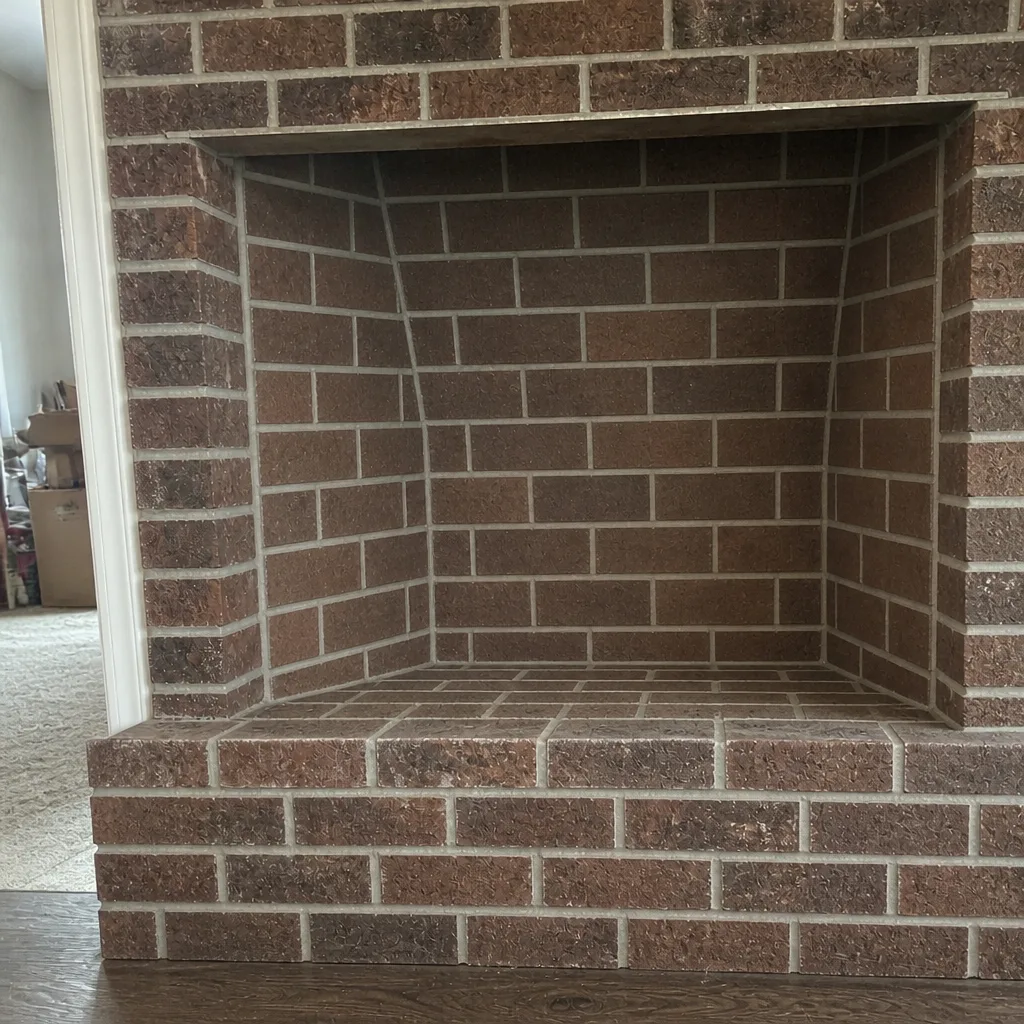
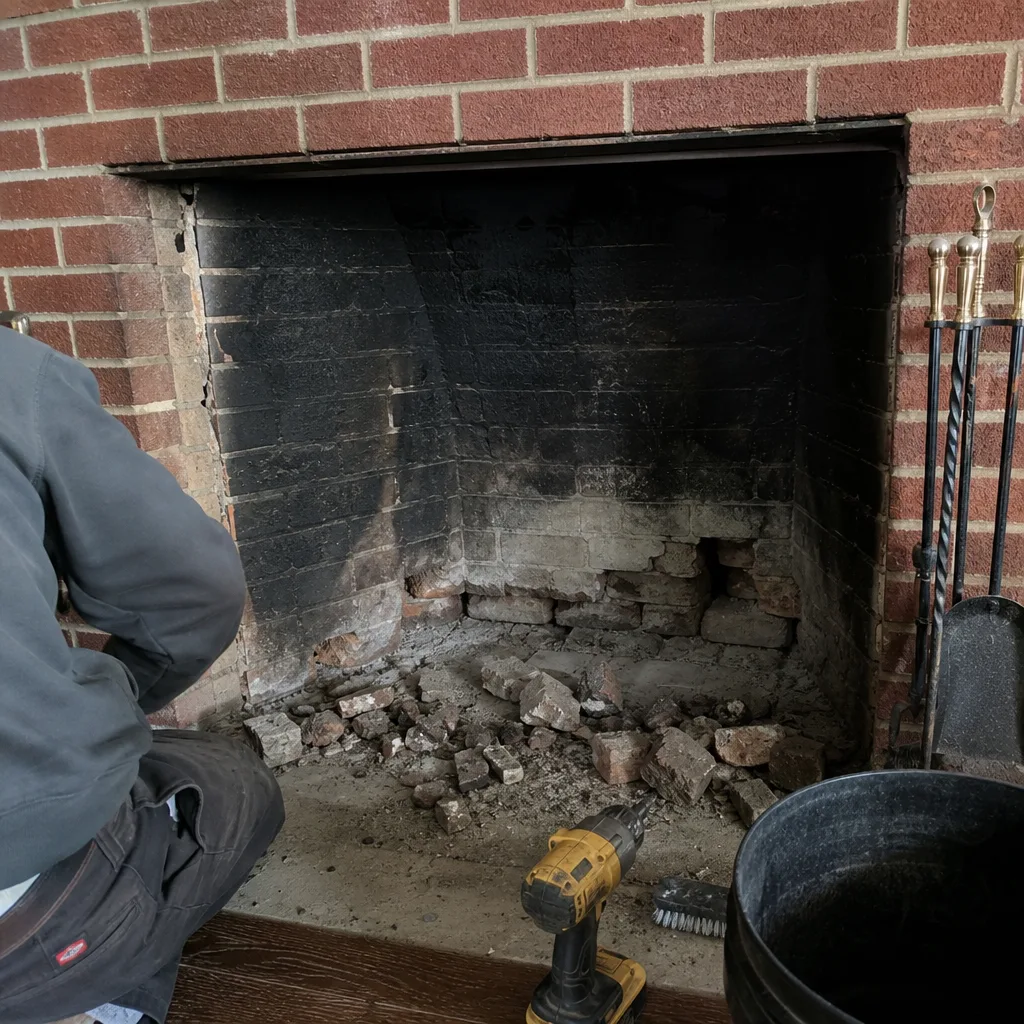
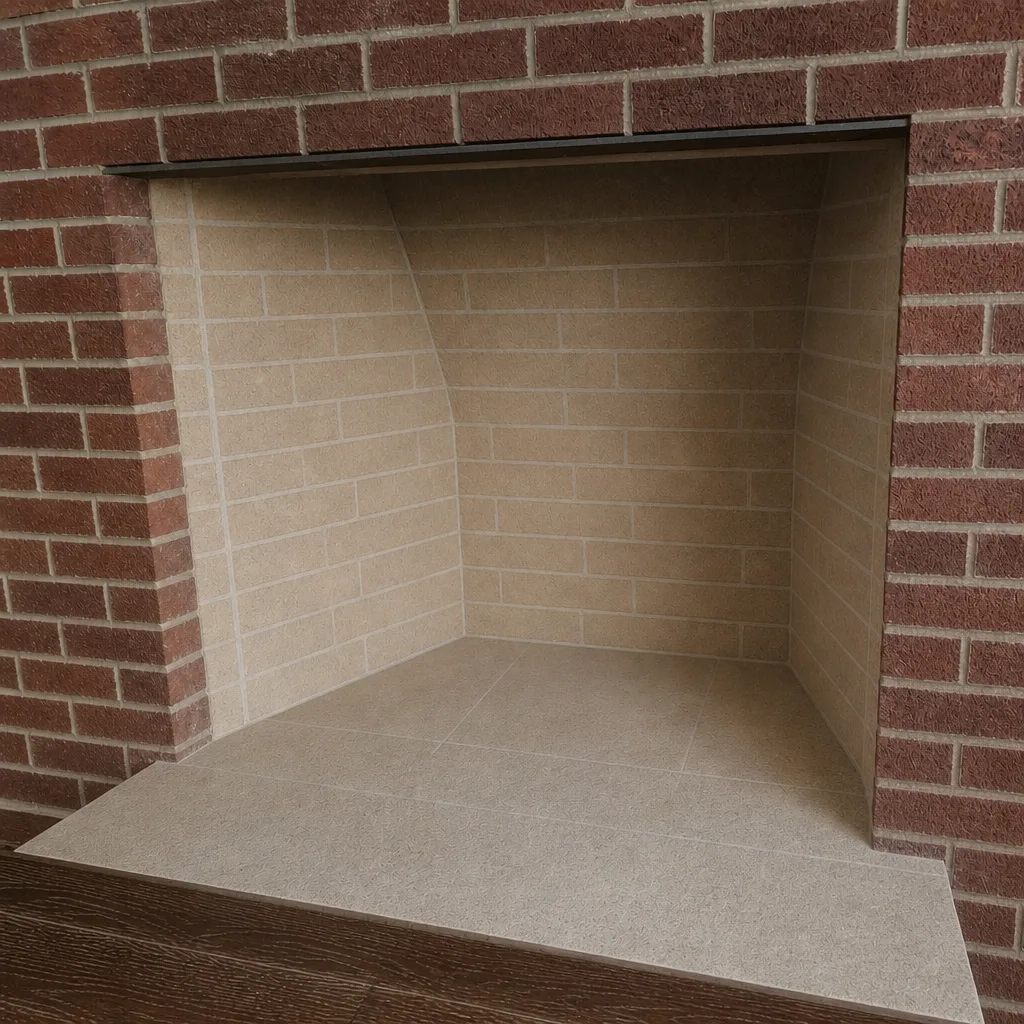
See the difference
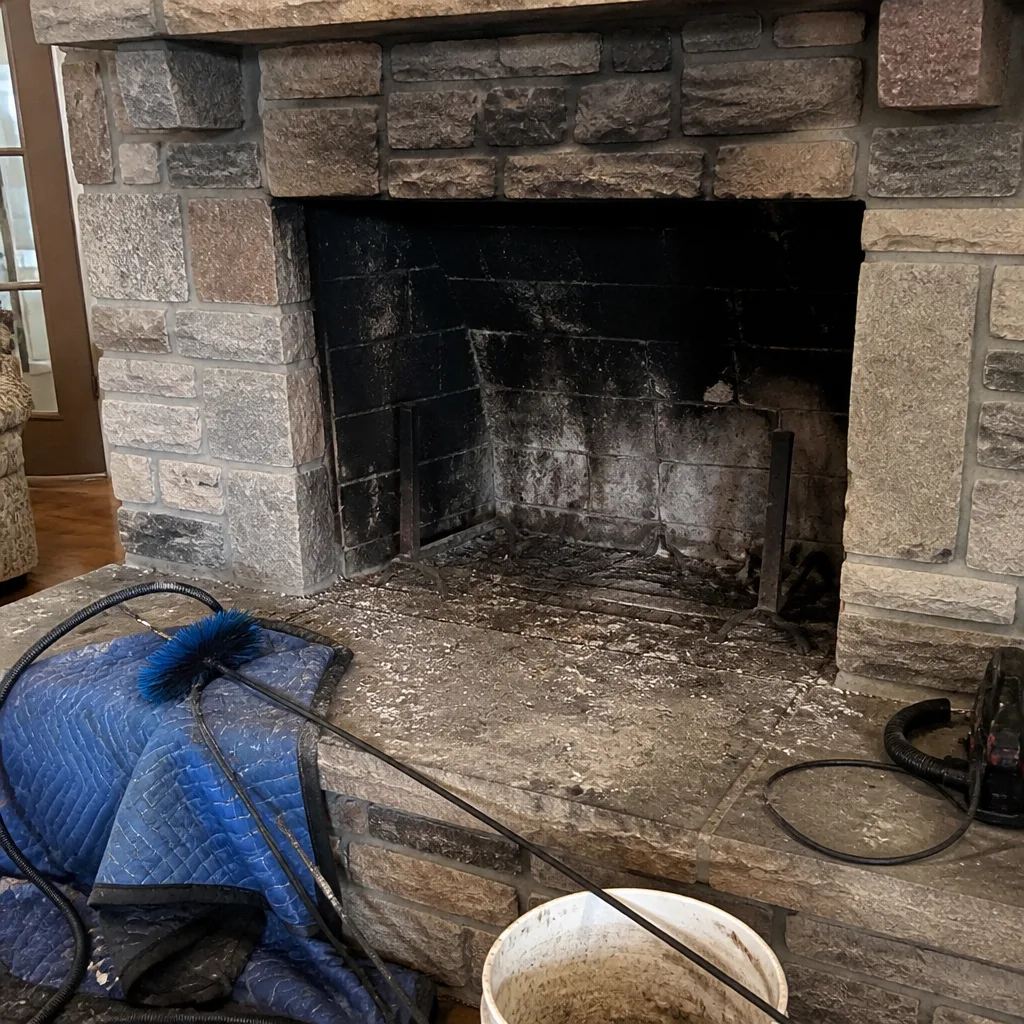 Before
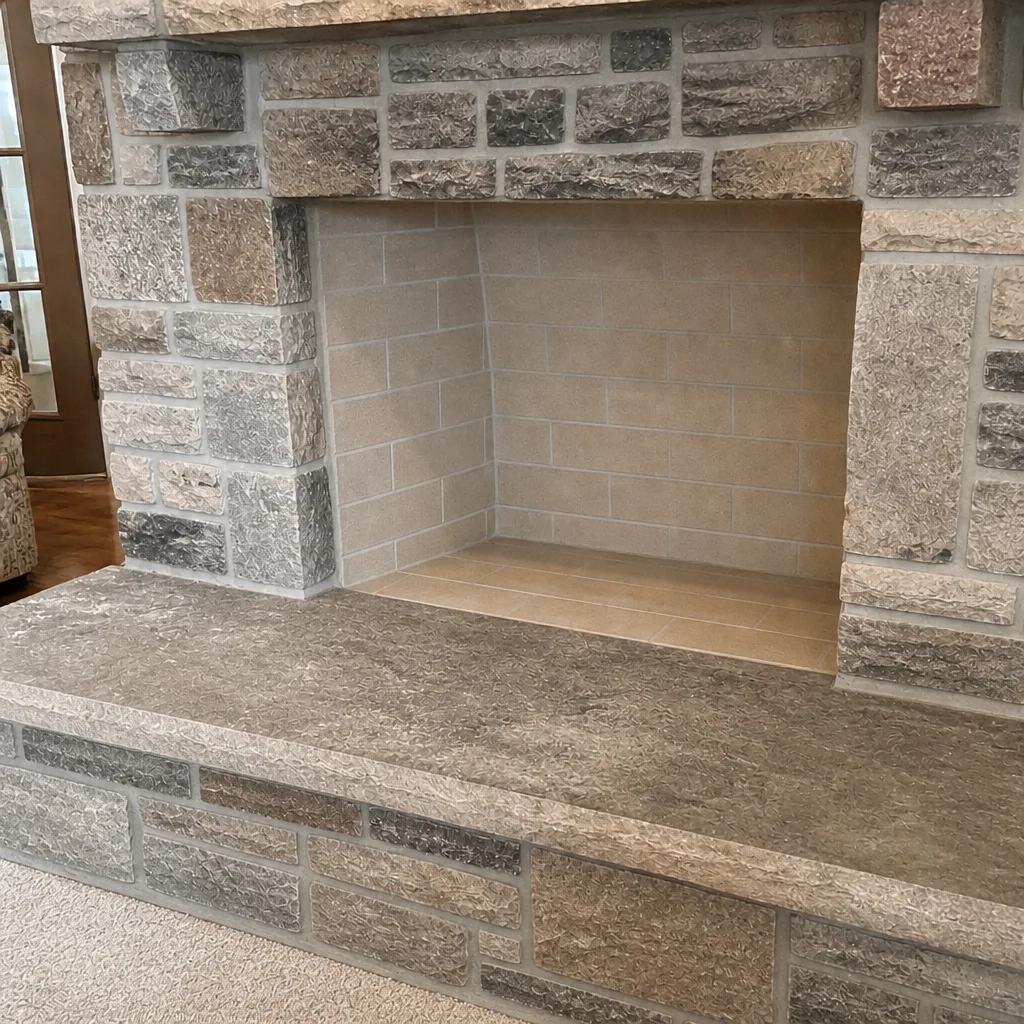 After
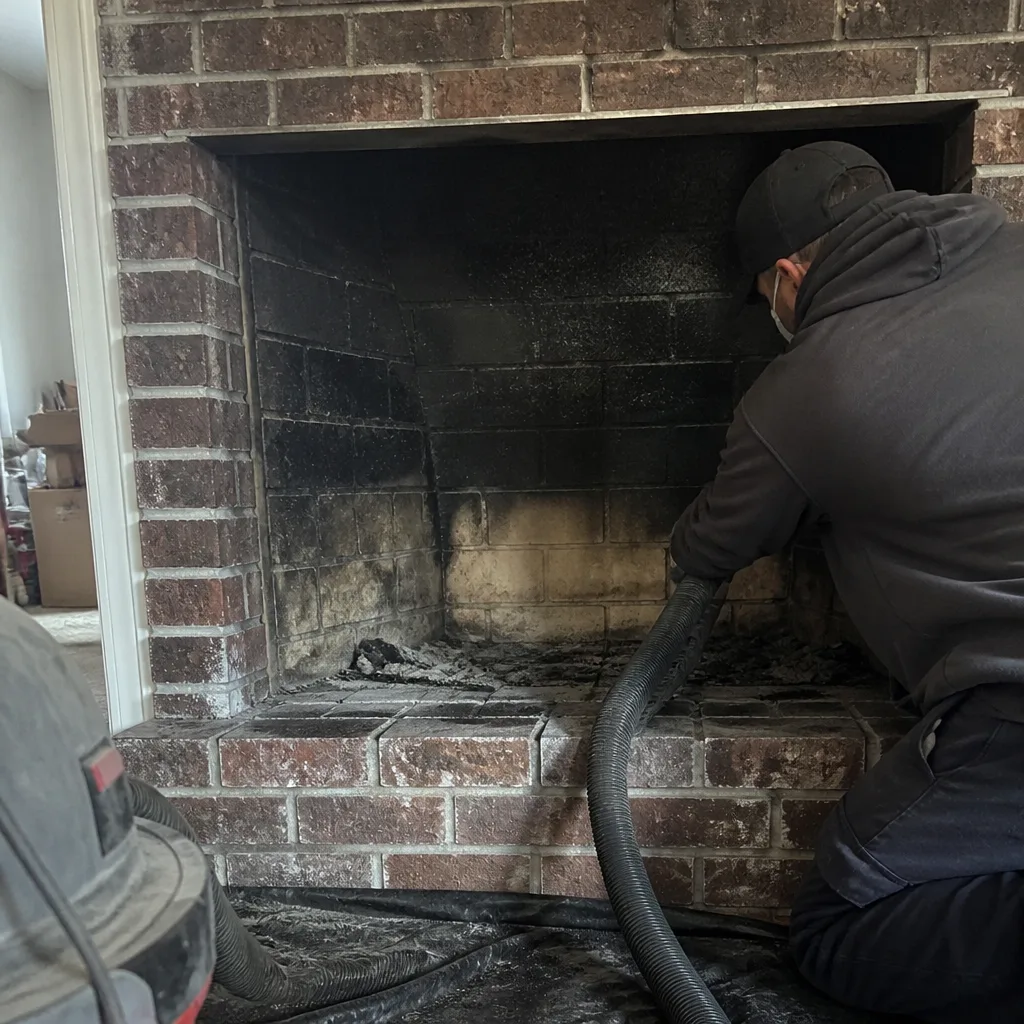 Before
 After
 Before
 After
When to Call a Professional
Call a chimney professional if you’ve had any chimney fire, even one that seemed minor, because the post-fire inspection is required and only a specialist can do it correctly. Call before the season if you haven’t had a sweep or inspection in the past year. Call if you notice a cracked crown, a missing cap, damaged flashing, or any indication of water intrusion. Call if your fire smells wrong or drafts poorly. And call if you’re buying a home in Knoxville and want the chimney system evaluated before you close. Knoxville Chimney Sweep Pros offers free estimates in Knoxville. Call (855) 726-7247. We answer 24/7. Fast dispatch from 7am to 7pm, Sunday through Friday.
Frequently Asked Questions
Typical chimney sweep costs in Knoxville run roughly $150 to $300 for a standard sweep, with a camera inspection and a photo report often included. The written estimate always sets the final price, and there’s no cost to get one. Call (855) 726-7247 for an exact quote; estimates are free.
Not always, but you do need to know the condition of the existing liner, and that requires a Level 2 inspection. If the liner is intact, no relining is needed. If there are cracks, gaps, or heat damage, a new liner or a HeatShield ceramic restoration may be the right answer. We don’t recommend liner work without camera evidence you can see for yourself. Call (855) 726-7247 to schedule the inspection.
At least once per year, and more often if you burn wood heavily or burn through the winter. The industry rule of thumb is that a chimney needs sweeping when creosote reaches a quarter-inch on the liner walls, but an annual inspection is the way to know where you stand. Call (855) 726-7247 for a free estimate.
Creosote accumulates, the fire burns less efficiently, and the risk of a chimney fire rises. A slow-burning creosote fire can damage a liner without you noticing. Skipping the annual sweep doesn’t cause a fire on a schedule, but it removes the inspection that would catch the problem. Call (855) 726-7247 to schedule a sweep before the next season.
Not until a Level 2 inspection has confirmed the system is safe. That’s not our rule; it’s the NFPA 211 standard. Relighting a fire in a compromised liner can expose the home to carbon monoxide or smoke infiltration. Call (855) 726-7247 to get the inspection done.
We handle both, from first inspection to final repair. That includes sweeping, inspection, fireplace repair, chimney repair, and cap and crown work, all in a single relationship, with trade-grade parts from DuraFlex, HeatShield, Gelco, Olympia Chimney, and Famco. Call (855) 726-7247 for a free estimate.
The Bottom Line
The most important chimney fire lesson for Knoxville homeowners is that preparation beats reaction. Recognize the early signs (a low rumble, an acrid smell, creosote flakes at the cap), know the two paths in the first 10 minutes, and don’t relight until a Level 2 inspection has cleared the system. Before the season hits, get the sweep and inspection done and have the cap and crown checked. If anything comes back questionable, fix it with trade-grade materials rather than the cheapest substitute. That combination is what keeps a chimney fire from becoming a structural emergency. Call (855) 726-7247 for a free estimate. We answer 24/7. Fast dispatch from 7am to 7pm, Sunday through Friday. Visit Knoxville Chimney Sweep Pros to see all five service categories in one place.
Written by the team at Knoxville Chimney Sweep Pros.