
Last updated November 25, 2026
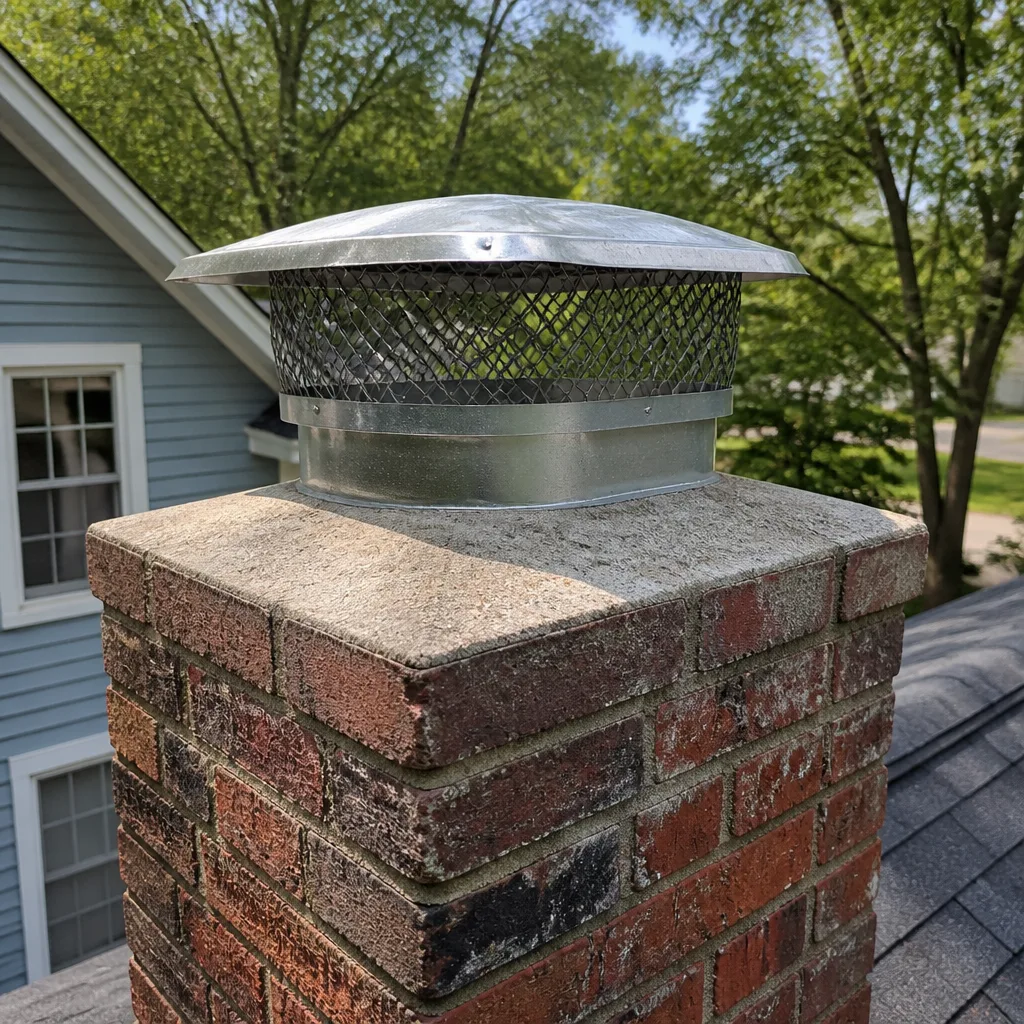 Sweep & inspection
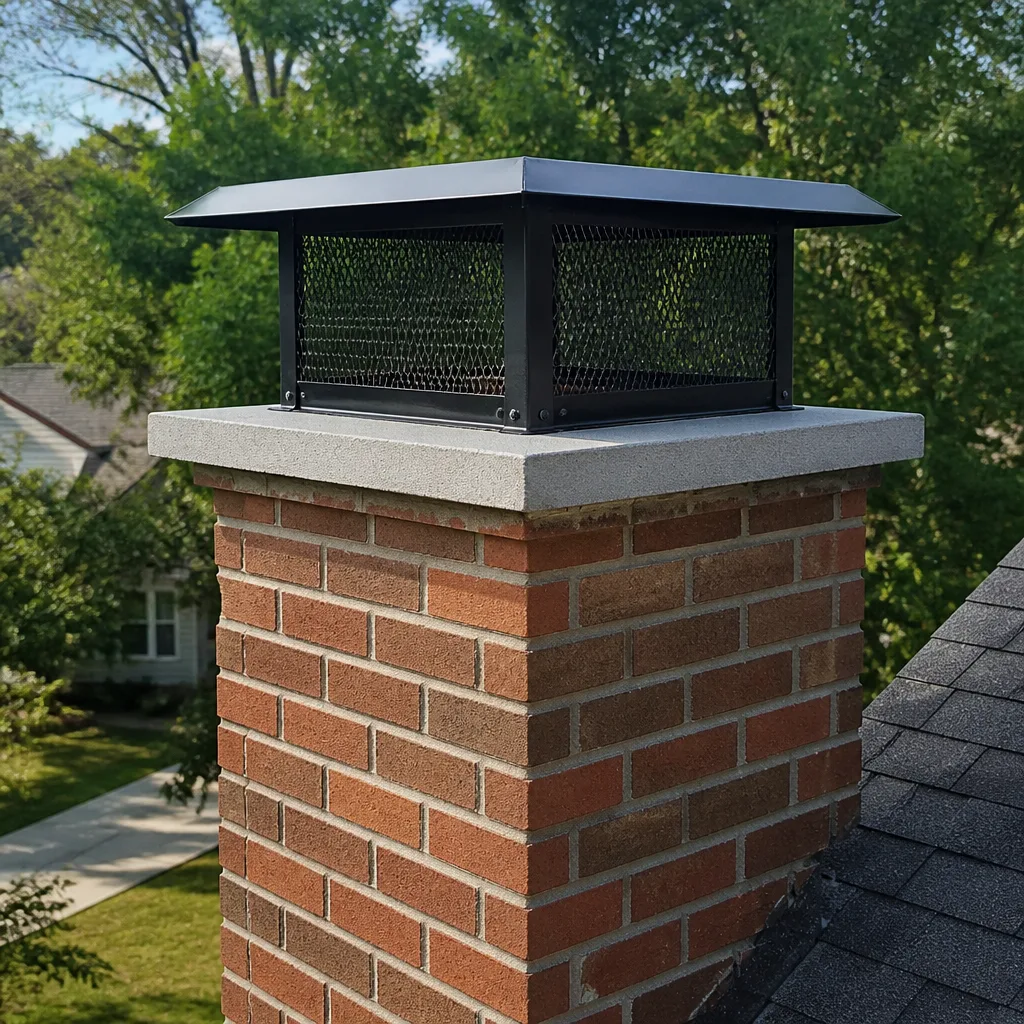 Caps & crowns
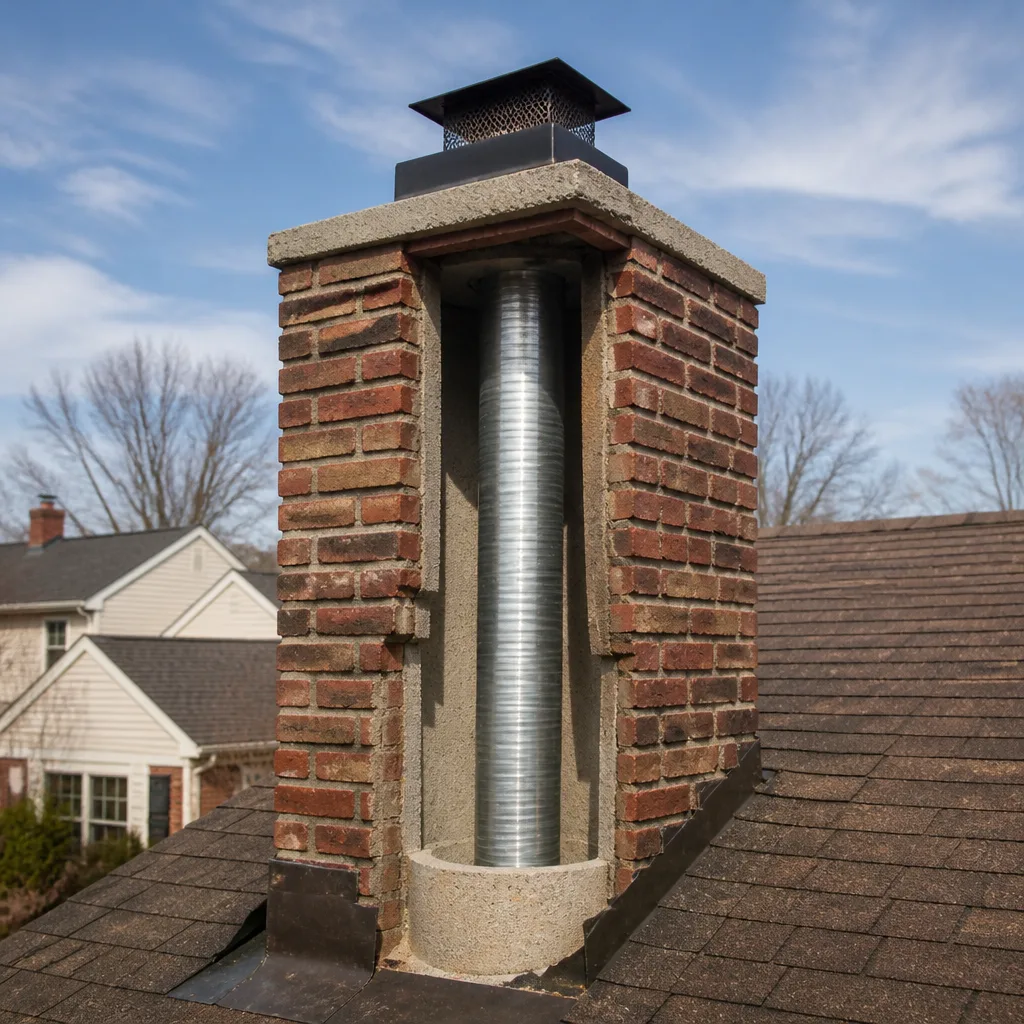 Flue relining
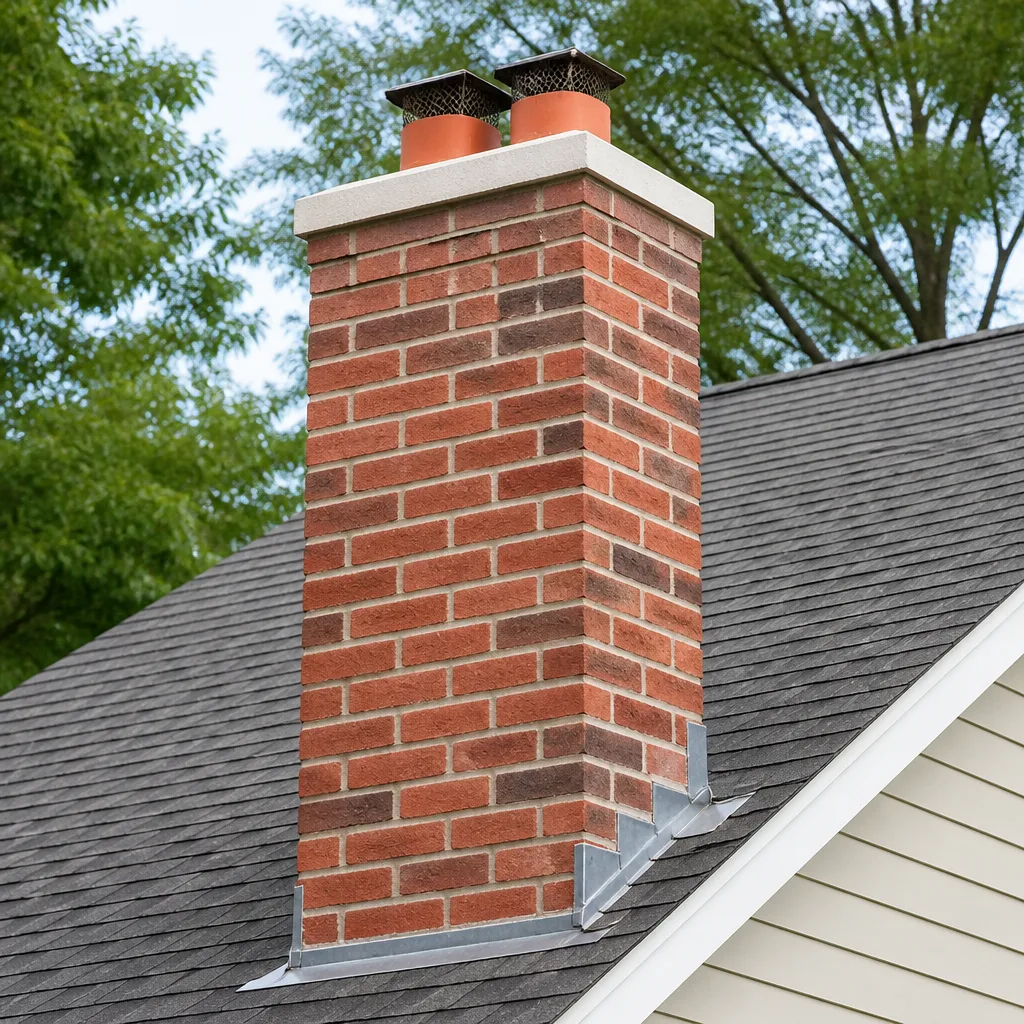 Masonry repair
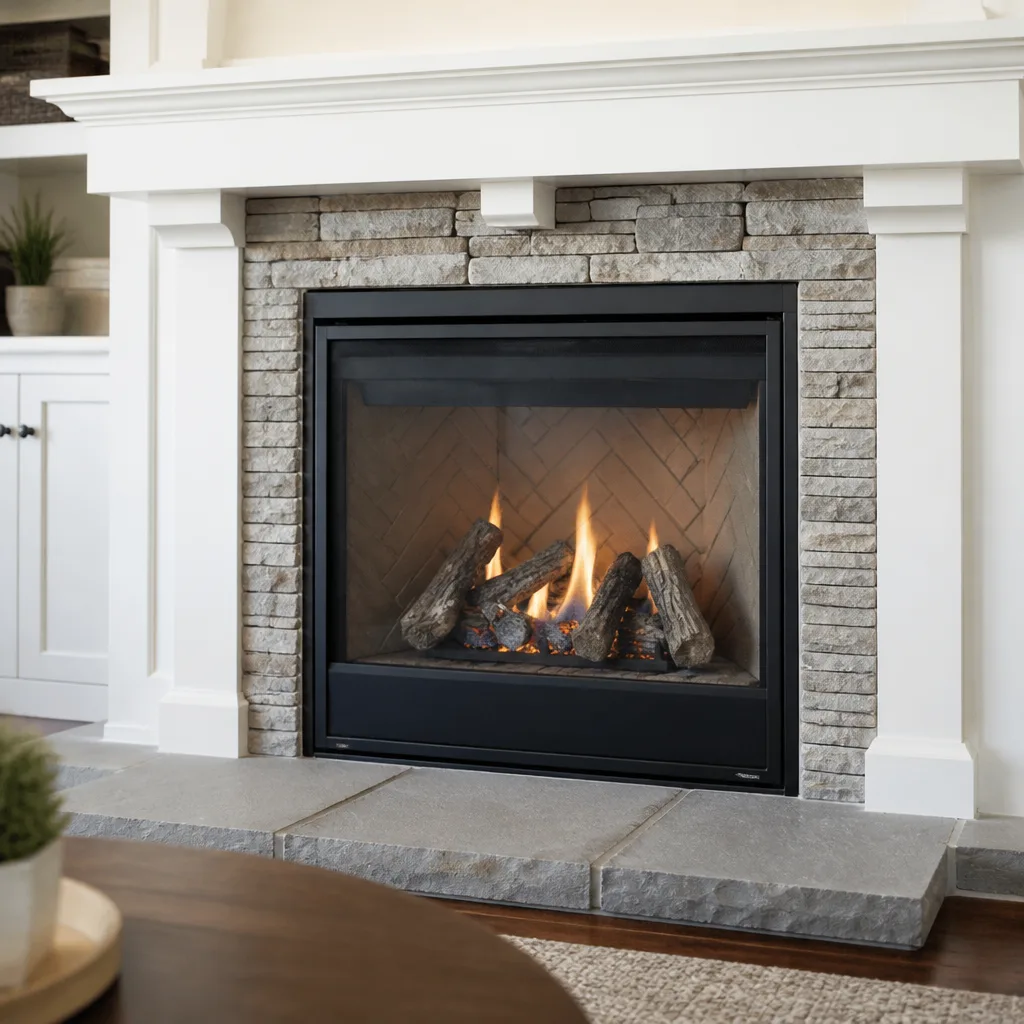 Gas fireplace service
Level 1 sweep and inspection to the NFPA 211 annual standard - flue, crown, cap, and flashing checked and photographed
Chimney sweep logs do not sweep chimneys. They loosen some creosote - which then falls where a brush and vacuum still have to collect it.
Chimney Cleaning Permits, Codes & Inspections in Knoxville, TN: What You Need to Know
Here’s the point most homeowners miss: a routine chimney cleaning in Knoxville needs no permit at all, but almost every repair that happens during the same visit does. The moment a flue liner gets swapped, a firebox gets rebuilt, or a damper gets replaced, you’ve crossed into permitted work. Plenty of contractors quietly skip that paperwork. The gap doesn’t show up until a buyer’s inspector asks about it or an insurer looks at a fire’s origin. This guide draws the line clearly: what triggers a permit in Knoxville, what “code compliant” actually means under NFPA 211 and IRC Section R1001, and how to verify prior work before you buy a home.
Quick Answer
Routine chimney sweeping in Knoxville does not require a permit. Repairs and modifications do – liner replacement, firebox rebuilding, damper changes, and most structural work generally require a building or mechanical permit from the City of Knoxville or Knox County, depending on jurisdiction. Inspections themselves need no permit, but a Level 2 inspection is typically expected during a real estate transaction, and NFPA 211 plus IRC Section R1001 set what a technician must verify for the system to count as code compliant.
Styles & brands we work with
- Sweep & inspection
- Caps & crowns
- Flue relining
- Masonry repair
- Gas fireplace service
Table of Contents
- What Triggers a Chimney Permit in Knoxville?
- How NFPA 211 and IRC Section R1001 Apply to Knoxville Inspections
- The Permit Paper Trail That Protects You at Resale
- What a Level 2 Inspection Requirement Means in Knox County Real Estate
- How to Check Knox County Property Records for Prior Chimney Work
- The Three Inspection Levels, Explained
- Why Knoxville’s Climate and Housing Stock Shape Chimney Wear
- Common Mistakes to Avoid
- When to Call a Professional
What Triggers a Chimney Permit in Knoxville?
A sweep and a repair can happen in the same visit, but only one of them needs paperwork. That’s the cleanest way to think about it. Cleaning removes creosote and soot from an existing flue. It changes nothing structural. Permits exist for work that changes the chimney itself, the venting path, or the firebox assembly – anything a future inspector or insurer could reasonably want a record of.
In Knoxville, permit jurisdiction depends on where the home sits. Properties inside the city limits generally fall under the City of Knoxville’s building and mechanical permitting process. Properties in the unincorporated parts of Knox County, or in one of the smaller municipalities, work through that jurisdiction’s own system. We tell every homeowner the same thing: before any repair is scheduled, ask your city or county building department what that specific job needs, and get the answer before the work starts, not after.
Chimney work that almost always triggers a permit:
- Full flue liner replacement, including switching liner material or diameter
- Firebox rebuilding or major firebox repair
- Damper replacement where the assembly or its mounting changes
- Adding a new chimney, stove connection, or venting path
- Structural repair to the chimney chase, crown, or masonry stack
- Changes to clearances from combustibles
Chimney work that typically doesn’t:
- Routine sweeping and creosote removal
- Level 1, 2, or 3 inspections
- Cap and crown installation as like-for-like weatherproofing
- Minor flue tile or mortar touch-ups that don’t alter the system
That last category trips people up. A cap replacement is one thing. Rebuilding the crown to change how it sheds water can shift into permit territory depending on how much structural masonry gets touched. If your contractor is unsure, the safe answer is to ask the building department directly. It costs nothing and prevents a headache two closings from now.
How NFPA 211 and IRC Section R1001 Apply to Knoxville Inspections
When a technician says your chimney is “code compliant,” what do they mean? Two documents do most of the work. NFPA 211 is the national standard for chimneys, fireplaces, vents, and solid fuel appliances. IRC Section R1001 is the International Residential Code’s chimney and fireplace chapter. Knoxville’s local code follows the general framework of both. Local amendments exist, and they’re why you should confirm with the Knox County or City of Knoxville building department for anything specific to your property.
So what does a code-compliant inspection actually require a technician to verify? At minimum:
- The flue has no cracks, gaps, or offset tiles that could let heat or gases reach combustibles.
- Clearances from the chimney to nearby framing materials meet the required separation.
- The firebox, damper, and smoke chamber are sound and sized correctly for the appliance.
- The chimney extends to the required height above the roofline and nearby structures.
- The cap is intact and the crown sheds water properly.
- Any appliance connected to the flue is properly vented and has no cross-connections.
We’ve seen plenty of Knoxville homes pass a previous owner’s “cleaning” but fail on clearances alone. Older homes in neighborhoods like Sequoyah Hills or Fourth and Gill sometimes carry chimney configurations that were fine when built but don’t match current expectations for separation from combustibles. That doesn’t mean every old chimney needs a rebuild. It does mean the inspection has to look for it, and the technician has to say so plainly.
Put another way – a good chimney sweep visit tells you the flue is clean. A proper inspection tells you whether the flue is safe to use.
The Permit Paper Trail That Protects You at Resale
Two chimneys can look identical from the driveway and mean completely different things at closing. A permitted liner replacement carries a signed-off record in the local building department’s system. An unpermitted one carries nothing. You’ll hear “disclose it and move on” from some sellers, but at resale the difference is real and it’s usually money.
Here’s why the permitted version is worth more:
- An inspector or buyer’s agent can verify the work actually happened and was inspected by the jurisdiction.
- A lender or insurer is far less likely to raise questions about permitted work than unpermitted work, and some carriers decline to cover unpermitted chimney modifications.
- If a fire ever originates in that chimney, the paper trail is the first thing an adjuster asks for.
- A future contractor working on the same chimney can see exactly what material and method was used, which prevents surprises during the next repair.
We’ve run into this often enough in Knoxville to keep it front and center. Homeowners who’ve had a liner swapped out during a “quick repair” and only find out later there’s no permit on file end up paying a second time to document what’s there and bring it into compliance. It’s not a scare tactic. It’s a practical pattern. Get the permit pulled the first time and the resale conversation goes a lot smoother.
If a contractor tells you a liner replacement doesn’t need a permit in Knoxville, ask them to put that in writing. If they won’t, that’s your answer.
What a Level 2 Inspection Requirement Means in Knox County Real Estate
A Level 2 inspection is not a formality in a Knox County real estate transaction. In practice, it’s often the only chance a buyer has to understand what’s happening inside a chimney they’re about to own. It’s more involved than a standard cleaning visit because it looks at parts of the system a routine sweep never touches.
What a Level 2 inspection includes:
- A visual inspection of the accessible portions of the chimney exterior and interior
- Inspection of accessible areas of the attic, crawlspace, and any connected appliances
- Video scanning of the flue interior to spot cracks, gaps, and offset tiles
- A review of the chimney’s clearances from combustibles and its relationship to the structure
- A written report noting what was found, what’s acceptable, and what needs attention
A Level 2 is typically called for when:
- A property changes hands
- An appliance is replaced or a different fuel type is connected
- An earthquake, chimney fire, or significant storm may have caused damage
- A prior inspection turned up a concern that needs a closer look
Sellers benefit from this as much as buyers. A clean Level 2 report on record removes the biggest unknown from the buyer’s list and heads off a renegotiation at the eleventh hour. Buyers get something better than a verbal “it looks fine” – a documented look at the actual flue, often with photos or a video scan they can keep.
One note on the permit angle. A Level 2 inspection doesn’t replace a permit check. It documents current condition. The permit record tells you what was legally done and when. For a real estate transaction you generally want both.
How to Check Knox County Property Records for Prior Chimney Work
You can look up permit history yourself before you buy, and it doesn’t require special access. It just takes a little patience. Here’s the process:
- Find the property’s parcel number. That’s on the county assessor’s property search site, and most listing sheets carry it.
- Search the Knox County property records or the City of Knoxville permit portal by address or parcel number. Unincorporated county and city parcels can live in different systems, so check both.
- Look for permits tied to chimney, fireplace, flue, or masonry at that address. Not every system labels them the same way. Search for “chimney,” “liner,” “fireplace,” “vent,” and “masonry” as well as the parcel number.
- Cross-check the dates on any permits you find against the seller’s disclosures. A liner installed in 2019 should have a permit dated around 2019. Mismatches are worth a question.
- If you find chimney work with no matching permit, ask the seller for the contractor’s name and any paperwork they have. Written warranties and receipts still count, even if the permit is missing.
- Bring the findings to the inspection. A chimney professional can tell you whether what’s physically present matches what was approved.
Two things to expect. First, records for older unincorporated county parcels can be thin or missing entirely, especially for work done decades ago. A missing permit on a 1985 build isn’t the same red flag as a missing permit on a two-year-old liner. Second, some remodeling permits cover multiple trades. If a chimney repair was part of a larger renovation (a kitchen remodel that added a stove, for example), the permit may exist under the general remodeling permit rather than a chimney-specific one. Read the whole permit, not just the title.
If the records are unclear, an on-site inspection is how you get to a real answer. That’s usually how a chimney inspection becomes the deciding document before closing.
The Three Inspection Levels, Explained
There are three recognized inspection levels, and each answers a different question. Knowing which one you need saves time and avoids paying for the wrong visit.
Level 1 is the basic annual check. It covers the accessible flue and firebox, plus the chimney exterior as visible from the ground. It assumes the chimney is in normal service and the appliance hasn’t changed. Most well-kept chimneys in Knoxville in routine use fall into this category. If you’re getting an annual visit anyway, a Level 1 inspection is usually part of it.
Level 2 is the transaction and change-of-use inspection. It adds video scanning of the flue interior and looks at accessible attic and crawlspace areas. Level 2 is what a Knox County real estate transaction usually calls for, and it’s what’s typically needed if you’re switching fuel type, installing a new appliance, or reacting to a possible event in the chimney’s history.
Level 3 is the diagnostic level for a specific, identified concern. If a Level 1 or Level 2 turned up a problem that can’t be resolved with accessible areas, a Level 3 inspection may call for opening a wall, removing part of a chimney chase, or otherwise accessing concealed portions to see what’s happening. It’s the least common of the three and it’s typically tied to a defined problem, not a routine check.
Matching the level to the situation is a big part of what separates a proper visit from a “look-and-say-it’s-fine” visit. We’ve seen plenty of Knoxville closings get delayed because the wrong level was ordered – usually a Level 1 when a Level 2 was called for – and it’s easy to avoid by asking for the level in writing before you schedule.
Why Knoxville’s Climate and Housing Stock Shape Chimney Wear
Knoxville sits in a valley with humid summers, cold snaps in winter, and a long shoulder season where homeowners burn intermittently. That pattern matters for chimney condition. A wood-burning chimney that’s fired up hard during a cold snap and then sits idle for weeks builds different wear than one that burns steadily through a full winter. Alternating moisture and dry heat is hard on masonry joints and liners, and it’s a big reason crowns and caps see more cracking in this region than in a consistently dry climate.
Local housing stock adds its own wrinkles. Older neighborhoods like Old North Knoxville and Fourth and Gill carry brick chimneys built for original fireplace configurations. Some have been relined over the years. Others haven’t. Homes in newer developments around Farragut and Hardin Valley tend to have factory-built chimney systems and vented gas appliances, which have different inspection priorities. Neither situation is inherently worse, but the inspection has to be matched to what’s actually there.
The Tennessee Valley’s storm season contributes too. Summer storms and winter ice events can crack crowns, loosen caps, and open joints around the chimney chase. A chimney that was fine at the last annual inspection can pick up a real problem in a single season. This is one of the reasons we don’t just recommend inspections once and forget them. The condition of the chimney the day the weather shifts isn’t the condition of the chimney next spring.
Humidity deserves a specific note. In this region the summer humidity load is real, and masonry that stays wet for extended periods deteriorates faster. A proper cap and a well-built crown that sheds water are the two best defenses against moisture-driven damage. That’s part of why we treat cap and crown work as one of our five core services rather than an add-on. When we quote chimney cap & crown work, the goal is to stop the water problem at the source rather than patch whatever it’s already damaged.
Common Mistakes to Avoid
- Assuming sweeping and repair live in the same permitting bucket. A sweep needs no permit. A liner replacement does. Don’t let a “quick repair” skip the paperwork.
- Trusting a verbal “it doesn’t need a permit” over the building department. The city or county is the authority. If your contractor is willing to put it in writing that no permit is needed, that’s one thing. If not, call the department yourself.
- Buying a Knoxville home without checking permits for prior chimney work. The property record search is free and it takes half an hour. Skipping it can cost real money after closing.
- Ordering a Level 1 when the situation calls for a Level 2. Real estate transactions and appliance changes generally mean Level 2. Ordering the lower level is a common shortcut that leaves the flue unseen.
- Replacing a flue with the cheapest liner available. Hardware-store substitutes and commercial-tier components are not the same product. The cheaper liner is often what triggers the next repair.
- Skipping the cap and crown. Cleanings don’t fix water intrusion. If the cap is broken or the crown is cracked, the chimney is degrading every season, and a cleaning won’t stop that.
- Accepting a compromise repair when a proper one exists. Ceramic restoration using HeatShield is an example – it’s a documented option for liner restoration that many sweep-only companies can’t offer. Ask what your options are before you commit to a full reline.
When to Call a Professional
Call a professional when the situation passes a routine sweep: any work that touches the liner, firebox, damper, crown, or structural masonry. Call when a home is changing hands and a Level 2 inspection needs to be on record before closing. Call when an insurance company or lender asks for documentation and there isn’t any. Call when a “cleaning” turns up damage the previous contractor didn’t address, or when something in the chimney doesn’t match what the property record says.
And call when you’re not sure. That’s the most common call we get. A homeowner doesn’t need to diagnose the problem before picking up the phone. Describe what’s happening and where the house is, and we’ll tell you what level of inspection makes sense. Knoxville Chimney Sweep Pros offers free estimates in Knoxville – call (855) 726-7247. We answer 24/7. Fast dispatch from 7am to 7pm, Sunday through Friday.
See the difference
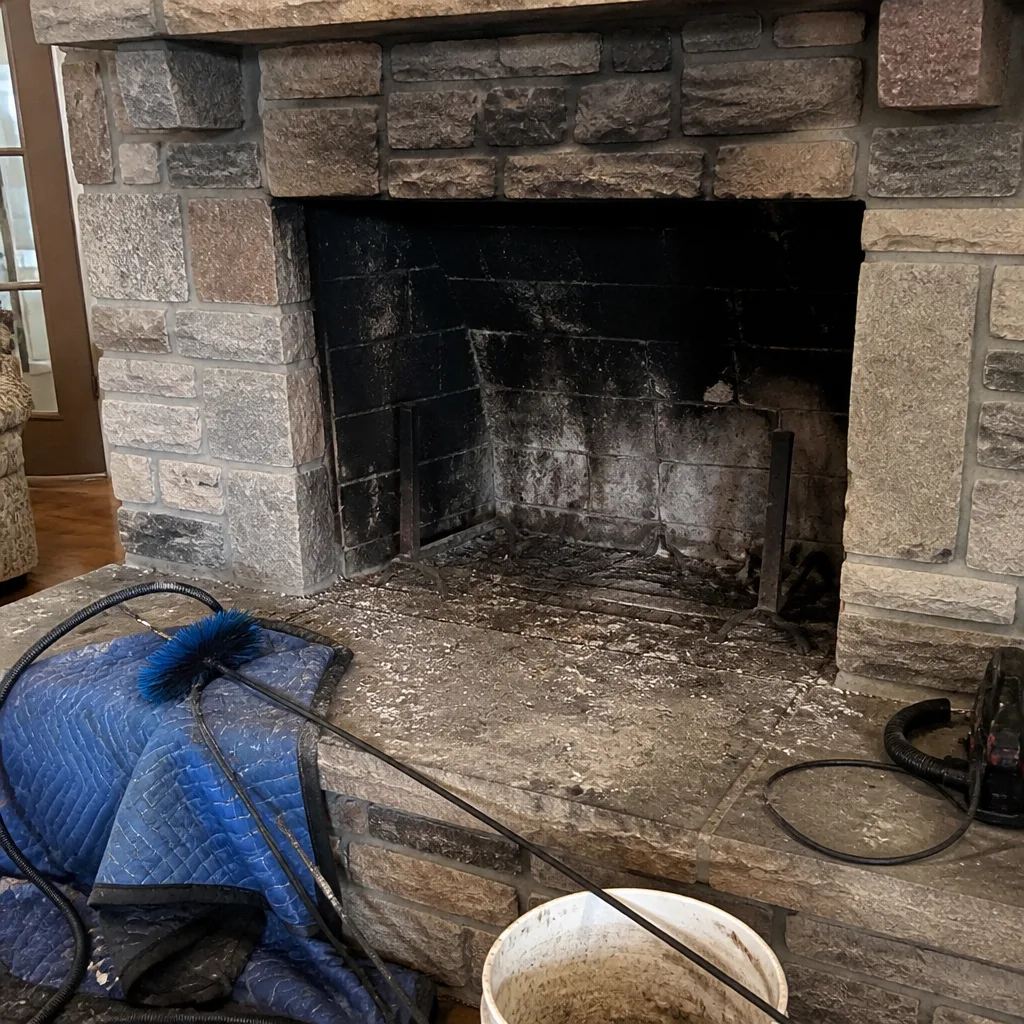 Before
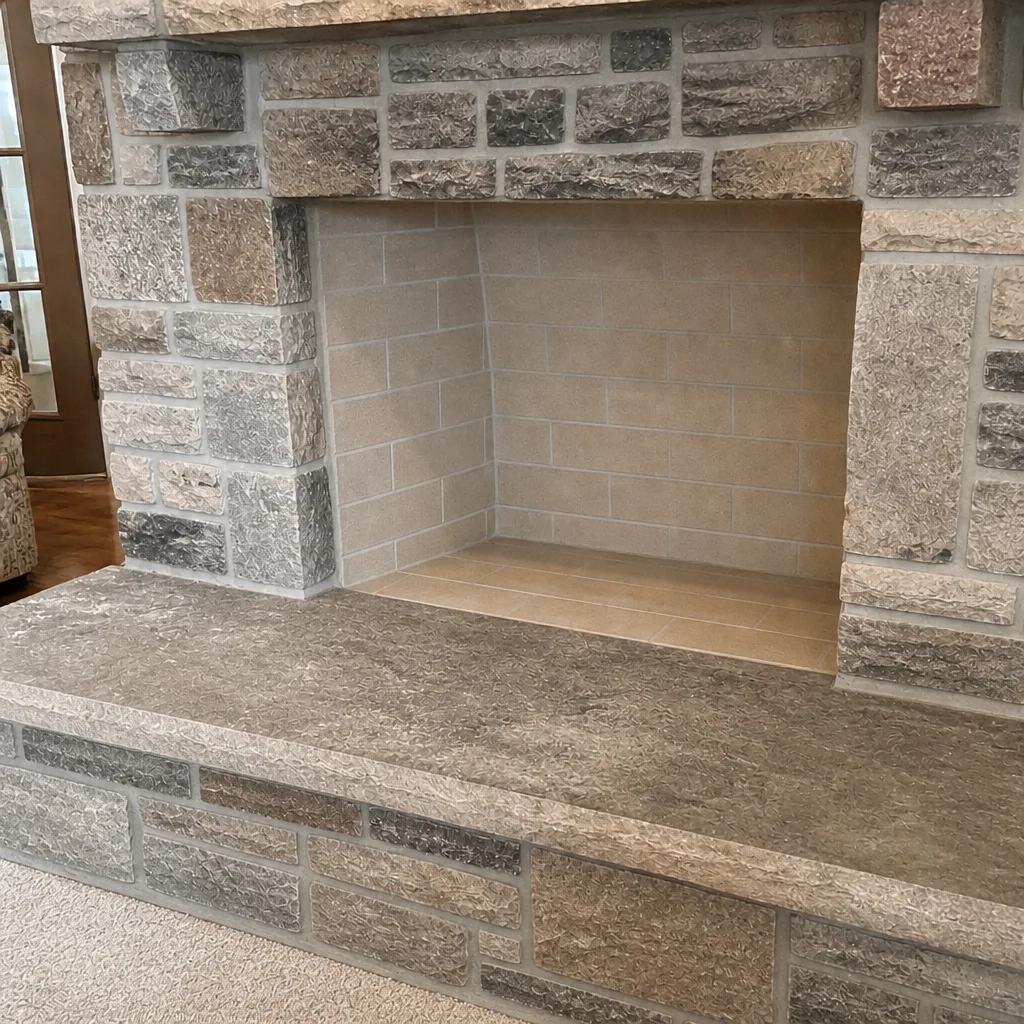 After
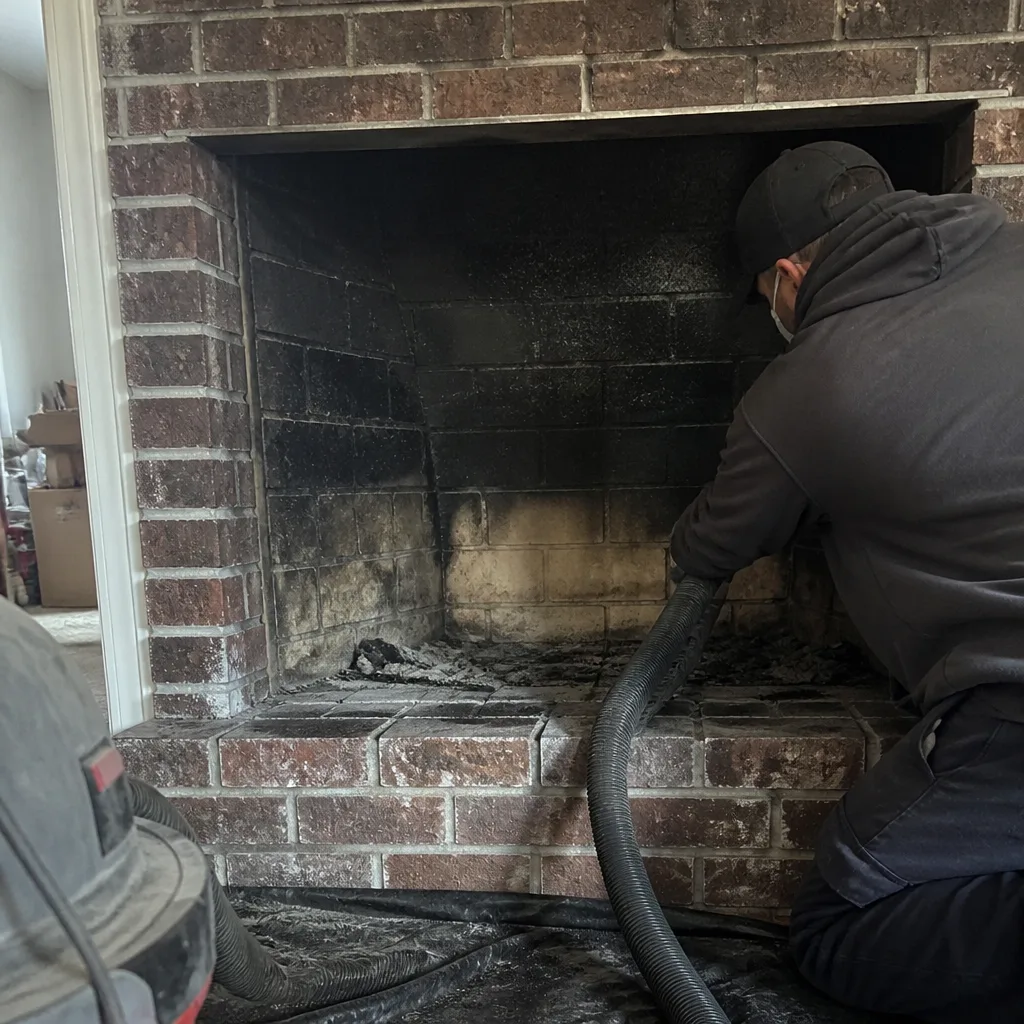 Before
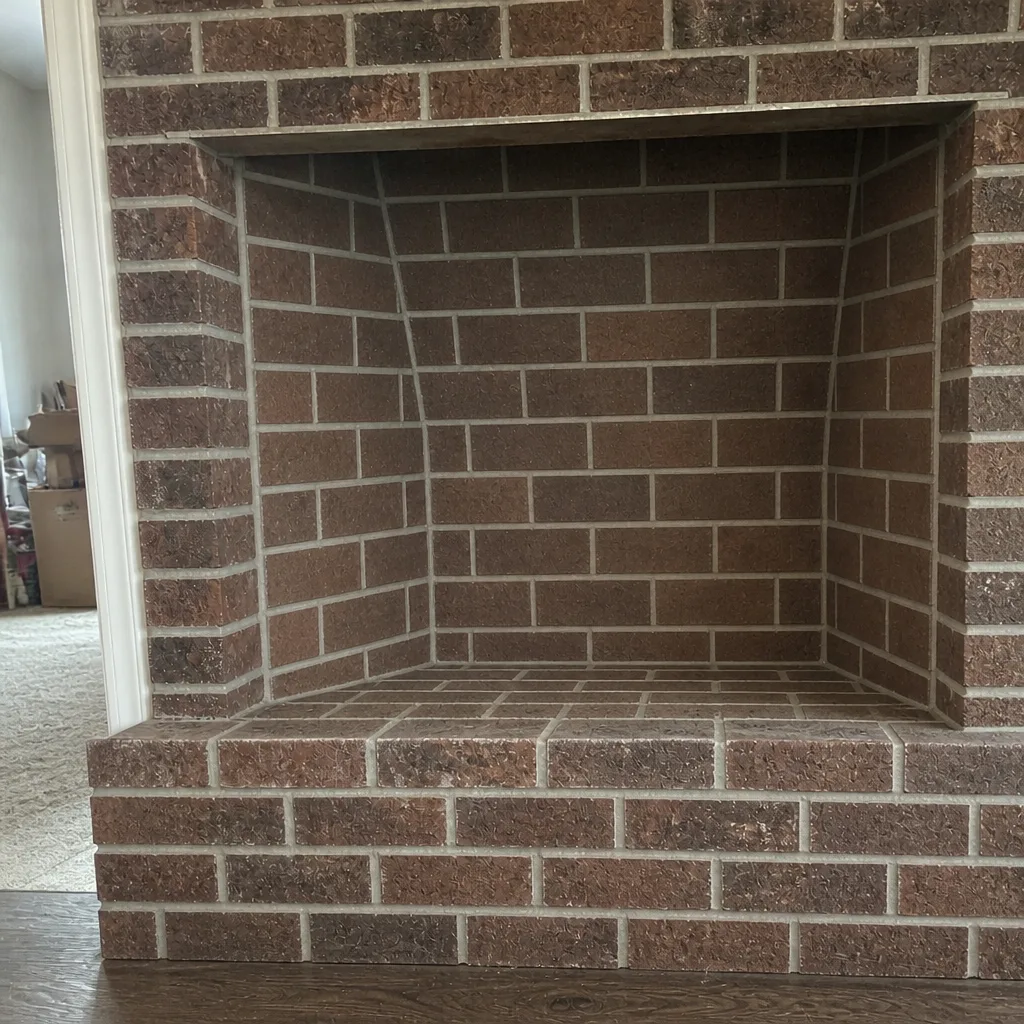 After
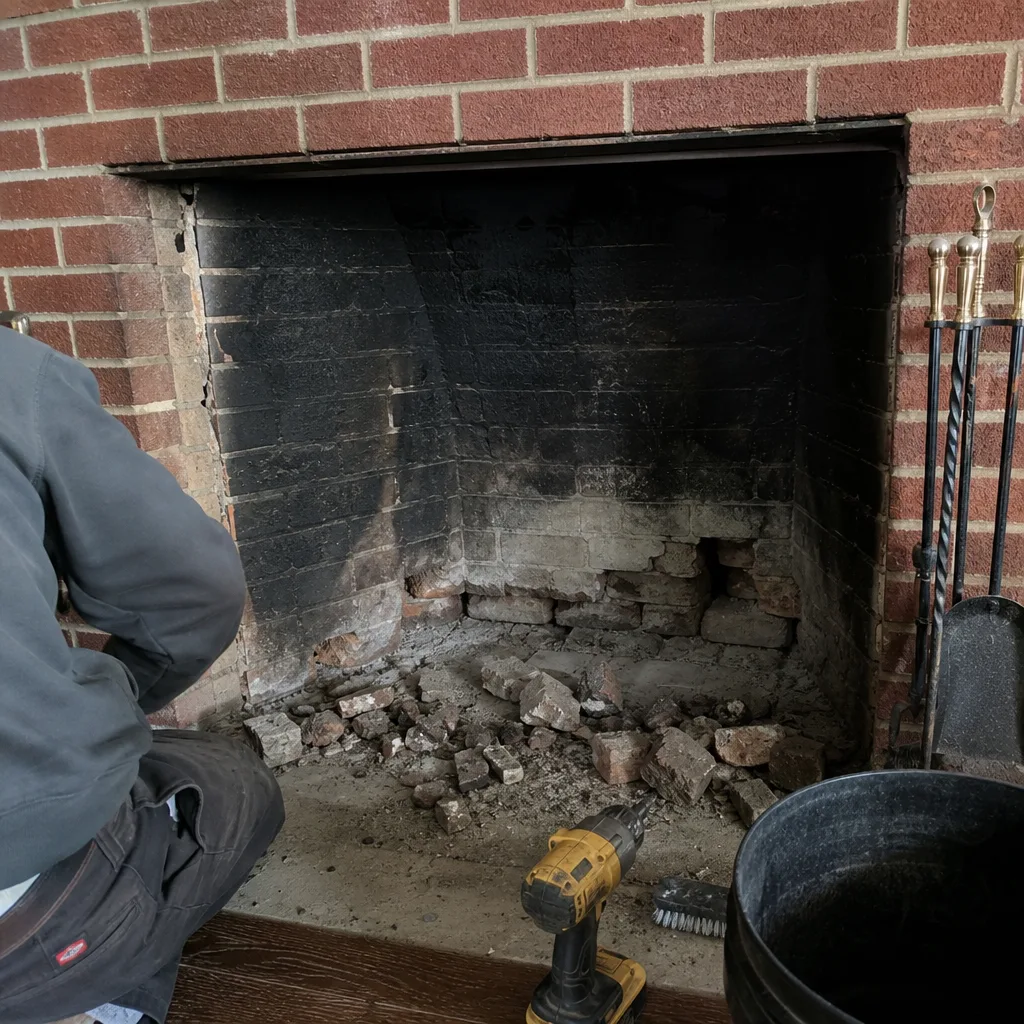 Before
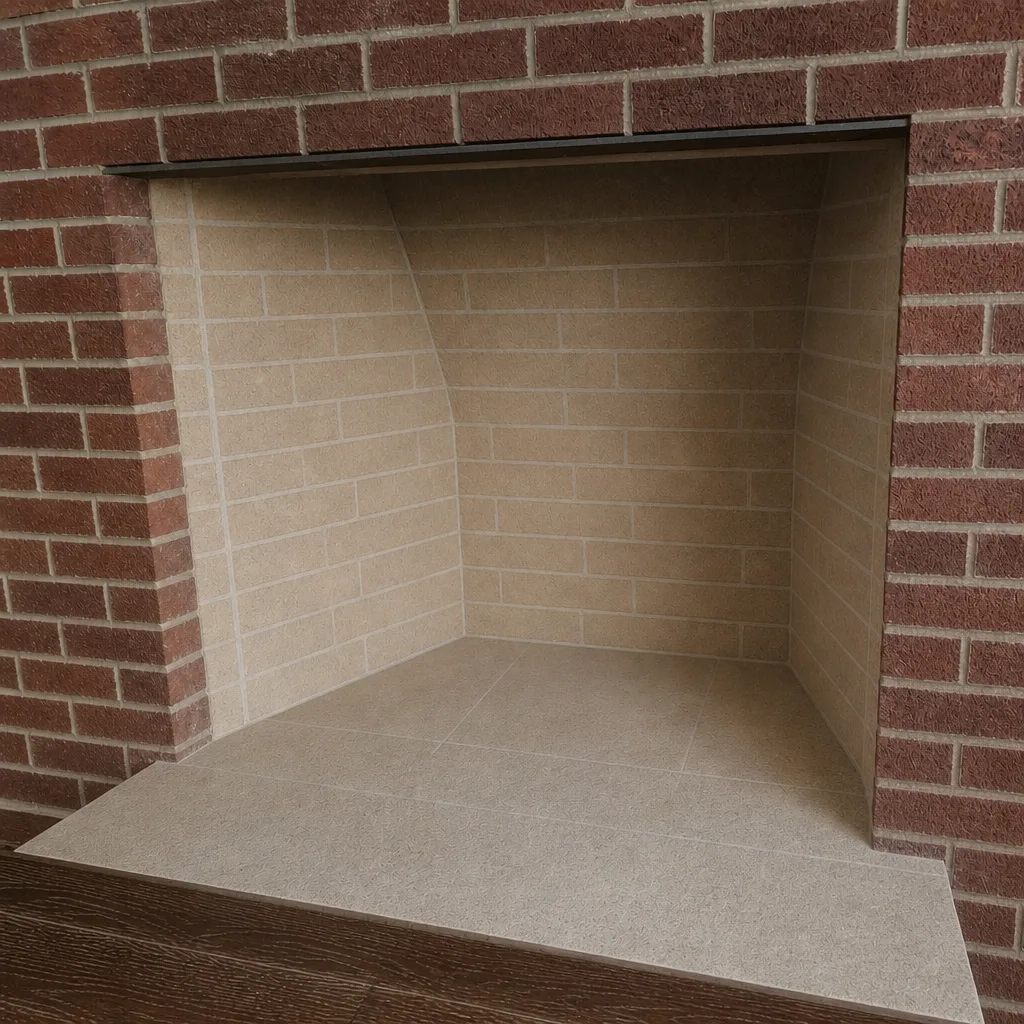 After
Frequently Asked Questions
No. Routine chimney cleaning and sweeping do not require a permit in Knoxville. Sweeping removes creosote and soot from an existing flue without altering the system. The moment the visit includes a repair or modification – a liner replacement, a firebox rebuild, a damper change, or structural masonry work – you’re typically in permit territory. Call (855) 726-7247 for an exact quote – estimates are free.
In most cases, yes. A liner replacement changes the venting path of the chimney, which is what the permit process exists to document. Unpermitted liner work can cause problems later at resale, with lenders, and with your homeowner’s insurance if a fire ever originates in that chimney. Ask your city or county building department specifically about your address before scheduling the work. Call (855) 726-7247 for an exact quote – estimates are free.
A Level 1 covers the accessible flue, firebox, and chimney exterior as visible from the ground, and it’s the standard annual check. A Level 2 adds video scanning of the flue interior and looks at accessible attic and crawlspace areas; it’s the level typically called for in real estate transactions and appliance changes. A Level 3 is a diagnostic inspection for a specific identified concern that requires opening a wall or accessing concealed portions. If you’re unsure which level you need, call (855) 726-7247 – estimates are free.
Search the property’s parcel number on the Knox County property records site and the City of Knoxville permit portal. Both systems can hold permits for the same address depending on where the home sits. Look for permits labeled “chimney,” “liner,” “fireplace,” “vent,” or “masonry,” and also check for larger renovation permits that may have covered chimney work as part of a broader project. If the records are unclear, an on-site inspection can tell you what’s actually there. Call (855) 726-7247 for an exact quote – estimates are free.
It’s not a legal requirement in Knox County, but a Level 2 inspection is very commonly expected by buyers, their agents, and their lenders in a real estate transaction. Sellers who have a clean Level 2 report on record usually have a smoother closing. Buyers who order one have a documented look at the actual flue rather than a verbal “it looks fine.” Call (855) 726-7247 for an exact quote – estimates are free.
Skipping an inspection means creosote buildup, cracked flue tiles, and water-damaged crowns can go unnoticed until something fails. Chimney fire risk and carbon monoxide risk both live in that gap, and the damage is usually cheaper to address the earlier it’s caught. That’s the reason to act. It’s also accurate to say that not everything an inspection flags needs immediate work. If a repair can safely wait, we’ll say so. Call (855) 726-7247 for an exact quote – estimates are free.
The Bottom Line
Routine chimney cleaning in Knoxville needs no permit, but most repairs do. That’s the line to hold onto. A permitted liner replacement carries a record that protects you at resale, at closing, and with your insurer. An unpermitted one carries nothing. Verify the permit path with your city or county building department before any repair starts. Confirm the inspection level – Level 1 for routine, Level 2 for transactions and appliance changes – and get it in writing. And check the Knox County property records before you buy. If anything is unclear, an on-site visit resolves it. Knoxville Chimney Sweep Pros handles the full lifecycle, from sweep to cap and crown, with trade-grade materials like HeatShield, Gelco, Olympia Chimney, and Famco. Call (855) 726-7247. We answer 24/7. Fast dispatch from 7am to 7pm, Sunday through Friday.
Written by the team at Knoxville Chimney Sweep Pros.