
Last updated November 25, 2026
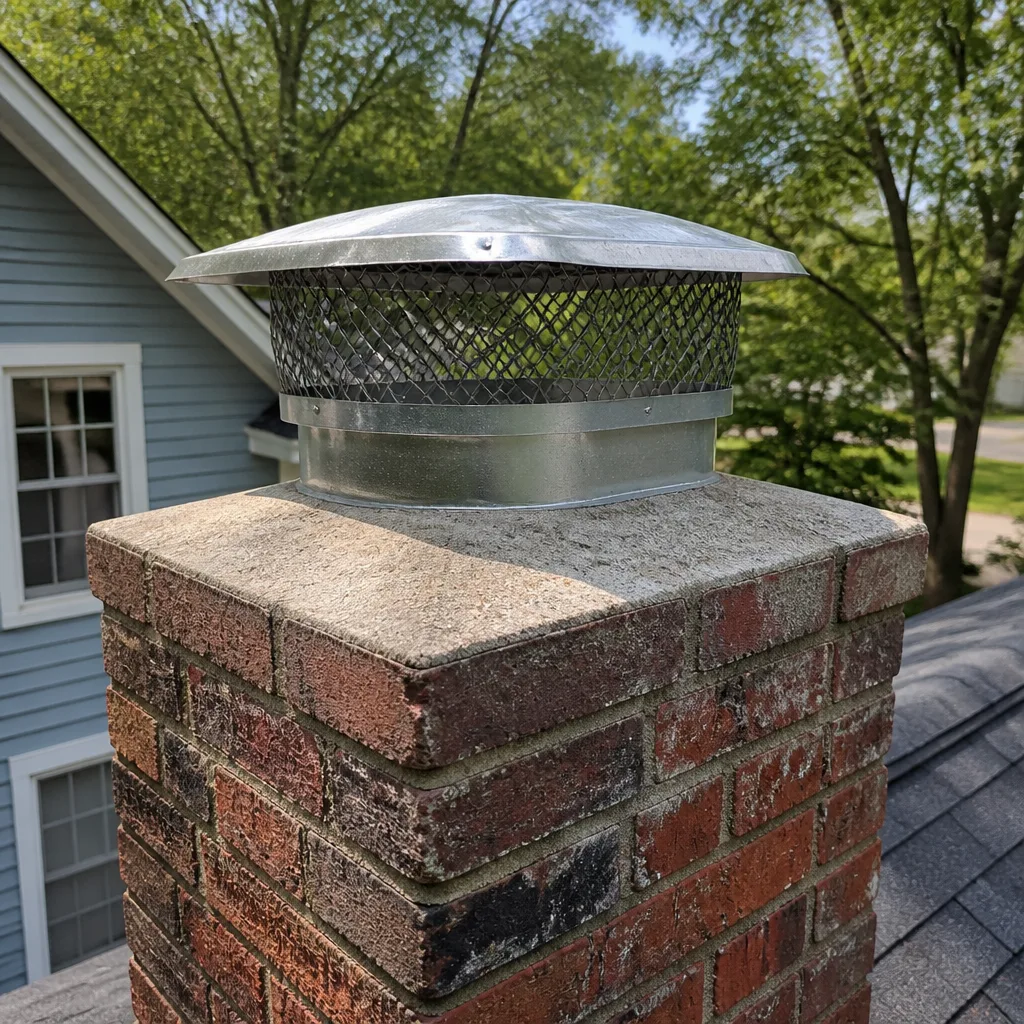 Sweep & inspection
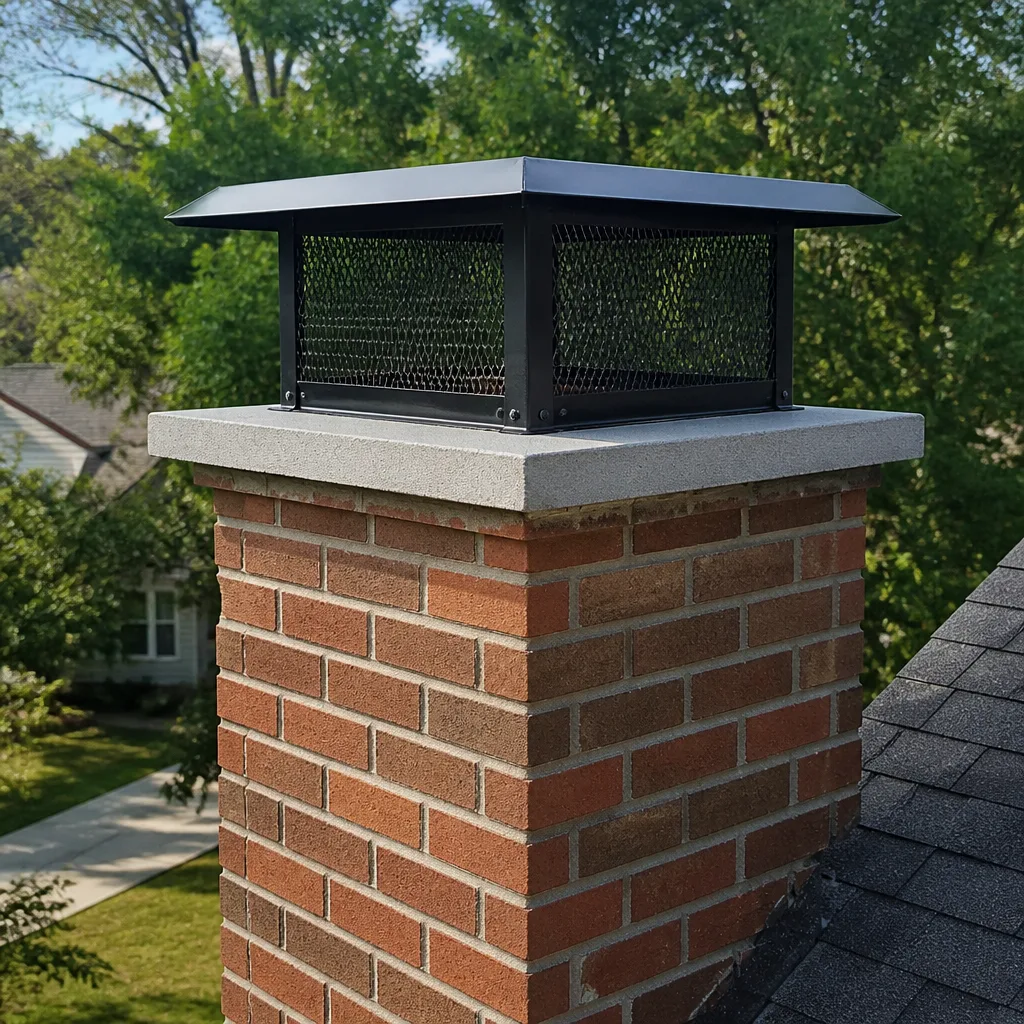 Caps & crowns
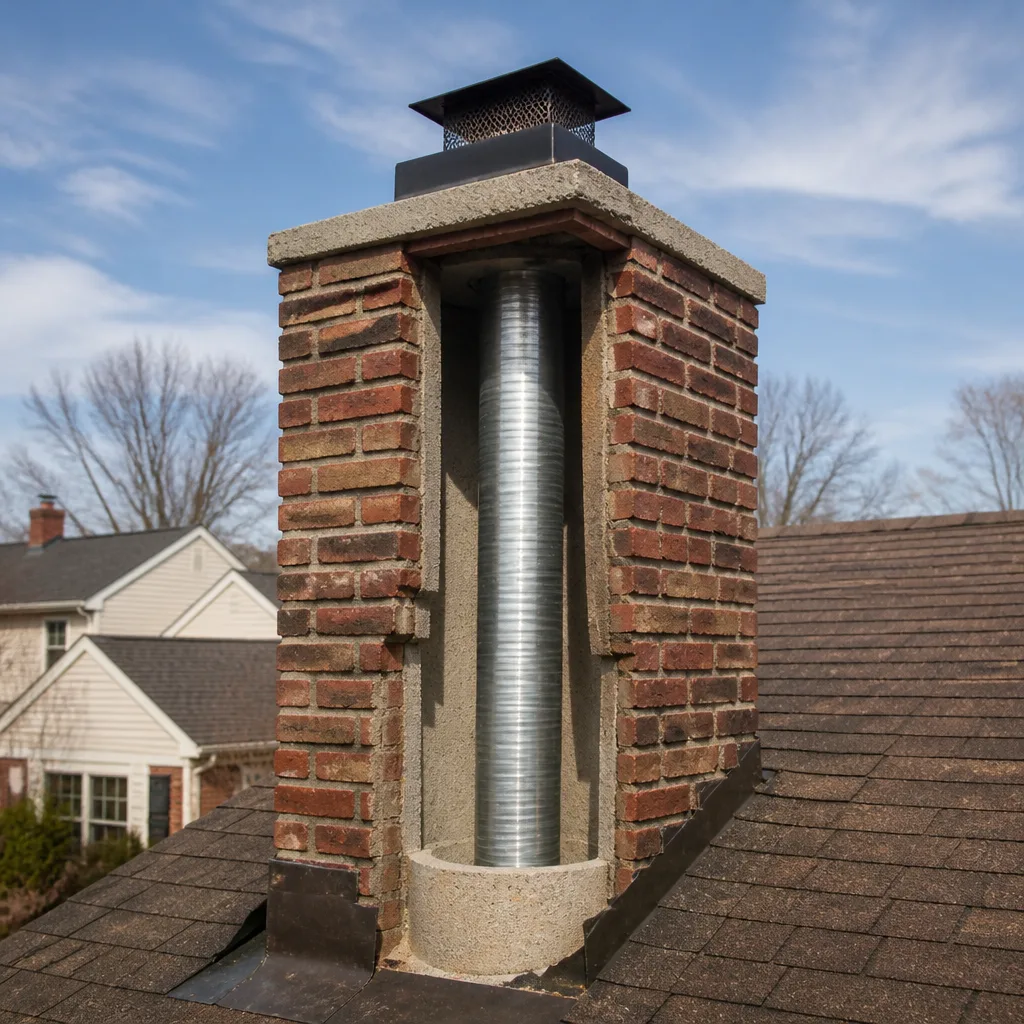 Flue relining
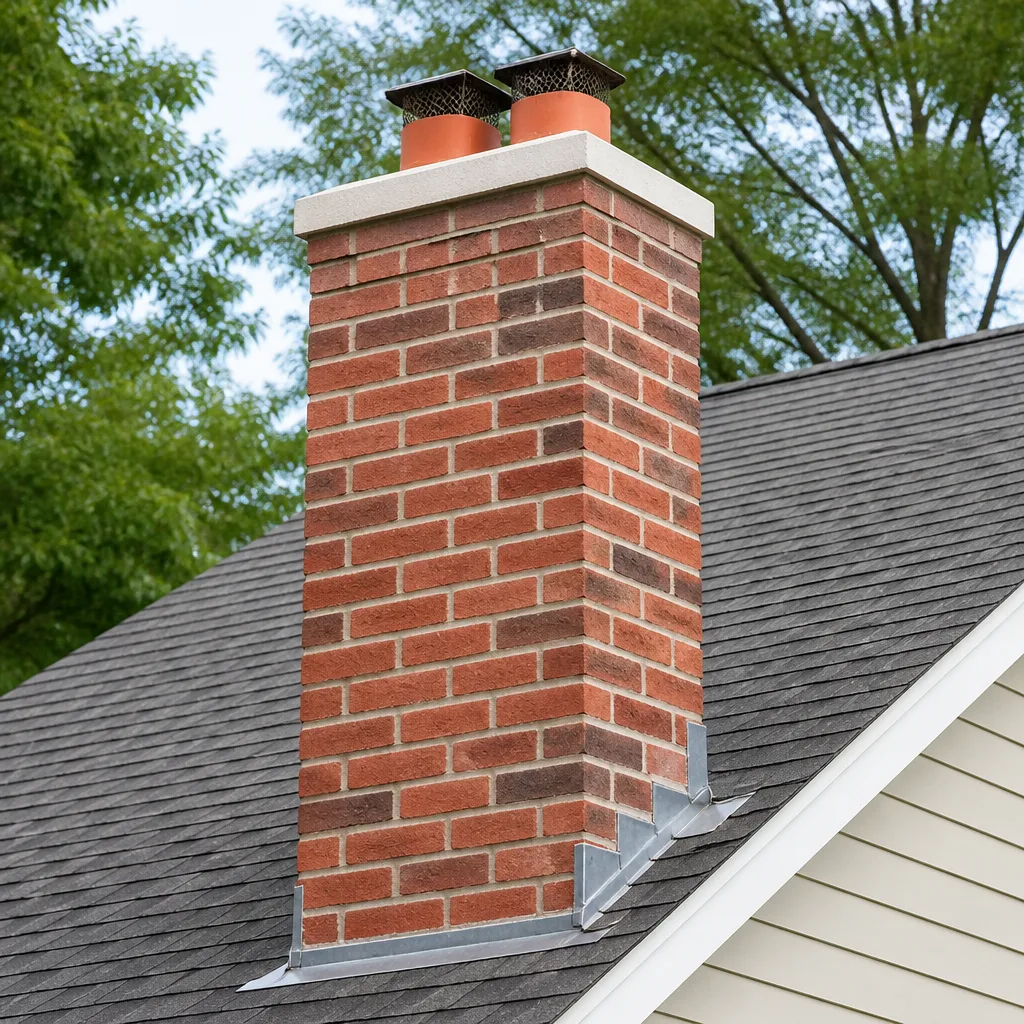 Masonry repair
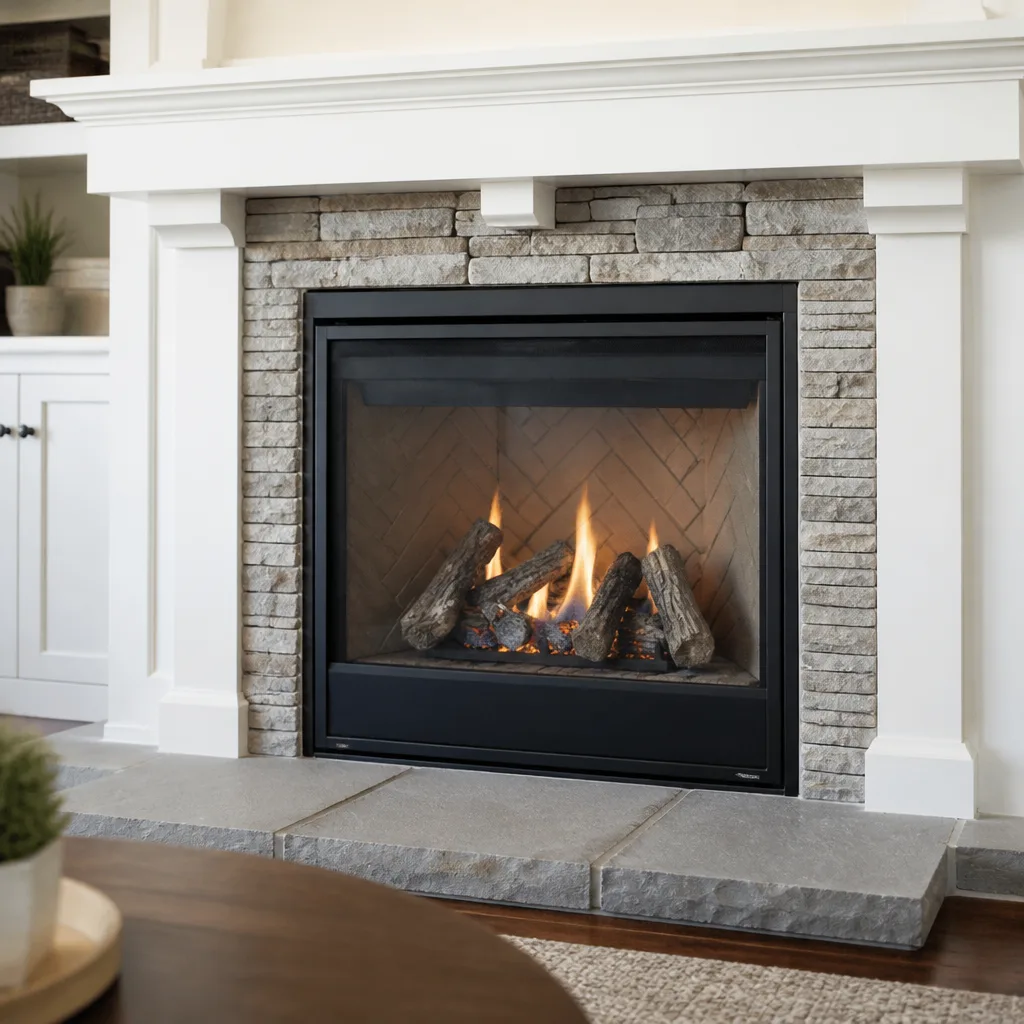 Gas fireplace service
Level 1 sweep and inspection to the NFPA 211 annual standard - flue, crown, cap, and flashing checked and photographed
Chimney sweep logs do not sweep chimneys. They loosen some creosote - which then falls where a brush and vacuum still have to collect it.
How to Hire a Chimney Cleaning Contractor in Knoxville: A Step-by-Step Guide
Tennessee does not require a state license to sweep chimneys. Anyone with a van and a rotary brush kit can call themselves a chimney sweep in Knoxville tomorrow. That single fact changes how you should shop for this service. There’s no license board to check, no state exam to verify, no enforcement agency that confirms the person on your roof knows what they’re looking at. The vetting burden falls entirely on you, the homeowner. This guide gives you the specific credentials worth verifying, the five questions to ask before you book, why the cheapest quote in Knoxville usually skips the inspection, and what a legitimate written estimate should contain. We’ll also explain how to read reviews for chimney work specifically, so a handyman’s star count doesn’t fool you. Our technicians have up to 14 years of experience doing exactly this work, and we know what separates a real specialist from a generalist with a brush set.
Quick Answer
To hire a chimney cleaning contractor in Knoxville, verify independent credentials first (CSIA Certified Chimney Sweep and NFI certification, checked directly with the issuing organization, not just on a business card), then require a camera-based inspection with photo documentation, a written itemized scope of work, and a clear answer on what happens if damage is found mid-job. A legitimate sweep includes an inspection component, not just cleaning. If a quote seems too cheap to cover both, it probably doesn’t. Ask the five questions in this guide and you’ll filter out most of the risk before anyone steps on your roof.
Styles & brands we work with
- Sweep & inspection
- Caps & crowns
- Flue relining
- Masonry repair
- Gas fireplace service
Table of Contents
- Why Tennessee Has No Chimney Sweep License (and What That Means for You)
- What CSIA and NFI Credentials Actually Mean, and How to Verify Them
- The Five Questions to Ask Before Booking a Knoxville Chimney Sweep
- Why the Cheapest Quote in Knoxville Usually Skips the Inspection
- How to Read Reviews for Chimney Work (Not Handyman Stars)
- What a Legitimate Written Estimate Looks Like
- The Knoxville Climate Factor: Why Chimneys Here Age the Way They Do
- Buying a House in Knoxville? Add the Chimney to Your Inspection List
Why Tennessee Has No Chimney Sweep License (and What That Means for You)
Tennessee does not issue a state license for chimney sweeps, and that’s the starting point for every hiring decision you’ll make. In licensed trades, the state does part of your vetting for you: you can look up a license number, confirm it’s active, and check for complaints. In chimney work, none of that exists. The person who shows up could be a career specialist with a camera, a moisture meter, and years of diagnostic experience, or a general handyman who bought a brush last month. The state treats them the same.
What this means practically is that credentials become the only objective signal you have, and you have to verify them yourself rather than accepting a logo on a quote sheet. It also means the trade splits into two rough camps. There are companies that treat a chimney as a system: flue, liner, crown, cap, firebox, and masonry all checked together, because a problem in one place usually signals stress in another. And there are companies that treat it as a cleaning task: run the brush, collect the soot, collect the check, leave. Both will call themselves chimney sweeps.
Knoxville has a large stock of older homes, and in our experience that’s where the split matters most. A house built decades ago may have a clay tile liner with hairline cracks, a crown that’s pulled away from the flue, or a firebox that’s been patched with mortar that isn’t rated for heat. A cleaning-only visit doesn’t surface any of that. A system-level inspection does. Your job as a homeowner is to know which kind of visit you’re buying before you book it.
The good news: the absence of licensing means the good contractors in Knoxville compete on credentials and documentation. Ask for both and the specialists stand out immediately.
What CSIA and NFI Credentials Actually Mean, and How to Verify Them
Two credentials carry real weight in this trade: CSIA Certified Chimney Sweep and NFI certification. Neither is issued by the state, both are issued by independent trade organizations, and both can be verified directly with the issuing body through their public directories. That last point is what makes them useful. You don’t have to trust the card. You can look it up.
CSIA certification comes from the Chimney Safety Institute of America. It requires passing an exam, committing to a code of ethics, and maintaining ongoing education to keep the credential current. A CSIA-certified sweep has demonstrated knowledge of venting, combustion, and the causes of chimney fires, not just how to run a brush. NFI certification comes from the National Fireplace Institute and focuses on the appliance side: wood, gas, and pellet systems, how they vent, and how they should be installed and serviced. Together they cover the two halves of the chimney system: the flue and the appliance that feeds it.
Here’s how to verify them independently. This takes about five minutes:
- Ask for the technician’s full name and the certification number, not just the company name.
- Go to the CSIA or NFI website directly. Don’t use a link the contractor sends you.
- Search the public directory for that name or number.
- Confirm the credential is active, not expired or lapsed.
- Confirm the certification belongs to the person doing the work, not just a former employee of the company.
One nuance worth knowing: certification is individual, not corporate. A company can advertise “CSIA certified” while the certified technician stays in the office and an uncertified helper does the roof work. Asking who will actually perform the inspection is a fair question, and a good contractor will answer it without hesitation. We work with professional-grade equipment and materials from brands like Olympia Chimney and DuraFlex specifically because those product lines are what certified specialists use. It’s a sign of a system-level operation, not a cleaning-only one.
The Five Questions to Ask Before Booking a Knoxville Chimney Sweep
These five questions separate a specialist from a generalist faster than any other screening method. Ask them before you book, ideally on the phone, and listen for specific answers rather than warm reassurances.
- Does the sweep include a liner inspection, or is cleaning separate? A real sweep includes visual inspection of the flue, and many jobs call for a camera inspection on top of that. If inspection is a separate add-on line item, that’s fine as long as it’s disclosed upfront, but a quote that’s cleaning only with no inspection option at all is a red flag.
- Will I get camera documentation? Photos or video of the flue interior, shared with you before any work is recommended. This is the single best protection against being sold a liner you don’t need. If a contractor can’t show you the inside of your chimney, you have no way to verify anything they say.
- Can I see a written scope of work before the appointment? It should state what’s included, what’s not, and what the inspection will cover. Verbal-only quotes leave the scope undefined, which is where surprise charges come from.
- What happens if you find a problem mid-job? The answer you want is that work stops, you’re shown the evidence, and you approve anything additional in writing before it proceeds. Nobody should be adding charges to your bill after the fact without your sign-off.
- Will the person doing the work be CSIA or NFI certified, and can I verify that? Covered above, but it’s the question that anchors the other four.
If a contractor answers all five clearly, you’re already ahead of most of the market. If they get vague on questions 2 and 4, that’s usually where the problems live. In our experience the homeowners who get burned are rarely the ones who asked too many questions. They’re the ones who booked the cheapest quote without asking any.
Why the Cheapest Quote in Knoxville Usually Skips the Inspection
The cheapest quote in Knoxville is almost always a cleaning-only sweep, and the cost of that shortcut shows up later, in the form of damage that went undiagnosed. Here’s the logic. A proper visit involves time on the roof, a camera inspection of the flue, checking the crown and cap, examining the firebox and damper, and writing up findings with photos. That takes skill and equipment. A cleaning-only visit is a brush, a vacuum, and an hour of labor. One of those can be priced much lower, and it will be.
What you actually lose by choosing the cheaper option:
- No diagnosis of liner condition. Cracked or deteriorating liners are the most common serious issue in older Knoxville homes, and you can’t find them with a brush.
- No crown or cap assessment. These are the leading entry points for water, and water is what destroys masonry chimneys over time. A cleaning-only sweep never looks at them.
- No record of what was found. No photos means you have nothing to compare against next year, and no way to prove a problem was pre-existing.
- No early warning. Small issues (a hairline crack, a loose crown edge, a damper that no longer seals) are cheap to fix early and expensive to fix later. Cleaning-only visits miss them all.
The trade-off is real in the other direction too. A quote that’s dramatically higher than everyone else without explaining why is also worth questioning. The right answer isn’t the cheapest or the most expensive. It’s the one that clearly states what’s included, offers camera documentation, and prices inspection as part of the visit rather than an afterthought. If you’re being asked to approve liner work, ask to see the footage. If a contractor hesitates, that tells you what you need to know.
How to Read Reviews for Chimney Work (Not Handyman Stars)
Review counts are inflated by adjacent work, so read for chimney-specific language rather than star averages. A company that does HVAC, handyman work, gutter cleaning, and chimney sweeps can post hundreds of reviews while only a small fraction involve actual chimney work. Those general reviews raise the star count without telling you anything about chimney competence.
Here’s what to look for when you read:
- Chimney-specific keywords in the review text. “Sweep,” “liner,” “crown,” “cap,” “inspection,” “camera,” “flue,” “damper,” “chimney fire.” Reviews that mention these specific items are more informative than generic ones.
- Reviews that describe the process, not just the outcome. A review that says “they showed me photos of the inside of my chimney and explained what they found” tells you about how they work. A review that just says “great service, highly recommend” doesn’t.
- Pattern of complaints around pricing or scope. Multiple reviews mentioning surprise charges, upselling, or recommendations that came without evidence are a serious warning sign.
- Photo documentation mentioned by multiple reviewers. This is a good signal that the company’s standard practice includes camera work.
- Ratio of chimney reviews to total reviews. A company with 40 reviews that all describe chimney work is more informative than one with 400 reviews that mostly cover other trades.
Also check whether reviews mention specific problems being diagnosed and explained, as opposed to just “cleaned my chimney.” A sweep that only ever cleans doesn’t generate diagnosis stories. A sweep that inspects and documents does. That pattern shows up in the reviews if you look for it. If you want to see the kind of work a full-service chimney specialist does beyond cleaning, our chimney repair and fireplace repair pages describe the categories of work that separate the two models.
What a Legitimate Written Estimate Looks Like
A legitimate written estimate itemizes the scope of work, states what the inspection will cover, and separates what’s included from what’s optional. A verbal quote with a single number and no breakdown is not an estimate. It’s a starting point for negotiation at the kitchen table, which is not where you want to be making decisions about your chimney.
Here’s what to look for. A good written estimate should include:
- Explicit scope of work. What will be cleaned, what will be inspected, what equipment will be used.
- Inspection depth. Visual only, or visual plus camera. If camera inspection costs extra, it should be a stated line item.
- Itemized pricing. Cleaning, inspection, and any additional work broken out separately, not bundled into a single number.
- Findings to be documented. A statement that findings will be documented with photos or video and shared with you.
- Approval process for additional work. Clear language that nothing beyond the agreed scope proceeds without your written approval.
- Materials specified for repairs. If repairs are being quoted, the estimate should name the product line (DuraFlex for liner systems, HeatShield for ceramic restoration, for example) rather than just “new liner.”
Cash, check, or card aside, the estimate itself is the document that defines your relationship. If it’s vague, expect the actual job to be vague. If you haven’t received one before anyone arrives, ask for it first. A contractor who resists producing a written scope before booking is telling you something about how they run the job.
The Knoxville Climate Factor: Why Chimneys Here Age the Way They Do
East Tennessee’s climate is hard on masonry chimneys, and understanding why helps you ask better questions. Knoxville sits in a region with hot, humid summers and cold winters that cycle above and below freezing. That cycle is the enemy. Masonry absorbs moisture during wet periods, then that moisture freezes and expands inside the brick and mortar during cold snaps, which is how hairline cracks become bigger cracks and how a crown that’s slightly pulled away becomes a crown that’s failing outright.
What that means in practice for Knoxville homeowners:
- Crowns and caps matter more here than in drier climates. They’re your first line of defense against moisture, and they take a beating from the freeze-thaw cycle. A cleaning-only sweep never checks them, so problems get missed year after year.
- Liner cracks appear earlier than you’d expect. Clay tile liners don’t love repeated wetting and drying, and the camera inspection is how you catch cracks before they become fire hazards.
- Creosote accumulates differently with seasonal use. Chimneys that sit unused through warm months and then get heavy use in cold weather build creosote in distinct layers, and the seasonal swings make the inspection timing matter.
- Water intrusion is the leading cause of structural damage here. Not fire, not wear. Water getting into masonry through a failed crown or missing cap, then freezing and expanding. That’s what we see most often when we’re called out to look at structural issues.
None of this is a scare tactic. It’s just how the regional climate works, and it’s why the inspection component of a sweep matters more in Knoxville than it would in, say, Phoenix. When you’re vetting a contractor, ask specifically how they check crowns and caps. A specialist will have a specific answer. A cleaning-only operation won’t.
Buying a House in Knoxville? Add the Chimney to Your Inspection List
If you’re buying a house in Knoxville, the general home inspection almost certainly will not include an internal chimney inspection, and that gap can cost you later. Standard home inspectors look at the chimney from the outside and from the firebox, but they typically don’t run a camera down the flue. That’s a specialty service, and it’s not always part of the standard inspection contract. So the most expensive component of the chimney system can go unchecked during the biggest purchase of your life.
What a pre-purchase chimney inspection covers that a general inspection usually doesn’t:
- Camera inspection of the flue interior. This is where liner cracks, gaps, and obstructions show up.
- Crown and cap condition assessment. Water intrusion causes most of the expensive structural damage we see, and the general inspection won’t flag early-stage crown failure.
- Firebox and damper evaluation. Cracked firebox panels and dampers that no longer seal are common in older homes and easy to miss visually.
- Documentation you can use in negotiation. Photos and written findings give you leverage if repairs need to be priced into the deal.
If you’re buying, get the inspection done before closing. If you’re selling, get it done before listing. Either way the point is to know the condition of a system that’s expensive to fix and easy to overlook. For new homeowners who’ve just moved in, an inspection in the first season gives you a baseline you can compare against year to year. If repairs are needed, ask about products like Copperfield or Famco venting components, which are trade-grade rather than hardware-store substitutes.
Common Mistakes to Avoid
- Booking the cheapest quote without asking what’s included. The lowest number in Knoxville is almost always a cleaning-only visit with no inspection component, and the missed diagnosis costs more than the savings.
- Accepting a business card as credential verification. A CSIA or NFI logo on a card proves nothing. Verify the certification number directly with the issuing organization before you book.
- Agreeing to a liner replacement without seeing the camera footage. If you can’t see the inside of your own chimney, you have no way to verify the recommendation. Ask for the photos or video before approving any work.
- Treating a general home inspection as a chimney inspection. Standard home inspectors typically don’t run a camera down the flue. A pre-purchase chimney inspection is a separate service and worth booking.
- Trusting a review count that’s mostly from other trades. A handyman who sweeps chimneys occasionally can have hundreds of reviews and almost none of them about chimney work. Read the review text, not just the average.
- Accepting a verbal quote. A single number with no itemization, no scope, and no approval process for additional work is a red flag, not a shortcut.
- Ignoring the crown and cap. These are the leading entry points for water, and water intrusion drives most structural chimney damage in Knoxville’s climate. Ask specifically how they’ll be checked. For more on what proper cap and crown work involves, see our chimney cap & crown page.
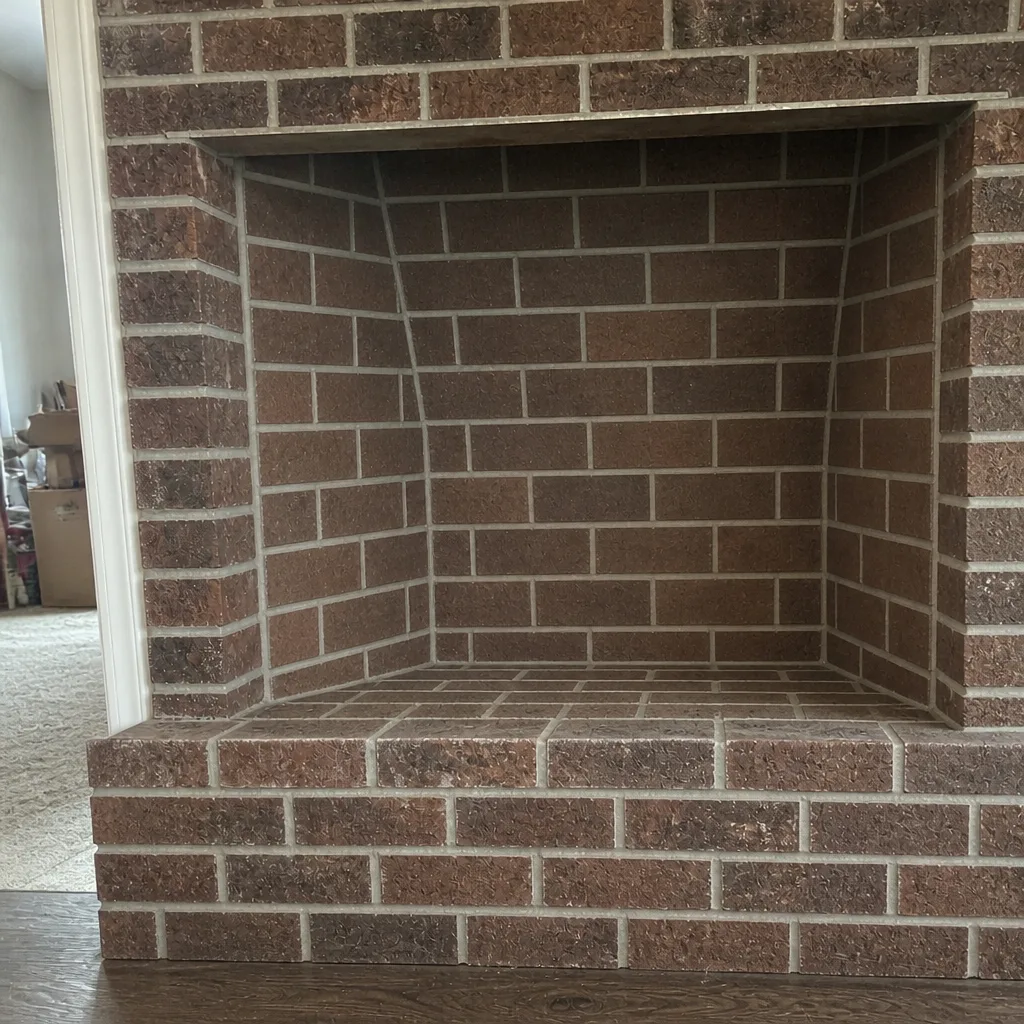
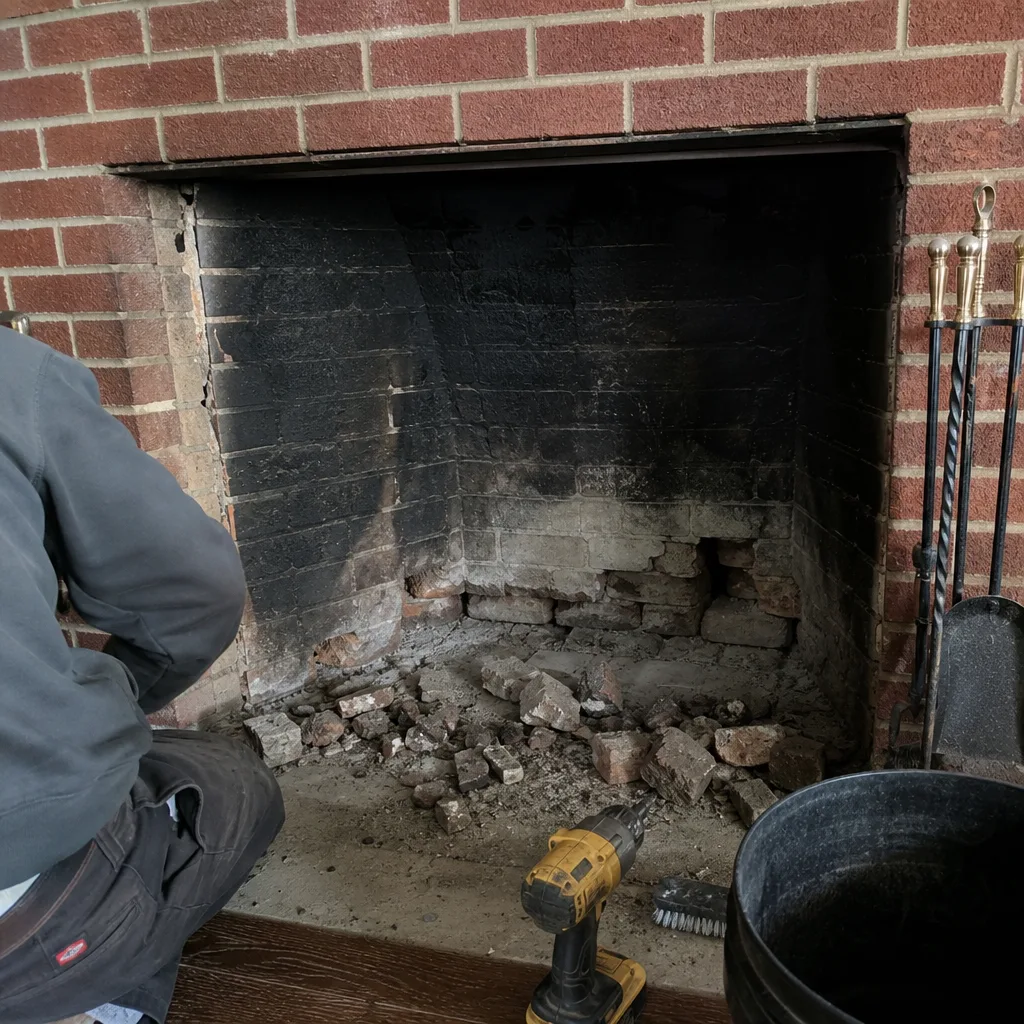
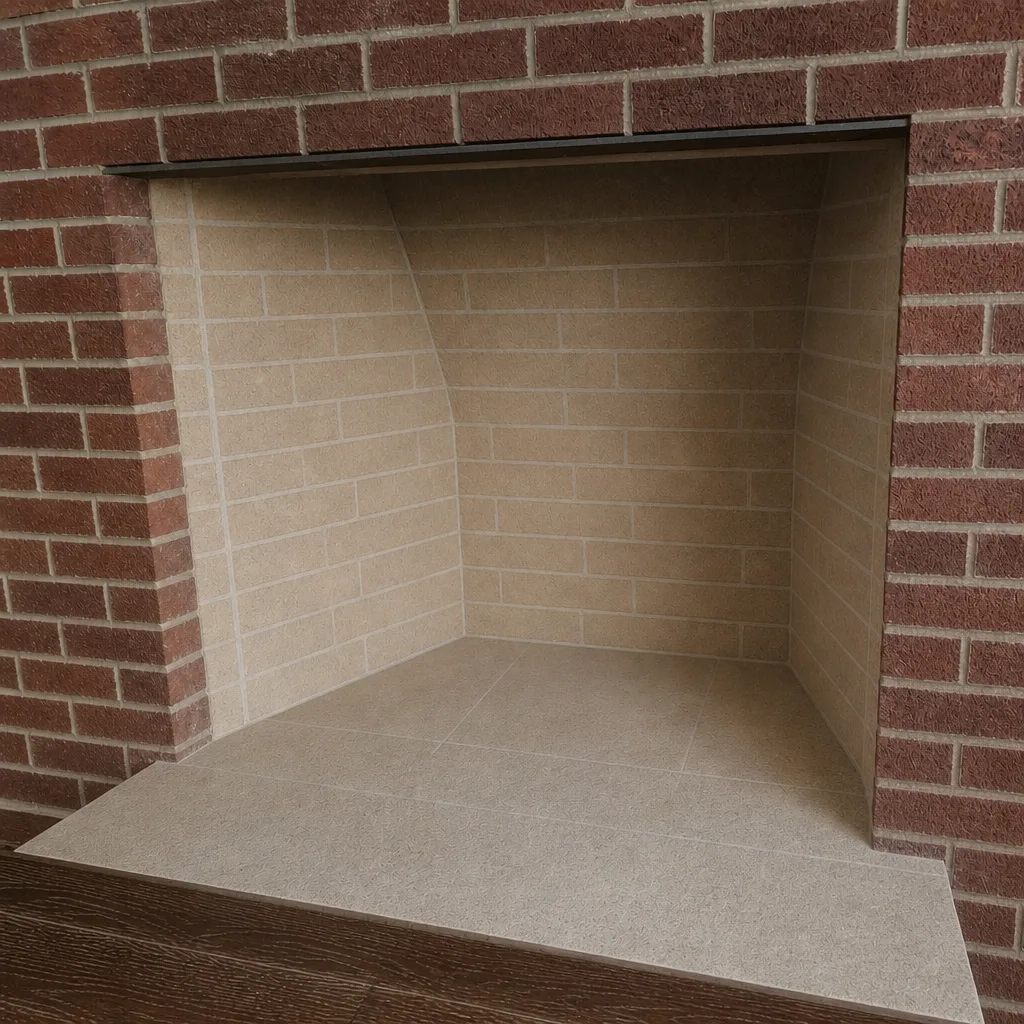
See the difference
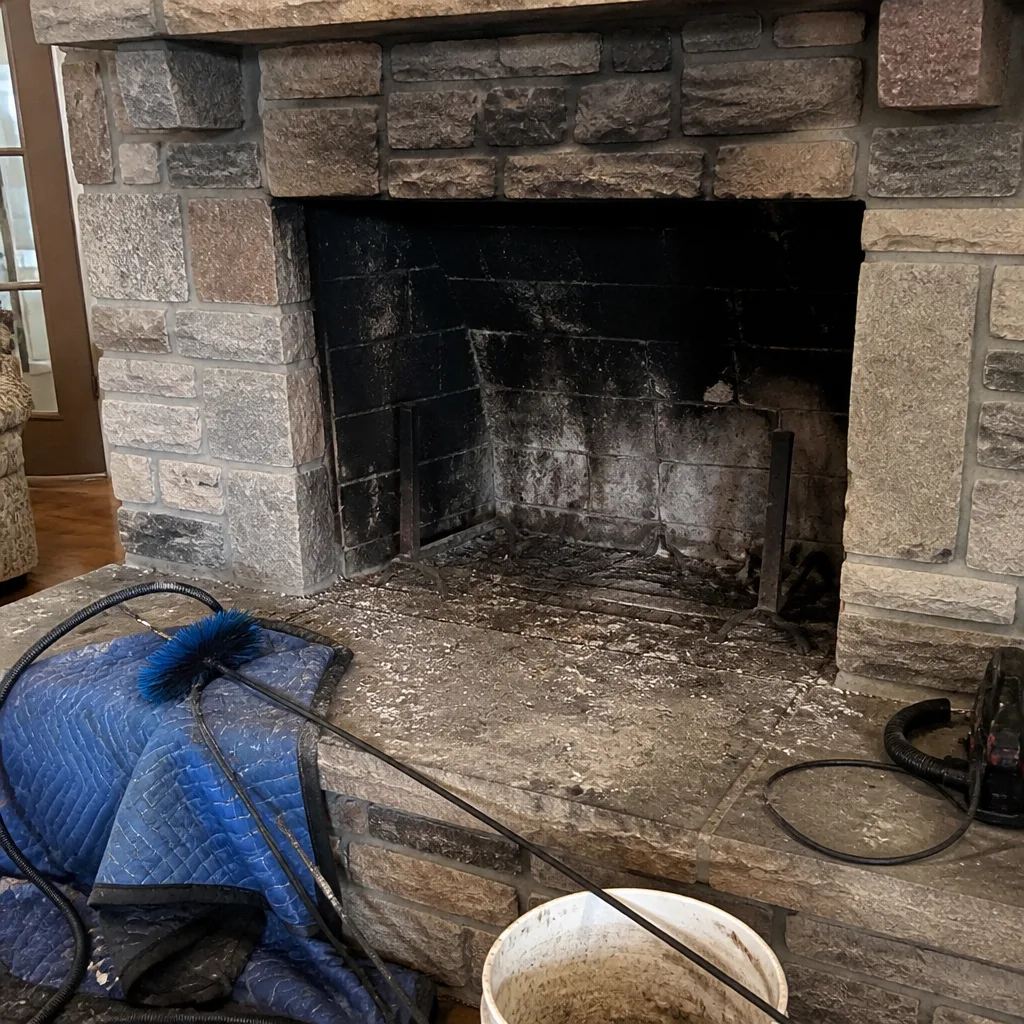 Before
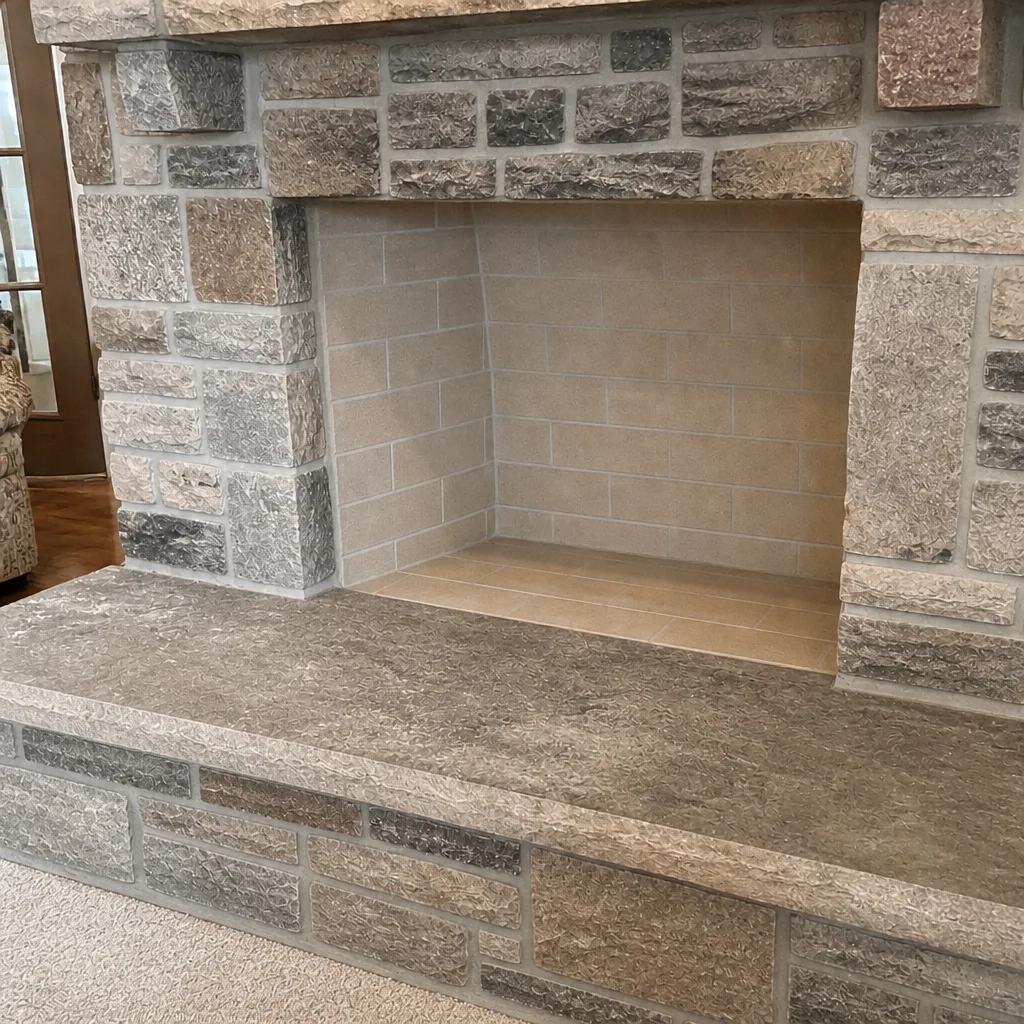 After
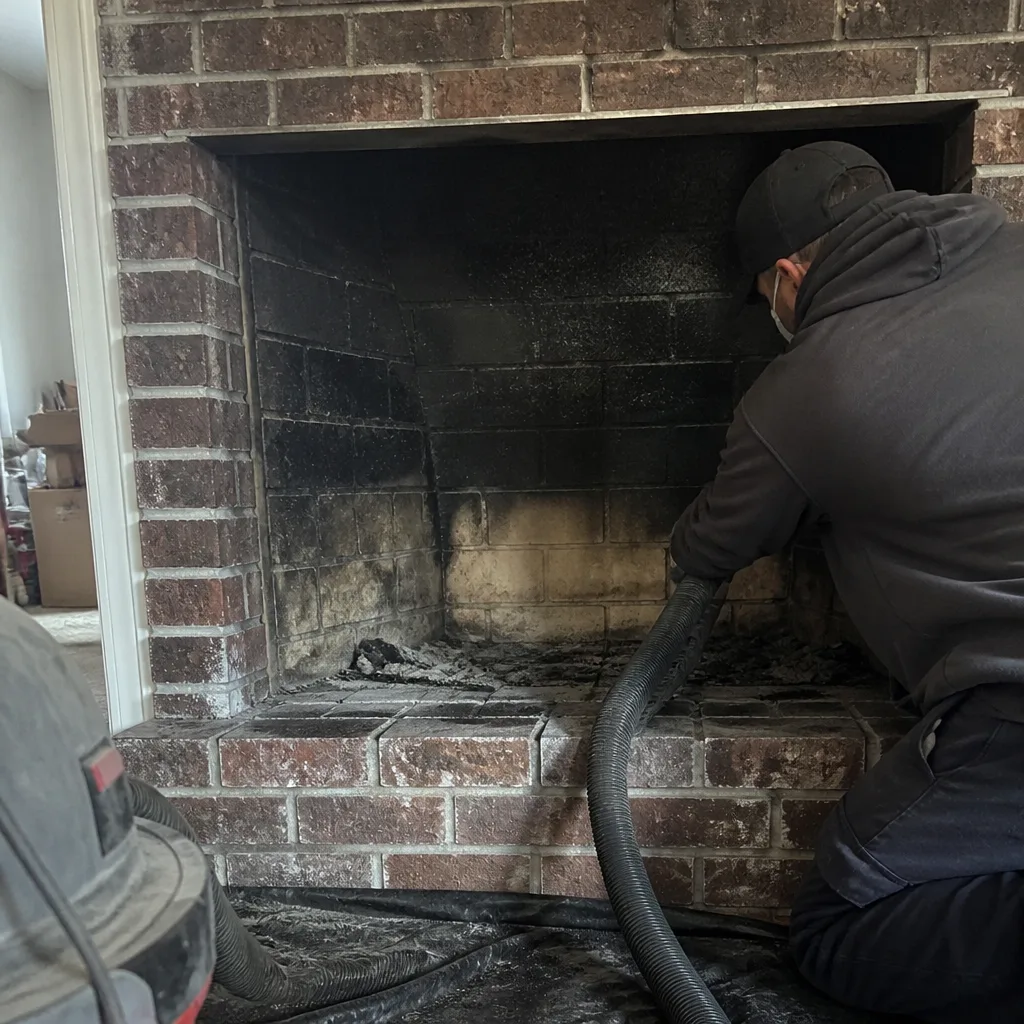 Before
 After
 Before
 After
When to Call a Professional
Some situations call for a professional visit sooner rather than later. If you’ve never had the chimney inspected and you’ve just moved into a home, book an inspection before your first fire. If you smell smoke inside the house when the fireplace is in use, or if smoke backs up into the room, stop using the fireplace and call. If you see staining, efflorescence, or crumbling mortar on the exterior masonry, that’s water intrusion and it needs diagnosis. If the damper won’t open or close cleanly, or if you’ve had a chimney fire (even a small one), professional inspection is overdue. If your carbon monoxide detector has triggered with the fireplace in use, evacuate and call from outside. Knoxville Chimney Sweep Pros offers free estimates in Knoxville – call (855) 726-7247. We answer 24/7. Fast dispatch from 7am to 7pm, Sunday through Friday. Our technicians have up to 14 years of experience, and we work with the trade-grade product lines certified specialists use, including DuraFlex and Olympia Chimney. If you want to understand the sweep service itself, our chimney sweep page explains what a proper visit includes.
Frequently Asked Questions
A routine chimney sweep in Knoxville typically costs $150 to $300, with pricing dependent on the chimney’s condition and whether camera inspection is included. Inspection as a separate line item, repairs, cap and crown work, and liner restoration are priced on top of that base. The written estimate sets the final price, and estimates are free. Call (855) 726-7247 to schedule yours. We answer 24/7. Fast dispatch from 7am to 7pm, Sunday through Friday.
Only if the inspection shows your existing liner has failed, and you should never take that recommendation on faith without seeing the evidence. Liner cracks, gaps, and deterioration are genuine fire risks, so the recommendation matters, but it needs to be backed by camera footage you can review. If your liner is intact, restoration with a ceramic system like HeatShield may be an option short of full replacement, and a specialist can explain the difference. Call (855) 726-7247 for an inspection with documentation. We answer 24/7. Fast dispatch from 7am to 7pm, Sunday through Friday.
Once a year for most wood-burning fireplaces, and more frequently if you burn heavily or burn unseasoned wood. East Tennessee’s seasonal burn patterns make annual inspection the baseline, because the climate here accelerates moisture-related damage and creosote accumulates in layers across the heating season. A cleaning-only sweep doesn’t catch the underlying problems an annual inspection does. Call (855) 726-7247 to book your annual visit. We answer 24/7. Fast dispatch from 7am to 7pm, Sunday through Friday.
Creosote builds up in the flue, and at sufficient thickness it becomes flammable. That’s the fire risk, and it’s real. The quieter risk is undiagnosed damage: a cracked crown, a failing liner, or water intrusion that hasn’t caused visible problems yet. Skipping a sweep doesn’t cause damage immediately, but it removes the check that catches problems before they get expensive. If it’s been more than a year, call (855) 726-7247. We answer 24/7. Fast dispatch from 7am to 7pm, Sunday through Friday.
No. Chimney work requires training specific to venting, combustion, and venting-system diagnosis, and Tennessee doesn’t license the trade, so credentials are the only objective check. A general handyman can run a brush, but can’t properly inspect a liner, diagnose a crown failure, or evaluate a firebox. Ask for CSIA or NFI certification and verify it directly with the issuing organization. If a contractor can’t produce those credentials, they’re not a chimney specialist.
Five questions: does the sweep include a liner inspection; will you provide camera documentation; can I see a written scope before booking; what happens if a problem is found mid-job; and is the person doing the work CSIA or NFI certified. The answers tell you whether you’re hiring a system-level specialist or a cleaning-only operation. If they’re vague on camera documentation or mid-job approval, keep shopping. For the full picture of what a proper visit involves, visit Knoxville Chimney Sweep Pros.
The Bottom Line
Hiring a chimney contractor in Knoxville puts the vetting burden on you, because Tennessee doesn’t license the trade. Verify CSIA and NFI credentials directly with the issuing organizations. Ask the five questions before you book, and insist on camera documentation before approving anything. Skip the cheapest quote if it’s cleaning-only, read reviews for chimney-specific work rather than general star counts, and always get a written scope. Our technicians have up to 14 years of experience, and we use products like DuraFlex and HeatShield because they’re what certified specialists install. The written estimate sets the final price, nothing gets recommended without evidence you can see, and we’ll tell you plainly when work can wait.
Ready to book? Call (855) 726-7247 for a free estimate. We answer 24/7. Fast dispatch from 7am to 7pm, Sunday through Friday.
Written by the team at Knoxville Chimney Sweep Pros.