
Last updated November 25, 2026
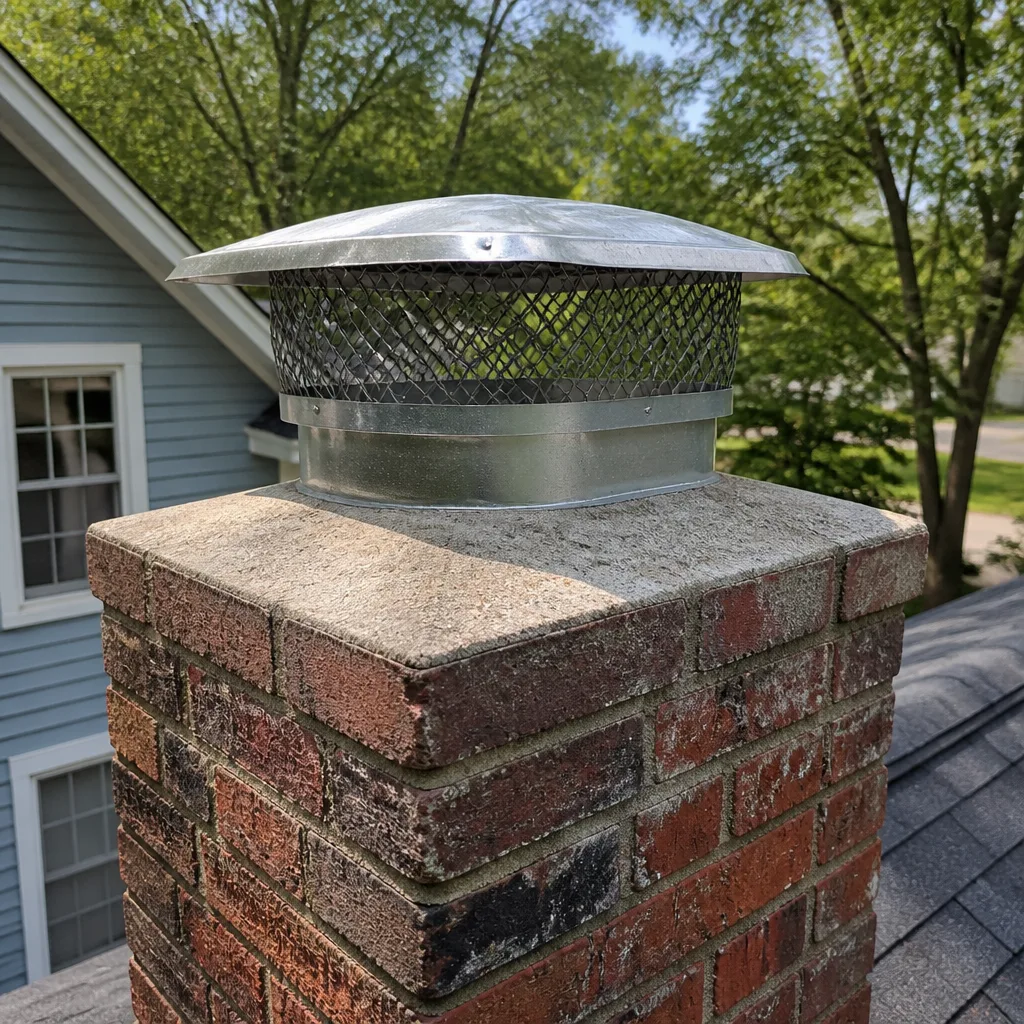 Sweep & inspection
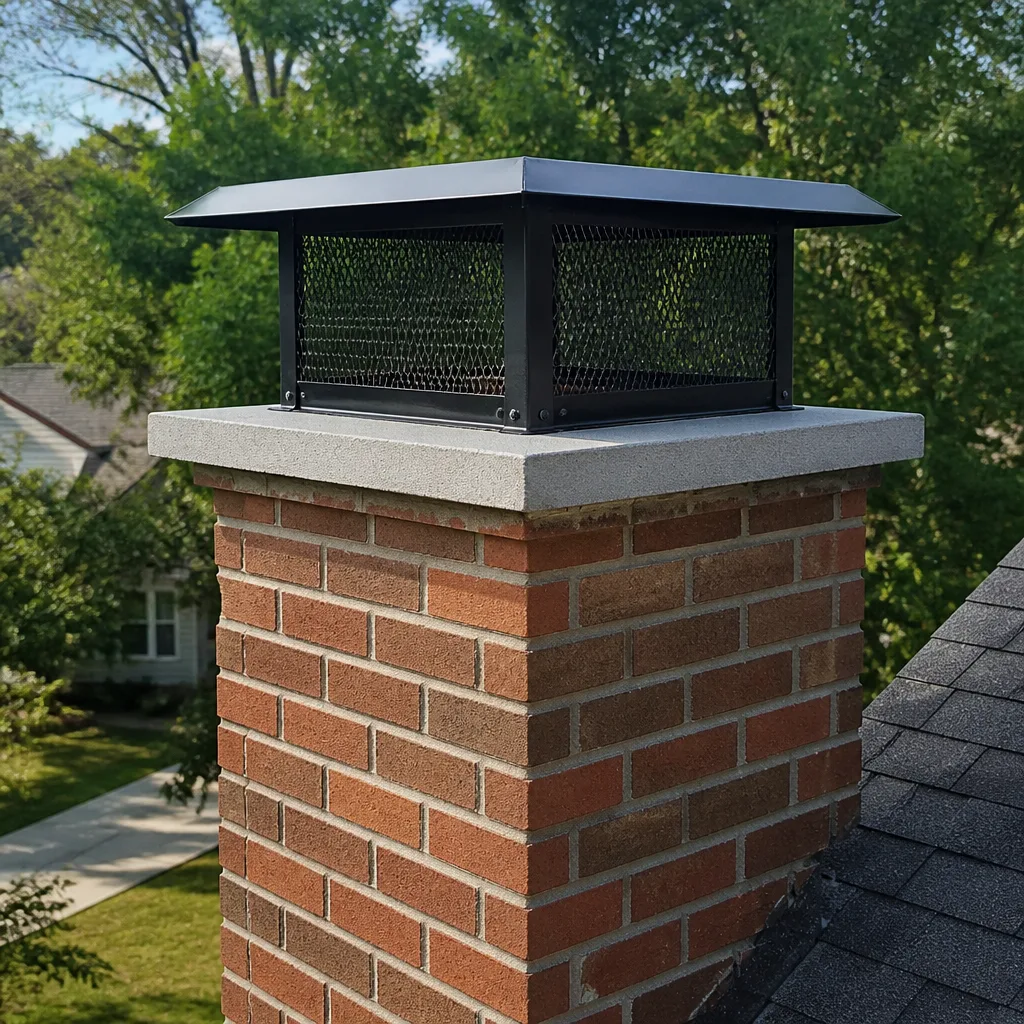 Caps & crowns
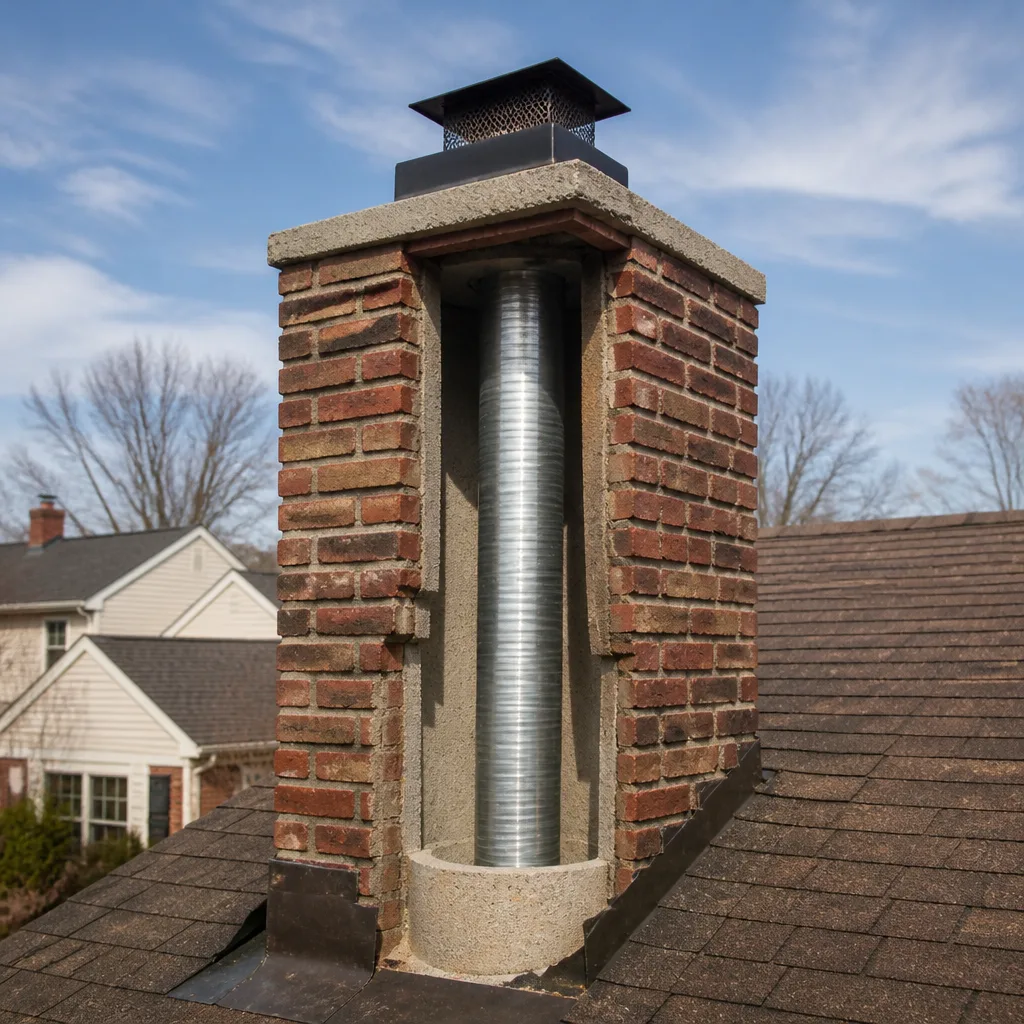 Flue relining
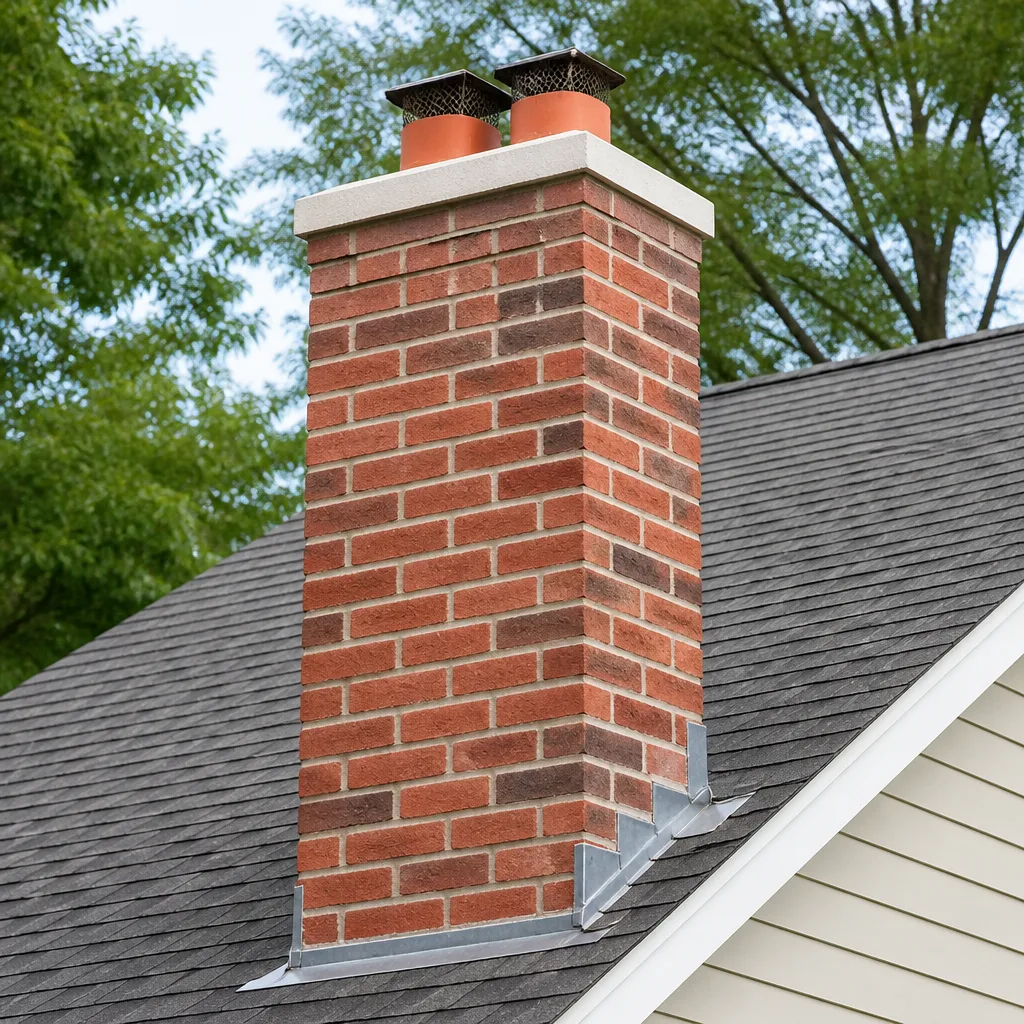 Masonry repair
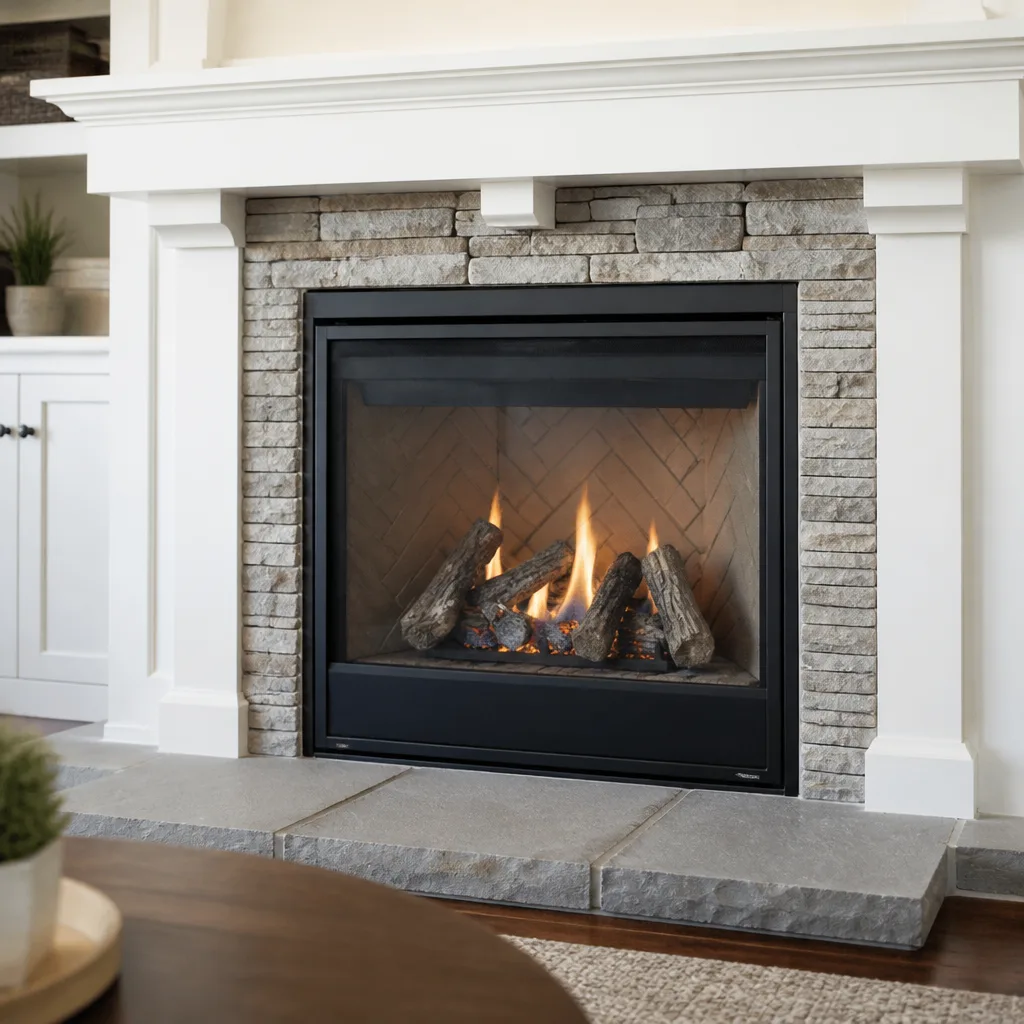 Gas fireplace service
Level 1 sweep and inspection to the NFPA 211 annual standard - flue, crown, cap, and flashing checked and photographed
Chimney sweep logs do not sweep chimneys. They loosen some creosote - which then falls where a brush and vacuum still have to collect it.
Chimney Cleaning Warning Signs: A Knoxville Homeowner’s Reference Guide
Most chimney warning-sign lists send you looking for the obvious: smoke rolling back into the room, a smell you can’t place, a stain on the ceiling. Useful, but late. The signs that actually predict the costliest outcomes – a failed liner, a spalled smoke chamber, creosote baked into third-degree glaze – are quieter than that, and they live right where you stand to light a fire. Third-degree glazed creosote doesn’t look like soot at all. It looks like black, shiny tar, and plenty of Knoxville homeowners have stood three feet from it without knowing what they were looking at. This guide teaches you to read those signals from the firebox opening and from the ground outside, with the specific tells that show up in Knoxville’s older housing stock.
Quick Answer
The warning signs that matter most are glazed, tar-like creosote inside the firebox, a lazy or puffing draft when you light a fire, a persistent acrid or damp smell when the chimney is cold, and exterior clues like crumbling brick, white staining high on the stack, or a gap where the flashing meets the roof. Any one of these means it’s time for a professional inspection before the next fire. Visible smoke backdraft is usually the last sign to appear, not the first.
Styles & brands we work with
- Sweep & inspection
- Caps & crowns
- Flue relining
- Masonry repair
- Gas fireplace service
Table of Contents
- Reading Creosote Stages From the Firebox Opening
- Smell Signatures: Draft Problems, Moisture, and Animals
- Exterior Warning Signs You Walk Past Every Day
- What Your Smoke Is Telling You
- Warning Signs Specific to Knoxville’s Older Housing Stock
- Inspection Versus Sweep: Which Do You Actually Need?
- When to Call a Professional
- Frequently Asked Questions
Reading Creosote Stages From the Firebox Opening
Creosote forms in stages, and each stage looks different when you shine a light up into the flue from the firebox. You don’t need a camera to tell them apart. You need to know what you’re looking at, and you need to be honest about what you can’t see – the upper flue and smoke chamber, which only a professional sweep with the right tools will reach. We’ve seen all three stages in Knoxville fireplaces, often in the same chimney at different heights.
First-Degree Creosote
This is the flaky, dusty, soot-like deposit. It brushes off easily and tends to look like a light brown or grey fuzz on the flue walls. First-degree creosote is the normal byproduct of a fire that isn’t running hot enough or is burning green wood. It’s the least dangerous stage, but it’s also the stage where a sweep does the most good, because it hasn’t bonded to the masonry yet.
Second-Degree Creosote
Second-degree deposits are darker, crustier, and cling to the flue in flakes or thin sheets. They don’t wipe away. When you scrape a second-degree deposit with a tool, it comes off in chips. This is the stage that tells you the fire is running cool – often because the wood is unseasoned or the air supply is choked down to stretch the burn. Most of the fireplaces we see in Knoxville’s older neighborhoods are sitting at second-degree by the end of a heating season.
Third-Degree Glazed Creosote
This is the one to know. Third-degree creosote is a hard, shiny, tar-like glaze fused to the flue wall. It looks like black glass or hardened sap, and it doesn’t brush off with a standard sweep – it has to be removed mechanically or treated with a chemical agent first. This is the fuel load that makes a chimney fire dangerous, because glazed creosote burns hot and long. If you can see a wet-looking black sheen on the walls just above the damper, stop using the fireplace and get it inspected. This is the single most important warning sign in this guide, and it’s the one most homeowners miss.
What You Can and Cannot See
- You can see the firebox walls, the damper, and the first few feet of flue above the damper with a flashlight.
- You cannot reliably see the smoke chamber, the upper flue, or the crown from inside the firebox. Those need a sweep’s camera and rods.
- A clean-looking firebox does not mean a clean upper flue. Deposits build where the flue cools, which is higher up.
- Glazed creosote often hides just past the smoke shelf, where your flashlight beam doesn’t reach.
If you’re seeing anything beyond light dust in the firebox, book a chimney sweep before you light another fire. The stage matters for how the work is done, and a sweep-only crew that can’t handle glazed deposits will tell you to call someone else.
Smell Signatures: Draft Problems, Moisture, and Animals
Your nose is a better diagnostic tool than most people realize. Different problems produce different smells, and learning to tell them apart tells you a lot about what’s wrong before anyone opens the firebox. We ask homeowners to describe the smell before we arrive, because it narrows down the cause fast.
Normal Wood Smoke Odor
A cold fireplace that hasn’t been used recently will smell faintly of old wood smoke. That’s normal. It’s strongest on damp days and fades when the chimney warms up. If the smell is only noticeable right after a fire and disappears by morning, you’re probably fine – but keep reading, because the line between normal and abnormal is thin.
The Damp, Musty, or Wet-Ash Smell
A musty or wet-cardboard smell when the fireplace is cold is the classic sign of moisture intrusion. Water is getting into the flue or the smoke chamber, usually through a missing or damaged chimney cap & crown or through flashing that has pulled away at the roofline. A cap and crown is what keeps rain out of the flue in the first place. If that’s compromised, the smell is the first warning and the interior damage is already underway.
The Acrid, Sharp, or Sour Smell
An acrid or sour smell that gets worse when the fire is burning is usually a draft problem, not a moisture problem. Poor draft means smoke is lingering in the flue instead of being carried up and out, and the smell settles into the room and the furniture. In an older Knoxville home with a chimney that shares a chase with another flue, it can also mean smoke is migrating between flues. That’s a system-level problem, not a cleaning problem, and it needs a proper inspection.
The Animal Smell
A sharp, ammonia-like or musky smell coming from the firebox or the top of the chimney often means an animal has gotten in – birds, squirrels, or raccoons. Knoxville sits close to wooded ridges and creek corridors, so nests and droppings in an uncapped flue are common. Droppings carry health risks and nesting material blocks draft; this is a call-a-professional situation, not a light-a-fire-to-burn-it-out situation.
How to Test the Smell Yourself
- Wait until the fireplace has been unused for at least a day.
- Smell near the firebox opening and near the damper. Note the character of the smell.
- Check again on a damp or rainy day. If the smell is stronger, moisture is likely involved.
- Look up at the chimney cap from the ground. If it’s missing, broken, or screened, that’s your first lead.
Exterior Warning Signs You Walk Past Every Day
The outside of a chimney tells a homeowner a lot, and most people never look up. The next time you pull into your driveway in Knoxville, take thirty seconds and look at the top of your chimney. These are the patterns worth knowing.
Spalling Brick
Spalling is when the face of a brick flakes off or crumbles, leaving a rough, pitted surface. You’ll usually see it first near the top of the stack, because that’s where the brick takes the most weather. Spalling means brick has absorbed water, frozen, and broken apart – a slow, predictable process in a climate with freeze-thaw cycles. Catching it early means repair. Catching it late means rebuild.
Efflorescence
Efflorescence is the white, chalky staining that shows up on brick and mortar. It’s the mineral residue left behind when water moves through masonry and evaporates. Efflorescence on its own doesn’t mean structural failure, but it does mean water is getting into the brick somewhere. Where the staining is concentrated tells you where the leak is. Staining high on the stack points at the crown; staining mid-stack points at the brick face itself.
Flashing Separation at the Roofline
The flashing is the metal that seals the chimney to the roof. It should stay tight where it meets the brick and the shingles. If you can see a gap, a lifted edge, or rust streaks running down the brick below the flashing, water is getting in at that joint. Flashing failures are easy to miss because they happen at an awkward angle on the roof, but they’re one of the most common causes of interior chimney damage we find in Knoxville.
Mortar Joint Wear
Run your eyes down the mortar joints between bricks. If the mortar is receding, sandy, or missing in patches, the joints need repointing. Receded mortar doesn’t just look bad – it lets water into the brick core and accelerates spalling and freeze damage.
Crown Cracks
The crown is the concrete cap that sheds water off the top of the chimney. A proper crown overhangs the edges so water runs past the brick rather than down it. Cracks, a missing overhang, or a worn-out crown let water straight into the top of the chimney, and that water travels down the flue. If you see a cracked or crumbling crown, it’s worth addressing before the next wet season – the crown is the leading cause of the interior damage we’re called out to fix.
What to Look at From the Ground
- The chimney cap and crown – are they intact, and is there a screen?
- Brick faces near the top – any flaking, pitting, or missing chunks?
- White staining – where is it concentrated?
- The flashing joint with the roof – tight, no gaps, no rust streaks below?
- Mortar joints – receding, sandy, or missing in patches?
What Your Smoke Is Telling You
Smoke behavior is a symptom, and it points at a specific failing component. Once you know which pattern you’re seeing, you can ask the right question instead of guessing. Watch your fire during the first ten minutes and note what the smoke does.
Lazy, Slow Smoke
If smoke drifts slowly up into the chimney instead of being pulled out, and the fire is slow to catch, the draft is weak. Weak draft has a few common causes: a flue that’s too cool from an outside-wall chimney, a chimney that’s shorter than it should be, a flue blocked by a nest or debris, or a chimney that’s simply never been sized correctly for the firebox. Weak draft is also a creosote factory – cool smoke deposits more than hot smoke.
Puffback
Puffback is a burst of smoke that spills into the room when a fire starts or when the damper is adjusted. It usually means a sudden pressure change in the flue – often from a blocked flue, a smoke chamber that’s lost its shape, or a house that’s under negative pressure from a bath fan, kitchen hood, or furnace. Puffback is a sign the system isn’t moving exhaust the way it should, and it’s a strong prompt for an inspection.
Intermittent Backdraft
This is the maddening one: the fire burns fine one night and smokes into the room the next. Intermittent backdraft almost always means the chimney is borderline on draft – it works when conditions are right and fails when the house is a little tighter, the outside temperature a little warmer, or the wind direction shifts. Knoxville’s valley winds and shoulder-season temperatures make this pattern common in homes with exterior chimneys. Intermittent backdraft is a system problem, and resealing or capping the top can be part of the fix.
Smoke That Smells Strong Inside the House
If you smell smoke inside on the second floor when the fire is burning on the first floor, that’s a leak somewhere in the system – often a failing flue liner or a chase that’s letting smoke escape into the house. This is a stop-using-the-fireplace sign until it’s inspected.
What to Do If Smoke Is Behaving Wrong
- Stop adding wood. Let the fire burn down.
- Open a nearby window a crack to equalize pressure and let the smoke clear.
- Check the damper – make sure it’s fully open.
- Look up at the cap from the ground. Do you see a missing cap, a nest, or a broken screen?
- Book an inspection. Smoke behavior is a symptom, and the cause needs a camera look.
Warning Signs Specific to Knoxville’s Older Housing Stock
Knoxville has a deep stock of homes built before 1970, and the chimneys in those homes fail in predictable ways. If you own one – or you’re buying one – these are the specific configurations to watch for. We see the same patterns across older neighborhoods, and knowing them keeps you ahead of the damage.
Masonry Chimneys With Clay Tile Liners
Most pre-1970 Knoxville chimneys were built with a clay tile flue liner. Clay tile does its job for a while, but the joints between tiles crack and shift over decades, and the tile itself can spall. Once the liner is compromised, heat and creosote reach the brick and mortar around it, which is exactly the condition that makes a chimney fire dangerous. A camera inspection is the only way to know whether your clay liner is intact.
Oversized Fireboxes
Many older fireplaces were built with fireboxes larger than the flue can support, and that mismatch creates weak draft and heavier creosote from day one. If your fire smokes when you first light it and the flue is already clean, the sizing is part of the story. Get a professional to look at the whole system.
Single-Wythe Brick Chimneys on Outside Walls
Some pre-1970 homes have a single-wythe brick chimney – one brick thick – built on an exterior wall. Single-wythe brick chimneys absorb water faster and lose heat faster than modern construction. Both problems show up as spalling brick, efflorescence, and weak draft. A proper crown and a cap are what keep this configuration out of trouble.
Shared or Adjacent Flues
Older Knoxville homes sometimes have two flues side by side in the same masonry chase, one for the fireplace and one for a furnace or water heater that’s no longer in service. If both flues aren’t properly isolated, smoke and carbon monoxide can migrate between them. This is the configuration we most often find with the acrid smell signature – and it’s a safety issue, not just a nuisance.
Smoke Chamber Spalling
The smoke chamber is the sloped area just above the damper that funnels smoke into the flue. In older chimneys it’s often rough, unparged brick held together by old mortar. Over time the surface spalls, and the rough edges catch creosote and slow the smoke down. Smoke chamber spalling is a common reason a fire smokes even when the flue itself is clean. HeatShield, a ceramic resurfacing system, is one way to restore a spalled smoke chamber without rebuilding the chimney – a repair most sweep-only crews don’t carry.
Remodeled Fireplaces From Previous Decades
A fireplace that was remodeled in the 1970s or 1980s may have a firebox insert, a changed damper, or a flue connection that no longer matches the original design. Any of those changes can quietly break draft and venting. If you’ve just bought a home with a remodeled fireplace, an inspection before the first fire is a small price against a surprise later.
Inspection Versus Sweep: Which Do You Actually Need?
This is the question most homeowners don’t ask, and it’s the one that determines whether you get the real answer. A sweep cleans. An inspection diagnoses. They overlap, but they aren’t the same job, and the warning signs in this guide are mostly symptoms that need a diagnosis, not a cleaning.
When a Sweep Is Enough
A routine sweep is the right call when the firebox and lower flue show first-degree or light second-degree deposits, the fire is drafting well, and the appliances are working normally. A sweep clears the build-up and gives you a fresh baseline. Sweeps before the heating season are the standard maintenance move in Knoxville, because that’s when creosote from last season has had all summer to settle in.
When You Need an Inspection
An inspection is the right call when any of these are true:
- You can see glazed, tar-like deposits in the firebox.
- You smell acrid smoke, damp mustiness, or animal musk when the fireplace is cold.
- The fire smokes intermittently, puffs back, or struggles to catch.
- You see fresh spalling, efflorescence, crown cracks, or flashing separation outside.
- You’ve just bought an older Knoxville home and don’t know the chimney’s history.
- It’s been more than a year since the last cleaning.
A proper inspection uses a camera to look at the whole flue and smoke chamber, and it comes with a photo report you can review at your own pace. That photo report is what separates a diagnosis from a guess, and it’s what lets you make a decision on evidence rather than on trust alone.
The Right Order of Operations
- Book the visit and describe your symptoms when you call.
- Get the sweep and inspection done together so the diagnosis is based on a clean flue.
- Review the photo report and the recommended repairs before agreeing to any work.
- Ask which repairs are urgent and which can safely wait. A good tech will tell you both.
If you suspect a liner problem and want to know whether restoration is possible before replacement, ask about HeatShield liner restoration specifically. It’s a professional ceramic resurfacing system that many standard sweep crews don’t offer, and it can be the right call for a spalled smoke chamber or a compromised liner where a full reline isn’t yet necessary.
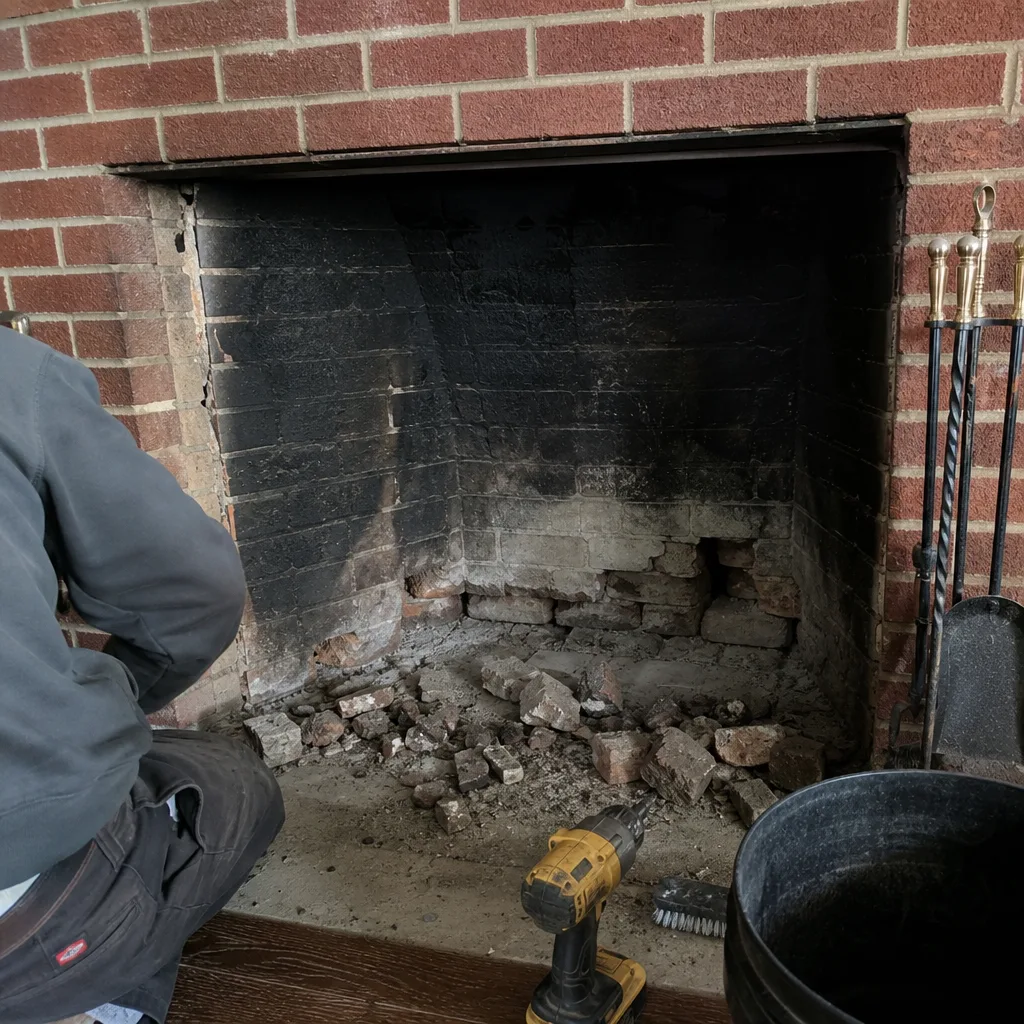
See the difference
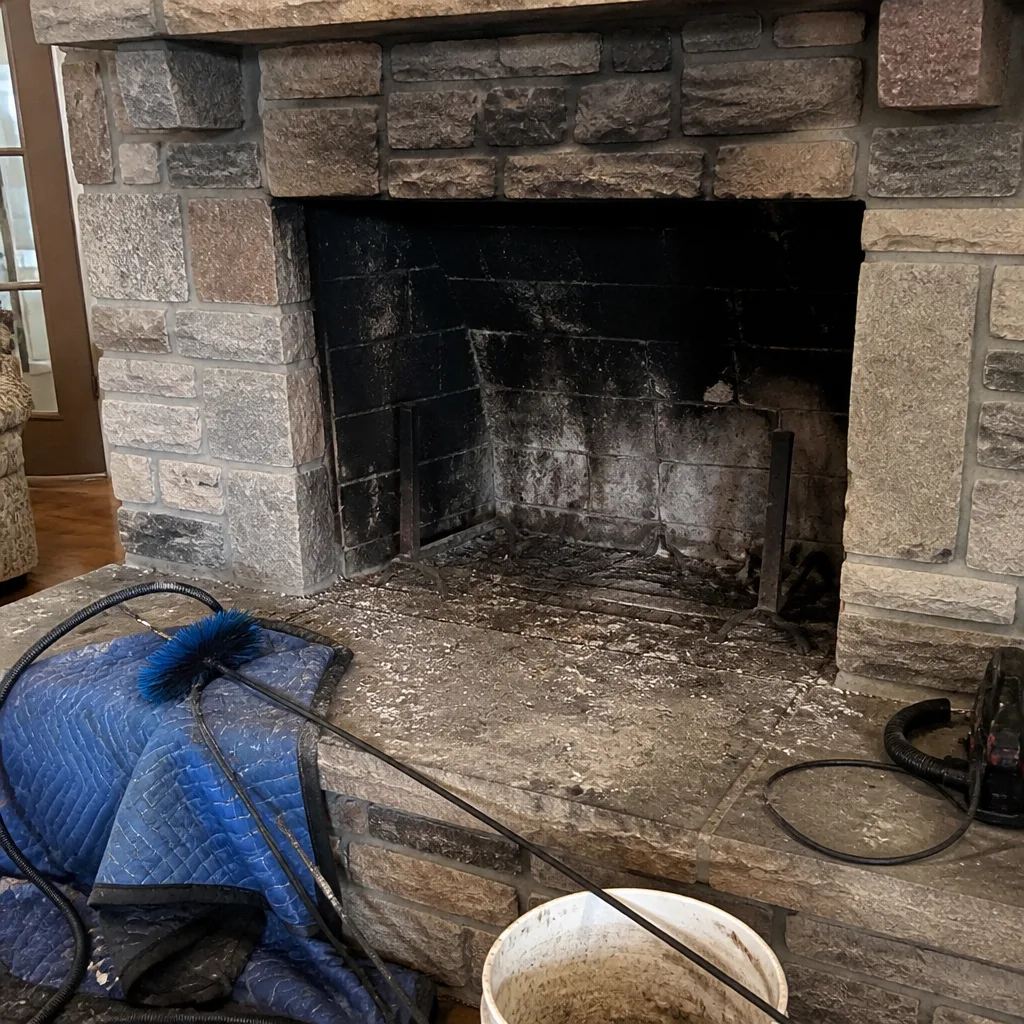 Before
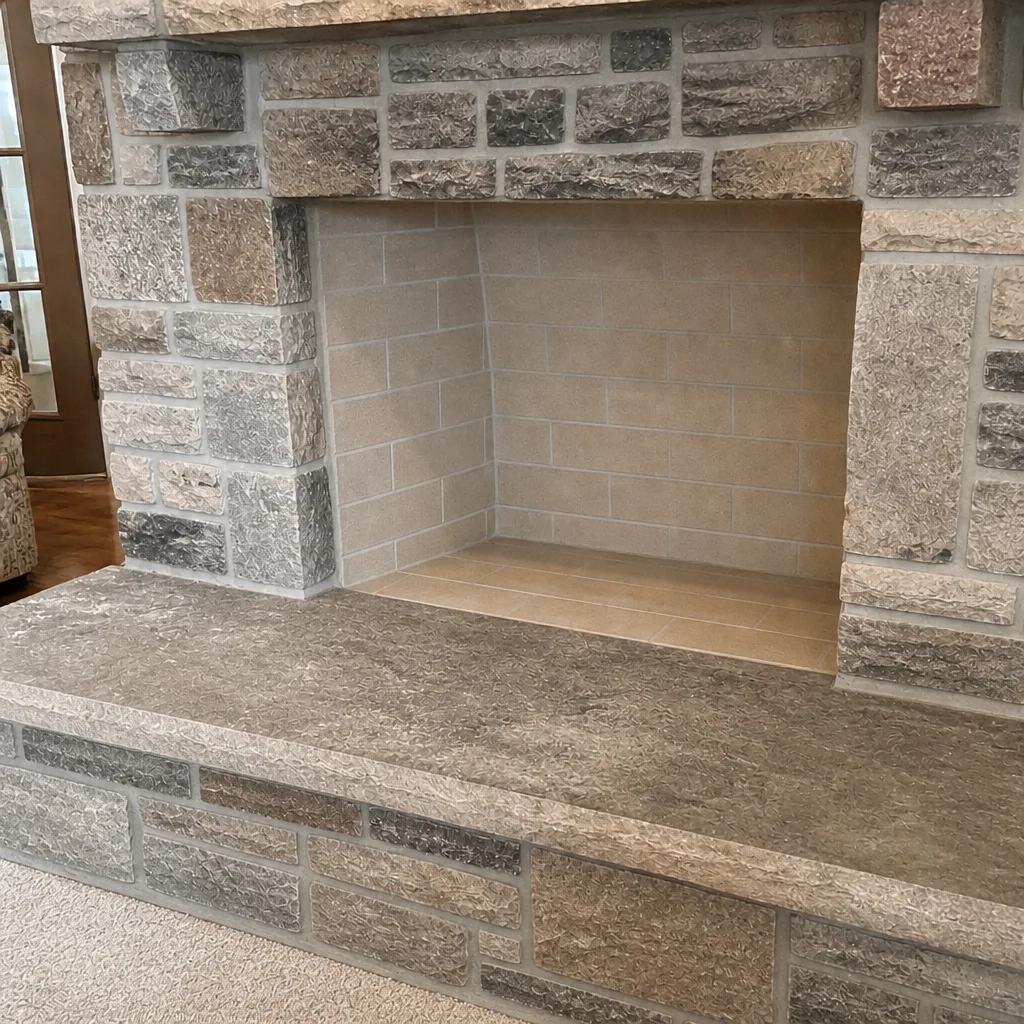 After
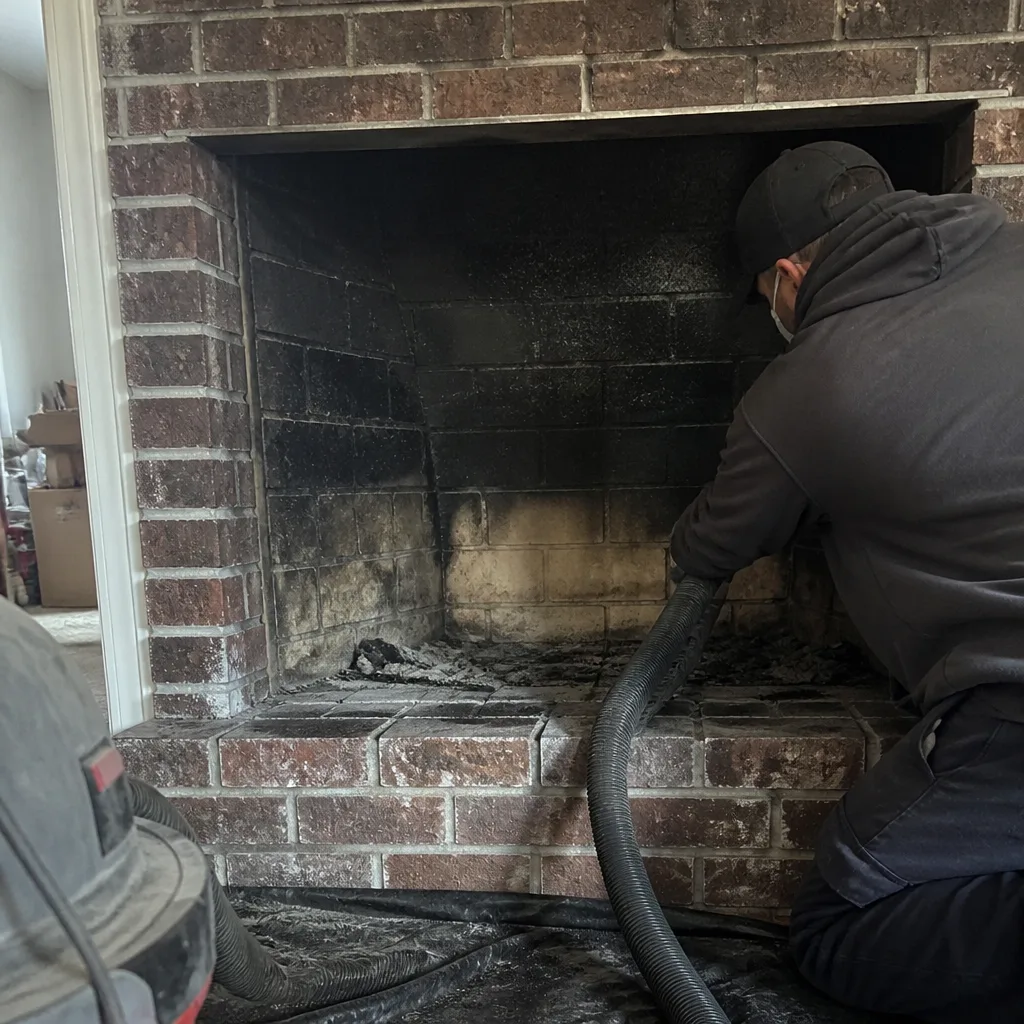 Before
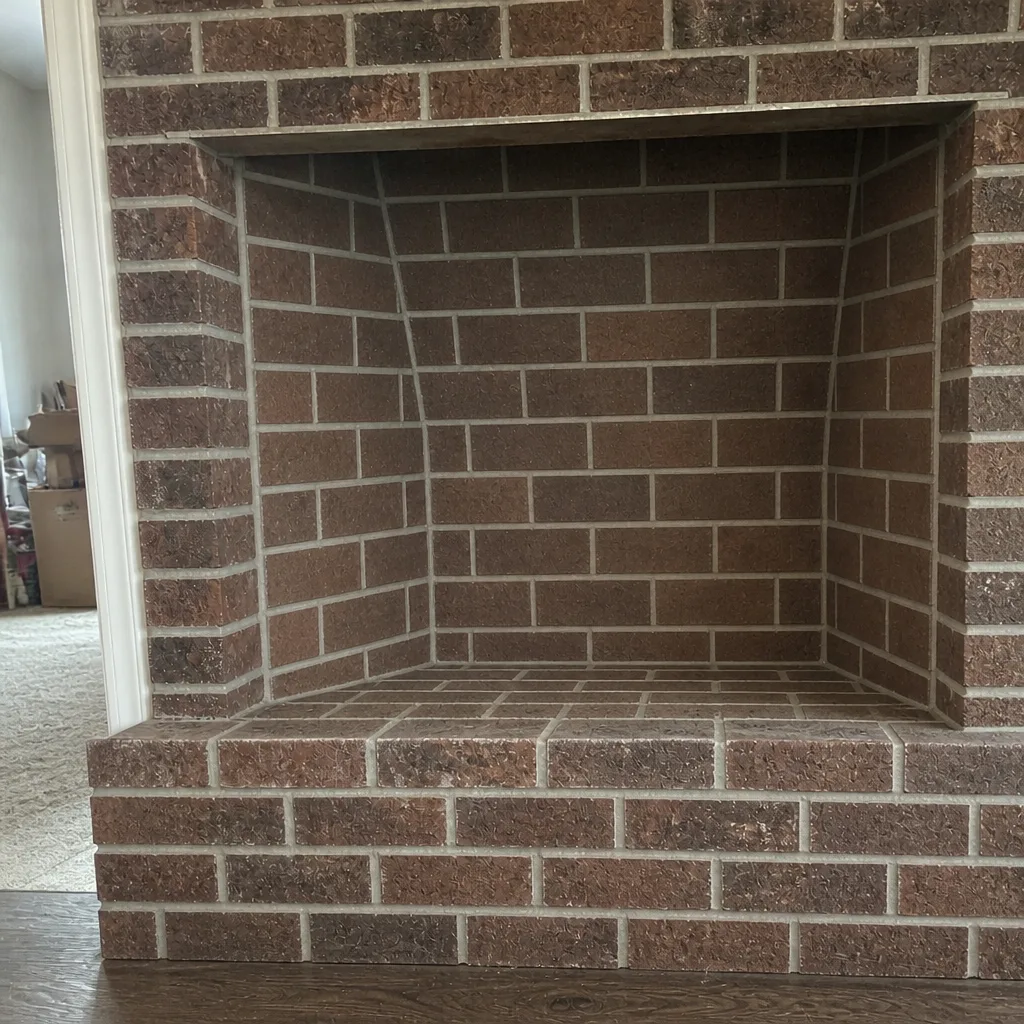 After
 Before
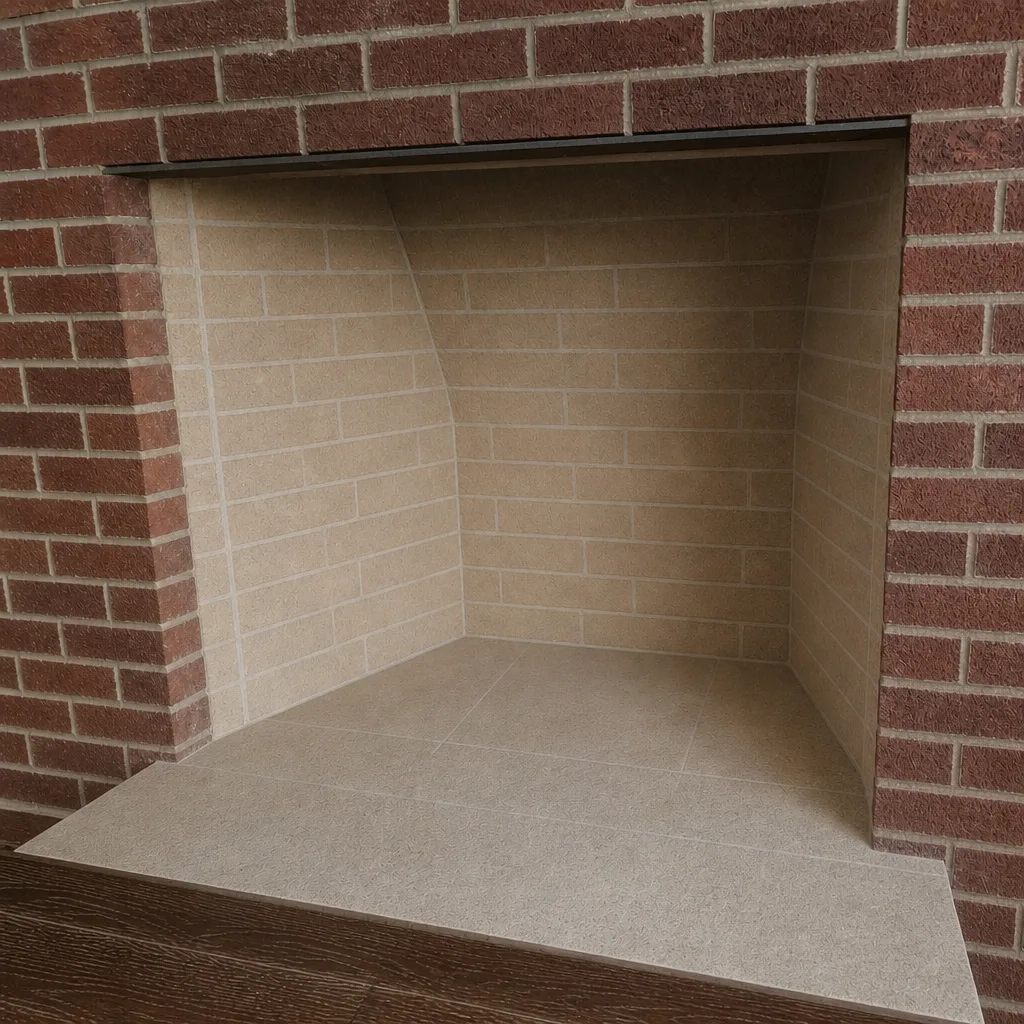 After
Common Mistakes to Avoid
- Assuming a clean-looking firebox means a clean chimney. The upper flue and smoke chamber are where the real deposits form, and you can’t see them from the firebox. A flashlight in the firebox is a start, not an inspection.
- Burning green or unseasoned wood to stretch the supply. Green wood burns cool and deposits creosote at a rate that turns a normal sweep into a serious cleaning job in one season. Season your wood before you burn it.
- Waiting for visible smoke backdraft before calling anyone. By the time smoke is rolling into the room, the flue has usually been compromised for a while. The earlier signs in this guide are the ones worth acting on.
- Using a sweep-only company on a system that clearly needs repairs. If you’ve seen glazed creosote, a spalled smoke chamber, or a failing crown, a sweep-only crew will hand you a diagnosis and leave. It’s one call with a full-service company or two calls with a sweep and a separate repair contractor.
- Ignoring exterior clues because the fireplace still works. Spalling brick, efflorescence, and crown cracks don’t stop the fire from burning – they just quietly get worse every wet season in Knoxville.
- Lighting a fire after an animal has nested in the flue. Nesting material and droppings block draft and carry real health risks. Get it cleared and the flue checked before the next fire.
- Skipping the inspection when you buy an older Knoxville home. Pre-1970 chimneys fail in predictable ways, and the previous owner’s maintenance history is a mystery. An inspection before you close is the cheapest insurance you’ll buy on that house.
When to Call a Professional
Call a professional when you can see glazed creosote, when the fire drafts poorly or puffs back, when you smell acrid, damp, or animal odors from a cold fireplace, when exterior brick is spalling or the crown is cracked, when the flashing has separated from the roof, or when it’s been more than a year since the last cleaning. Call sooner if you’ve had a chimney fire, even a small one. And call before you light the first fire of the season in an older Knoxville home, so the system starts the season clean and inspected. Our technicians have up to 14 years of experience, and we carry the fix, not just the diagnosis.
Knoxville Chimney Sweep Pros offers free estimates in Knoxville – call (855) 726-7247. We answer 24/7. Fast dispatch from 7am to 7pm, Sunday through Friday. The written estimate sets the price, and nothing is recommended without camera evidence you can review for yourself.
Frequently Asked Questions
Once a year for most wood-burning fireplaces, and more often if you burn heavily or notice any of the warning signs in this guide. Knoxville’s heating season is long enough that annual cleaning keeps creosote from stacking up. Gas fireplaces still need an annual inspection even though they produce no creosote – the venting and the appliance connections are what you’re checking. Call (855) 726-7247 to book a sweep before the season starts.
Third-degree creosote is a hard, shiny, black glaze that looks like tar or black glass fused to the flue wall. It doesn’t brush off with a standard sweep, and the chemicals and rod work involved in removal are professional tools – not a homeowner job. If you see it in the firebox, stop using the fireplace and book an inspection. Call (855) 726-7247 for an exact quote; estimates are free.
Most residential sweeps come in around $150 to $300 depending on the flue length and condition, and inspections that include a camera and a photo report run somewhat more. We set the final price per job with a written estimate, so you know the number before work starts. Call (855) 726-7247 for an exact quote – estimates are free.
Not every compromised liner needs replacement. A spalled smoke chamber or a liner with localized damage can often be restored with HeatShield, a professional ceramic resurfacing system. A full reline with a DuraFlex system is the right call when the liner is beyond restoring. The photo report from the inspection is what tells you which route makes sense – and nothing gets recommended without camera evidence you can see. Call (855) 726-7247 to talk it through.
The deposits keep building, the draft weakens, and the fire starts drafting poorly – which is the condition that produces more creosote. Skipping a year doesn’t usually cause a problem overnight, but it shortens the window between normal cleaning and serious repair. If you’ve seen any warning signs in this guide, skip the skip. Call (855) 726-7247 to book a sweep.
Look from the ground. A crown that’s cracked, missing its overhang, or crumbling lets water straight into the top of the chimney. A cap that’s missing, torn, or full of debris lets water, animals, and weather into the flue. Both show up as interior smells, staining, and spalling brick below. A proper cap and crown is permanent weatherproofing, not a patch. Call (855) 726-7247 for an inspection and estimate.
The Bottom Line
The warning signs that actually matter are the quiet ones: glazed black creosote in the firebox, a damp or acrid smell when the fireplace is cold, lazy smoke that never quite drafts right, and exterior brick that’s flaking, staining, or cracking at the crown. Visible backdraft is the last sign, not the first. Learn the three creosote stages, the four smell signatures, and the five exterior clues, and you’ll catch Knoxville chimney problems while they’re still small – which is exactly when they’re cheapest to fix. Your chimney is a system, and the firebox, flue, smoke chamber, and cap all have to work together. When you’re ready to get a real diagnosis from Knoxville Chimney Sweep Pros – with a photo report you can review and an estimate in writing – call (855) 726-7247 for a free estimate. We answer 24/7. Fast dispatch from 7am to 7pm, Sunday through Friday.
Written by the team at Knoxville Chimney Sweep Pros.