
Last updated November 25, 2026
 Sweep & inspection
 Caps & crowns
 Flue relining
 Masonry repair
 Gas fireplace service
Level 1 sweep and inspection to the NFPA 211 annual standard - flue, crown, cap, and flashing checked and photographed
Chimney sweep logs do not sweep chimneys. They loosen some creosote - which then falls where a brush and vacuum still have to collect it.
Seasonal Chimney Cleaning Care for Knoxville: Year-Round Homeowner’s Guide
The standard advice is to sweep your chimney before winter. In Knoxville, following that advice and nothing else means ignoring the two seasons that actually do the most structural damage to your chimney. Summer humidity here works on mortar and masonry in ways a cold-climate homeowner never deals with, and spring pollen and biological growth clog components most people never think to check. This guide lays out a Knoxville-specific seasonal rhythm: what to look at in each part of the year, when to book a cleaning, and what to do after the weather events that actually matter in East Tennessee. You’ll finish with a calendar you can follow, not generic advice written for somewhere else.
Quick Answer
Chimney care in Knoxville follows a four-season rhythm rather than a single fall sweep. Spring means clearing pollen-clogged components and checking mortar joints after winter freeze cycles; summer is when humid air drives the masonry deterioration you want to catch in August; late summer is the smart window for a cleaning, ahead of the fall rush; and fall is for waterproofing caps, crowns, and dampers before the first freeze. An annual inspection ties it together, with extra checks after ice storms or heavy wet snow.
Styles & brands we work with
- Sweep & inspection
- Caps & crowns
- Flue relining
- Masonry repair
- Gas fireplace service
Table of Contents
- Why Knoxville’s Climate Sets the Schedule
- Spring in East Tennessee: Pollen, Roots, and Post-Winter Mortar
- Summer Humidity and Your Masonry: What to Check in August
- Why Late Summer Beats October for a Cleaning
- After an Ice Storm or Wet Snow Load: When to Call
- Fall Prep Beyond Sweeping: Dampers, Caps, and Crowns
- Winter Burning: What to Watch Between Cleanings
- Your Year-Round Knoxville Chimney Calendar
Why Knoxville’s Climate Sets the Schedule
Most chimney care advice you’ll read online is written for a northern climate: long cold winters, a short humid season, and a single critical task in the fall. Knoxville doesn’t work that way. Our summers run hot and humid for months, our winters are irregular with occasional hard freezes rather than a steady deep cold, and spring brings heavy pollen and fast biological growth. Each of those conditions attacks a different part of the chimney, and they hit at different times of year.
The result is that the biggest threats to a Knoxville chimney aren’t inside the flue during burning season. They’re outside the structure during the seasons when nothing is burning at all. Water is the leading cause of chimney damage, and in Knoxville the delivery mechanism is humid air and driving rain in summer, then freeze-thaw cycling in winter. The burning season mostly adds creosote on top of a system that’s already been weathering for eight months.
That’s why a calendar matters more than a single appointment. When you understand which season does which kind of damage, you can catch problems while they’re cheap to fix and stop small openings from becoming structural repairs.
Homeowners inspecting a property before or after purchase should read the building the same way a technician does: look at the exterior masonry and any visible flashing first, then book an inspection that includes the flue. For a broader walkthrough of the individual services that make up a full system check, the Knoxville Chimney Sweep Pros service pages break each stage down.
Spring in East Tennessee: Pollen, Roots, and Post-Winter Mortar
Spring is when Knoxville chimneys show the damage winter left behind and when the year’s biological growth begins. This is the season to get eyes on the exterior and the chase components before summer heat locks in whatever the freeze-thaw cycle started.
Clear pollen-clogged chase covers and vents
East Tennessee’s pollen season coats everything, and chase covers, vent openings, and any screened termination can collect a mat of pollen and debris that restricts airflow. A clogged chase cover doesn’t just look bad; it traps moisture against the top of the chase, which is exactly where deterioration starts. Clear the debris and check that the cover still sheds water away from the structure rather than pooling it.
Check for root infiltration
Our Ridge and Valley topography means a lot of Knoxville homes sit on slopes, with trees close to the chimney and root systems that reach for moisture. Roots can work into cracks in the crown, follow flashing gaps, and in some cases intrude where masonry has already opened up over a few seasons. Look for green growth emerging from joints, and for the fine root tendrils that show up when you clear leaves off the crown.
Assess mortar joints after winter
Do a visual pass on the exterior mortar joints once the last hard freeze is behind you:
- Look for joints that are recessed compared to the brick face – those have washed or crumbled.
- Run a finger along a few joints; if mortar turns to grit easily, it’s deteriorated.
- Check for hairline cracks running through the masonry, especially around the crown and where the chimney meets the roof.
- Note any white, chalky staining, which suggests moisture is moving through the masonry.
Catching deteriorated joints in spring is the difference between repointing and a larger rebuild. If the joints look rough, book a chimney sweep visit with an inspection included so a technician can document the condition before summer.
Summer Humidity and Your Masonry: What to Check in August
Summer humidity is the primary driver of mortar deterioration in Knoxville, and August is when it’s been working on your chimney for months. Concrete, mortar, and brick are porous. In a hot, humid summer, moisture moves into the masonry during the day and stays there because the air is already saturated and can’t carry it away. That constant moisture exposure is what weakens mortar over time.
By late August you can see the results of a full humid season:
- Soft or sandy mortar. If joints crumble when you press them, the mortar has lost its binder.
- Efflorescence. White staining on the brick face means moisture is evaporating out through the masonry and leaving salts behind.
- Spalling. Brick faces flaking or popping off, which happens when trapped moisture freezes or expands within the brick.
- Rust streaks. These point to metal components (flashing, a cap, a damper frame) that are corroding and letting water in.
What to look for in August before any contractor visits
Walk around the outside and look at the chimney at eye level, then from the ground. Photograph anything that looks off, because a technician can compare your photos against a current inspection. Look at the crown (the top slab) for cracks, the cap for rust or loose fasteners, and the flashing where the chimney meets the roof. If the crown is cracked, water gets straight into the masonry, and every humid day makes it worse.
In our experience, a lot of the masonry damage we see in Knoxville could have been caught in an August walk-around, before it needed repair. If you spot any of the signs above, don’t wait for the fall rush. Call (855) 726-7247 for an exact quote on an inspection; estimates are free.
Why Late Summer Beats October for a Cleaning
Late summer is the smart window for a Knoxville cleaning, and the reason is practical: everyone else waits until October. The first cold snap in Knoxville sends a wave of homeowners calling for a sweep before they light the first fire, and that rush affects both technician availability and how far ahead you’ll need to book.
A late-summer appointment also fits the local calendar better. By late August your system has weathered the humid season and the spring growth, so a cleaning and inspection in that window catches the year’s outdoor damage before fall weather starts. You then have time to make repairs – a new cap, a crown repair, a liner restoration – before the first freeze, rather than squeezing them between October and the first fire.
The case for booking now rather than waiting
- Book the cleaning in late summer, after pollen season and before the fall rush.
- Have the technician inspect and document condition at the same appointment.
- Agree on any repairs while the weather is still dry and warm.
- Complete exterior work (cap, crown, waterproofing) before the first freeze.
- Start burning season with a clean flue and a system you know the condition of.
One visit that covers both cleaning and inspection is also more efficient for you than two separate appointments. A sweep visit that includes a camera inspection and a photo report gives you the evidence behind every recommendation, so nothing gets sold on guesswork. You can see what the technician sees. For our full-service approach that runs from the first inspection through the final repair, see the fireplace repair and system pages on the site.
If you’ve been through a sweep-only service that couldn’t fix the underlying damage it found, that gap is exactly what a full-system company closes. We carry the fix, not just the diagnosis.
After an Ice Storm or Wet Snow Load: When to Call
Knoxville’s winters are irregular, which is precisely the problem. A mild winter can lull you into skipping checks, and then a single ice storm or heavy wet snow does damage you don’t notice until the following summer. Wet snow is heavy; it loads the cap, the crown, and the top of the masonry. Ice does its own work on flashing and joints, and the freeze-thaw that follows opens cracks that were tight before.
The Knoxville weather events that warrant an unscheduled inspection
- A heavy, wet snow that visibly piles on the roof and chimney.
- Any ice storm, especially one with accumulating ice on the roof and flashing.
- A hard freeze after a wet spell, when moisture in the masonry has had a chance to freeze.
- High winds that could have loosened a cap or dislodged a crown.
- Visible pieces of mortar or brick on the roof or ground after a storm.
Hail is uncommon in Knoxville, so storm damage here is mostly wind, water, ice, and the weight of wet snow rather than impact damage. After any of the events above, a short inspection is worth it. It’s far cheaper to find a hairline crack in the crown in January than to discover a softened masonry section in August.
Never go up on the roof or the chimney yourself after a storm to check for damage. Height work on a snowy or icy roof is exactly the kind of task to leave to a trained technician. If you suspect storm damage, call (855) 726-7247 and we’ll book an inspection.
Fall Prep Beyond Sweeping: Dampers, Caps, and Crowns
Fall is when Knoxville homeowners traditionally think about the chimney, and it’s still an important season – but the work is as much about the exterior as the flue. Before the first freeze, the goal is to close off every way water gets in and every way heat escapes.
Damper sealing
An open or poorly sealing damper is a hole in the top of your house. Fix the seal before winter so you’re not sending heated air straight up the flue and pulling cold air in. A damper that won’t close fully or sticks in one position is worth having fixed, and it’s a simple repair to resolve before the fireplace is in daily use.
Cap and crown waterproofing
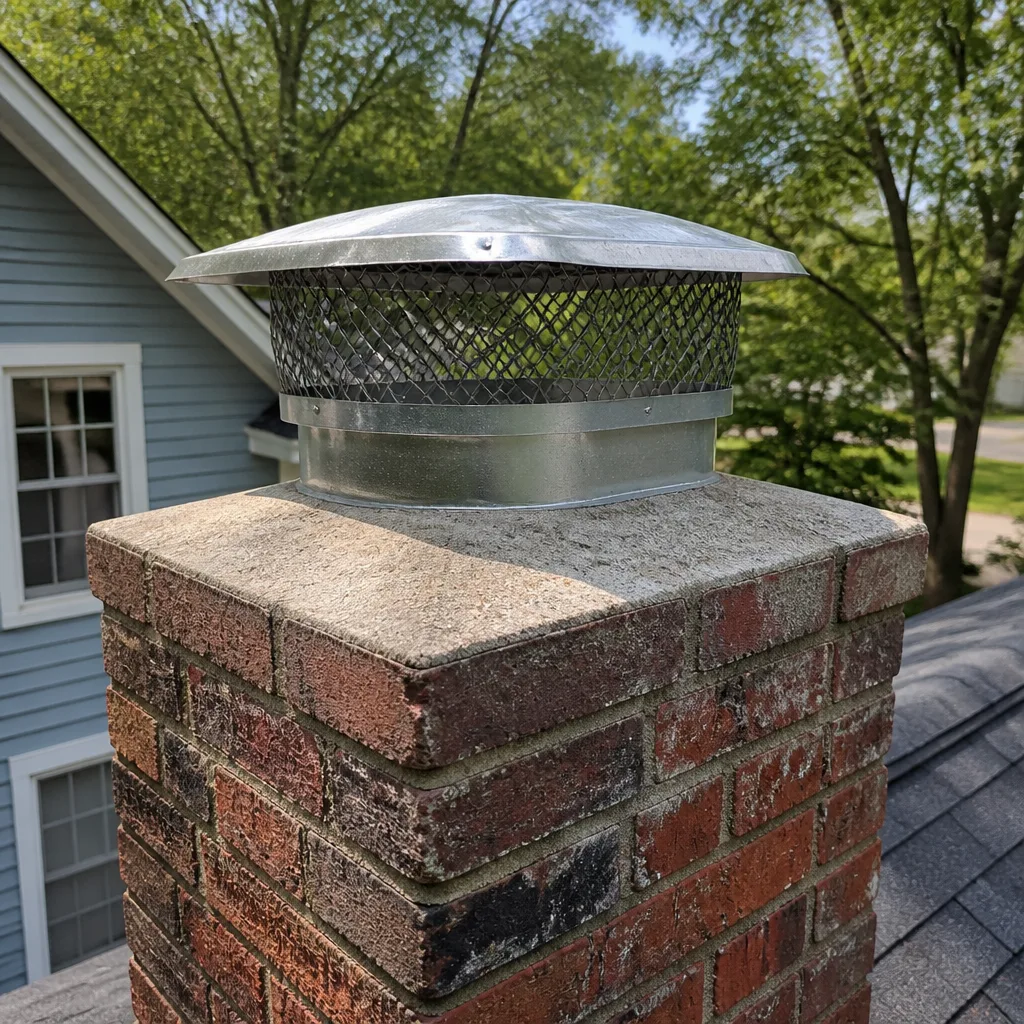
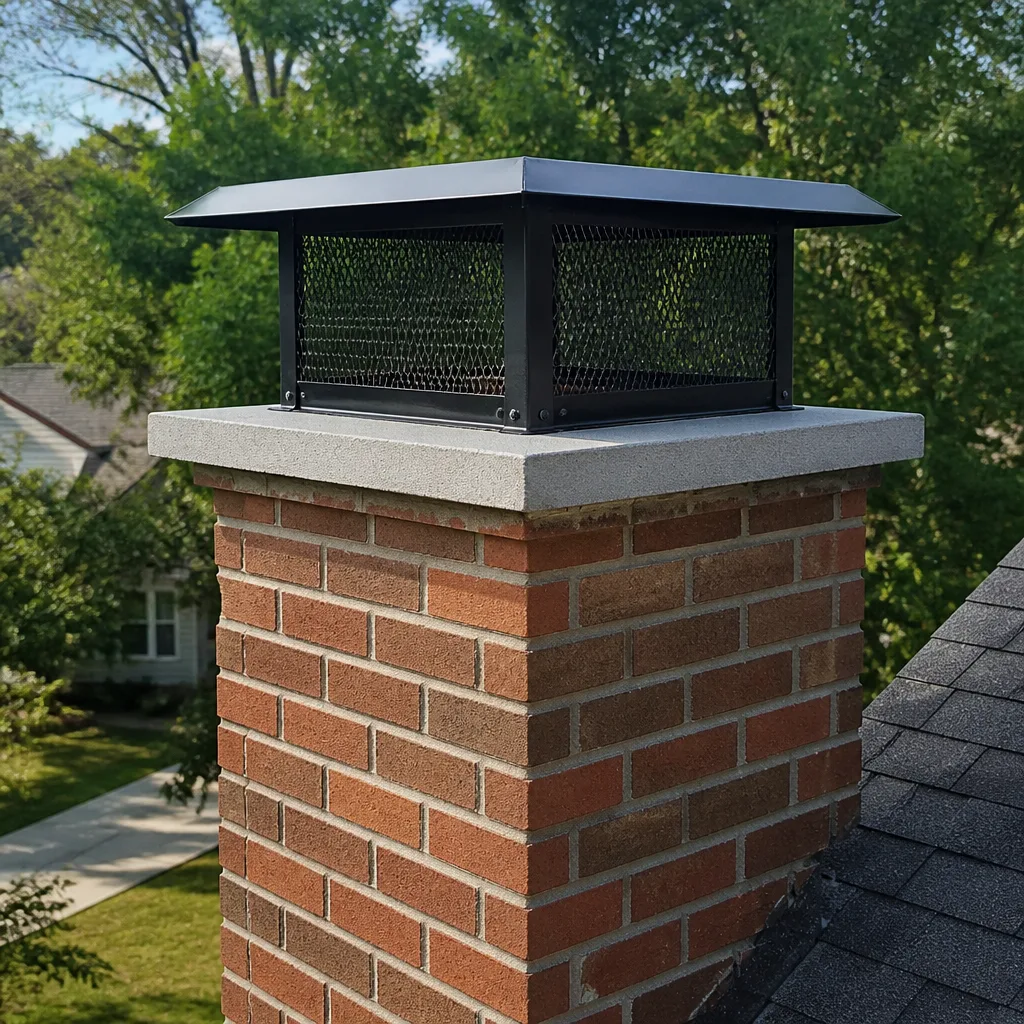
The chimney cap and crown are where most water damage starts, and the professionals who specialize in chimney cap & crown work address the cause at the source. A cracked crown lets water fall straight into the masonry; a missing or damaged cap lets water and debris down the flue. Before the first freeze:
- Inspect the crown for cracks and reseal or rebuild as needed.
- Confirm the cap is intact, secure, and shedding water correctly.
- Apply waterproofing to sound masonry to slow future moisture absorption.
- Fix any loose flashing where the chimney meets the roof.
- Test that the damper closes and seals properly.
A permanent cap and a sound crown are the most durable protection you can give a chimney in this climate. Weatherproofing done in fall means the winter freeze cycles hit dry masonry, which is the difference between a little wear and a lot of damage.
Winter Burning: What to Watch Between Cleanings
Once burning season starts, your job shifts to watching how the system behaves. A clean flue and a sound exterior don’t eliminate the need to pay attention; they just mean you’re starting from a good place.
- Creosote buildup. Creosote is the residue from burning wood, and it’s the fuel for chimney fires. If you burn often, have the flue checked on schedule rather than guessing.
- Smoke or odor in the room. A fireplace that smokes or a smell of creosote in the house usually means a draft problem or an obstruction.
- Draft changes. If a fireplace that drafted well last year suddenly doesn’t, something has changed, and it’s worth an inspection.
- Sparking or popping at the top. If material appears to be coming out of the chimney top, stop burning and call.
Chimney fires and carbon monoxide are the two real safety risks here, and both are reasons to act rather than to scare. A creosote-loaded flue can ignite, and a blocked or damaged flue can let combustion gases back into the house. If you notice any of the signs above, stop using the fireplace and have it assessed. Between cleanings, the safest habit is to burn dry, well-seasoned wood (which produces less creosote) and to keep the firebox from being overloaded.
Enough Knoxville homeowners wait until something goes wrong to think about the system; a little attention between cleanings is what keeps small problems small.
Your Year-Round Knoxville Chimney Calendar
Here’s the seasonal rhythm in one place. Adjust the timing to your own burning habits, but the order holds for a Knoxville home.
Spring (March through May)
- Clear pollen and debris from chase covers, vents, and screened openings.
- Walk around the exterior and check for green growth and root infiltration.
- Inspect mortar joints for crumbling or loose material.
- Note any spalling brick or white staining on the masonry.
Summer (June through August)
- Re-check the mortar, crown, and cap in August for the damage humidity has done.
- Look for rust streaks and failing flashing.
- Book your cleaning and inspection in late summer, before the fall rush.
Fall (September through November)
- Service or seal the damper.
- Repair or rebuild a cracked crown and confirm the cap is intact.
- Apply waterproofing to sound masonry.
- Complete any liner work while the weather is still workable.
Winter (December through February)
- Watch for smoke, draft changes, or creosote odor in the house.
- Book an inspection after any ice storm or heavy wet snow.
- Keep burning dry wood and follow your cleaning schedule.
An annual inspection is the thread that ties this together, and a full-system company can handle every task on the calendar – from sweeping through liner restoration with HeatShield or a new DuraFlex liner – without a handoff to a second contractor.
Common Mistakes to Avoid
- Treating fall as the only season that matters. In Knoxville, summer humidity and spring growth do as much structural damage as the burning season. Skipping the summer and spring checks is the mistake the standard advice leads you into.
- Waiting until October to book a cleaning. The first cold snap triggers a rush that tightens technician availability. A late-summer booking keeps you ahead of it and gives you time to make repairs before the first freeze.
- Cleaning but never inspecting. A sweep removes creosote; an inspection finds the cracked crown, the failing flashing, and the deteriorating joints. Cleaning without inspecting leaves the root cause of damage unaddressed.
- Ignoring the crown and cap. These are the leading entry points for water, and a damaged crown or missing cap lets moisture straight into the masonry every time it rains. Fixing them is the single most effective way to protect a chimney in this climate.
- Going up on the roof yourself after a storm. Wet snow, ice, and height work are dangerous, and an untrained look can miss cracks that a technician would catch. After a storm, call rather than climb.
- Using hardware-store parts for repairs. A cheap cap or off-the-shelf component won’t hold up the way a professional-grade part does. We install components from DuraFlex, Gelco, Olympia Chimney, and HeatShield systems because trade-grade parts are rated for the long run.
- Burning unseasoned wood to ‘save money’. Wet wood produces more creosote and more smoke, which means a dirty flue sooner. Dry, seasoned wood is the cheaper habit over a season.
See the difference
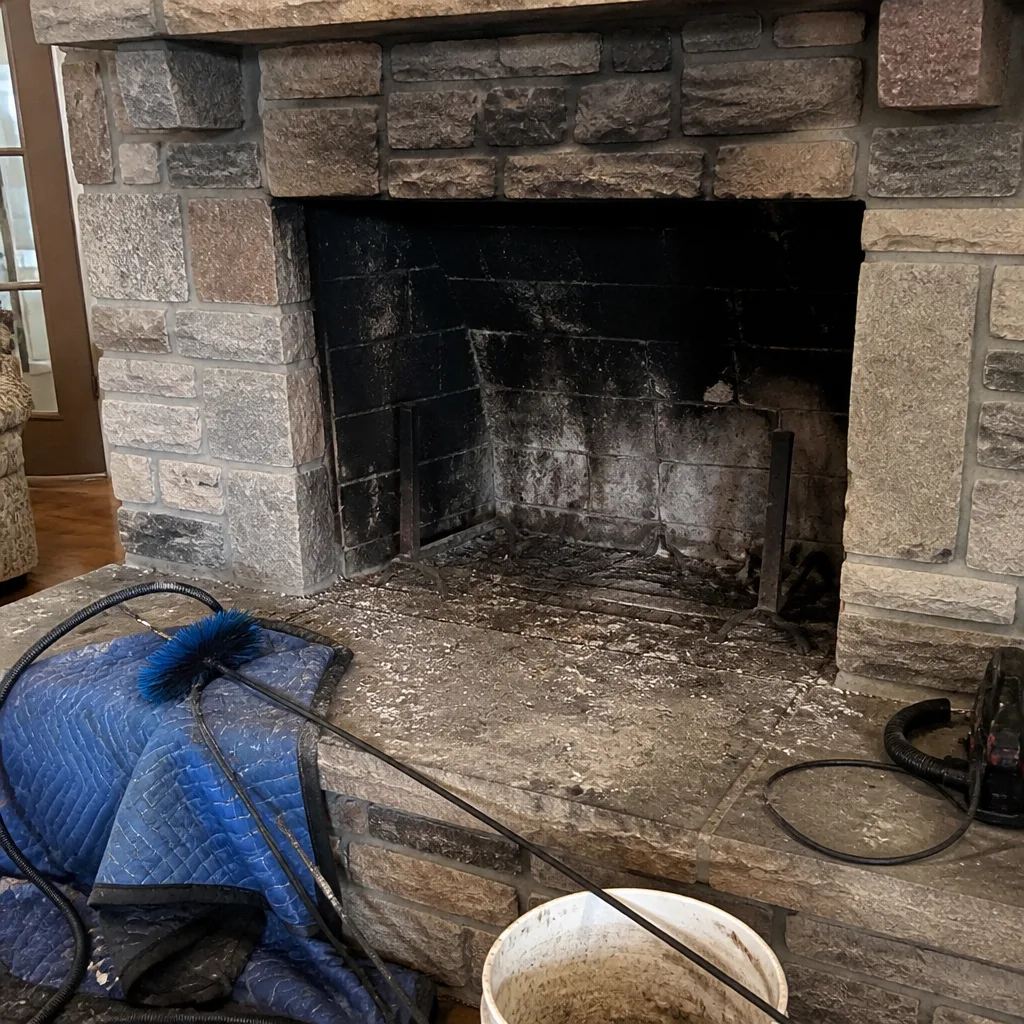 Before
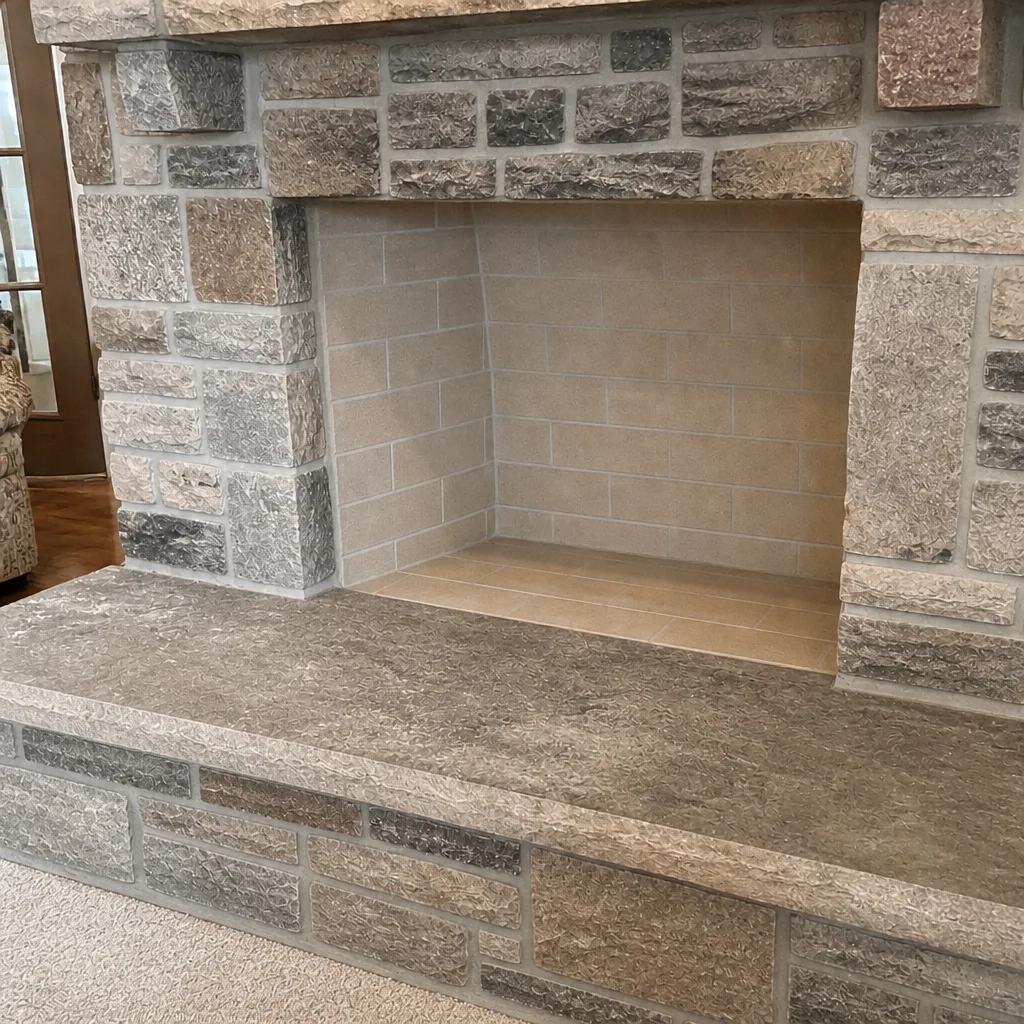 After
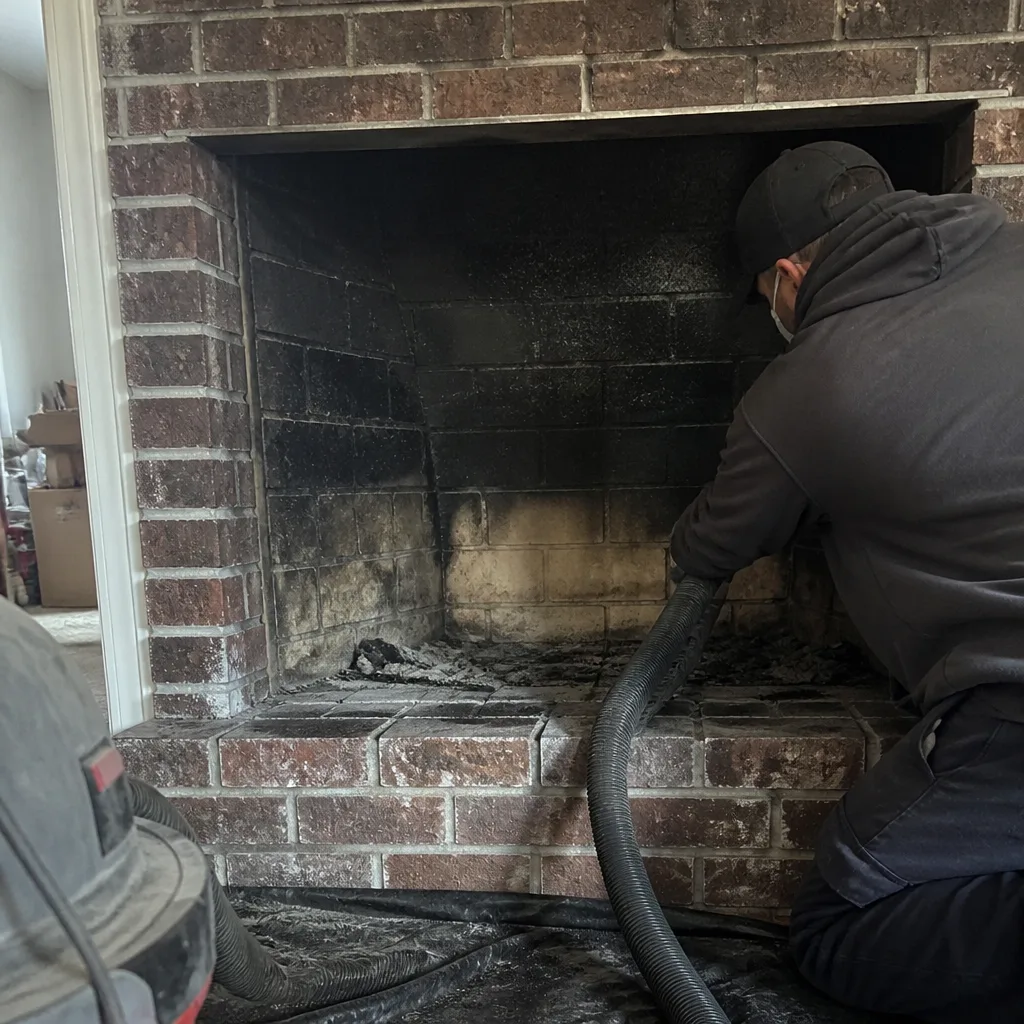 Before
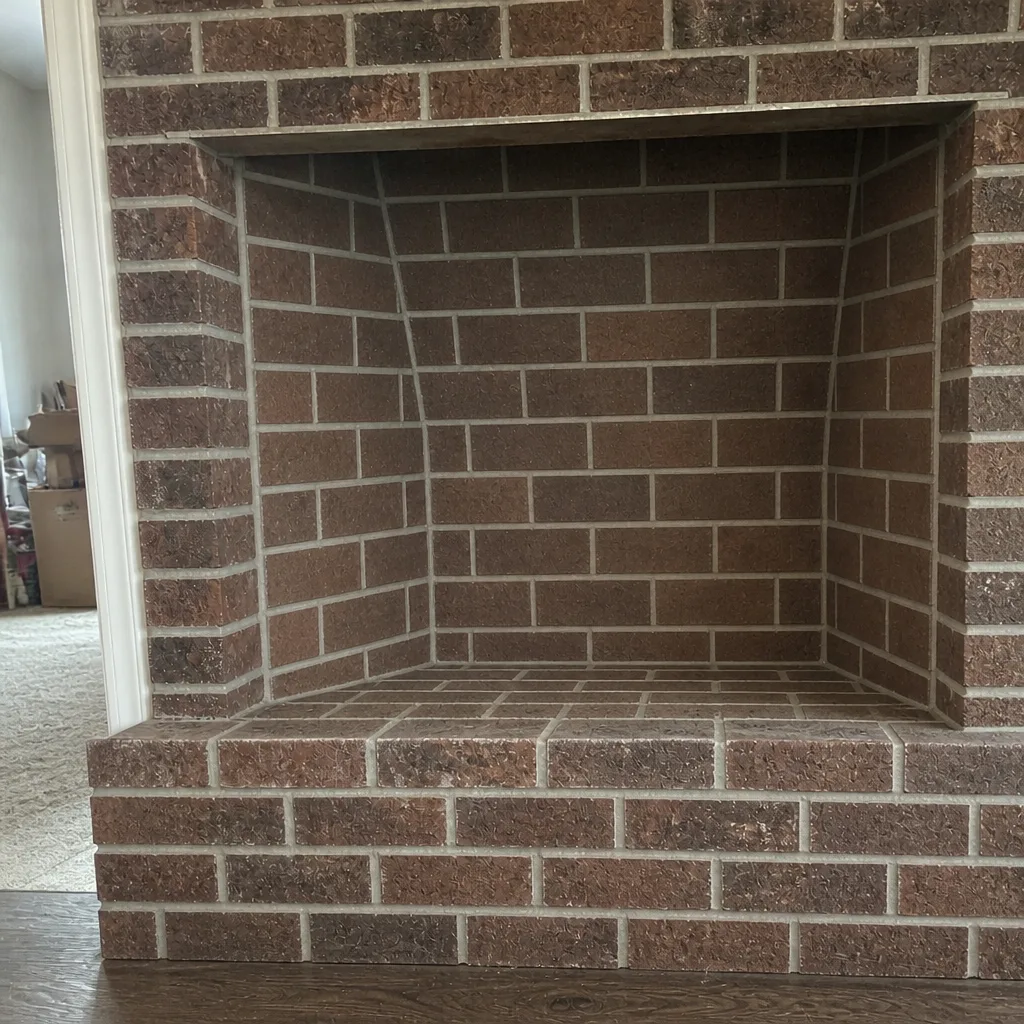 After
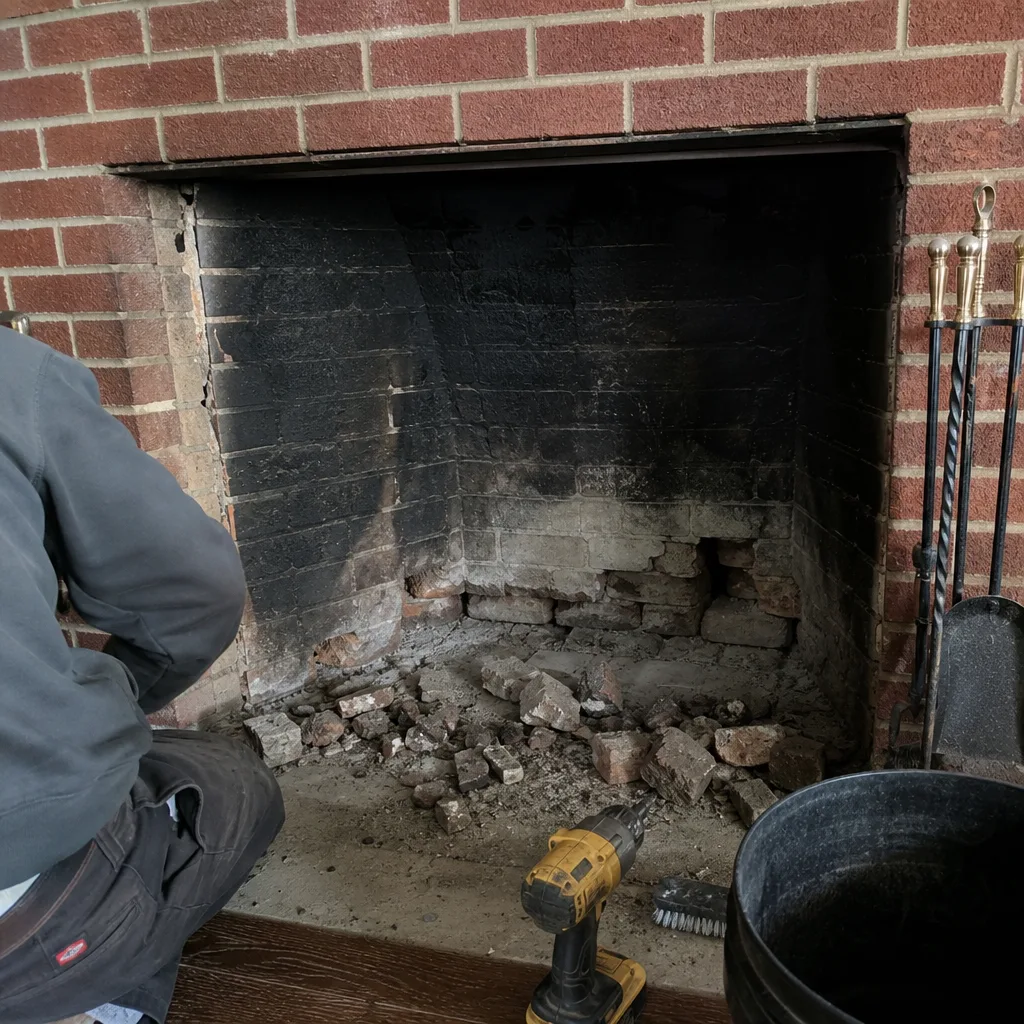 Before
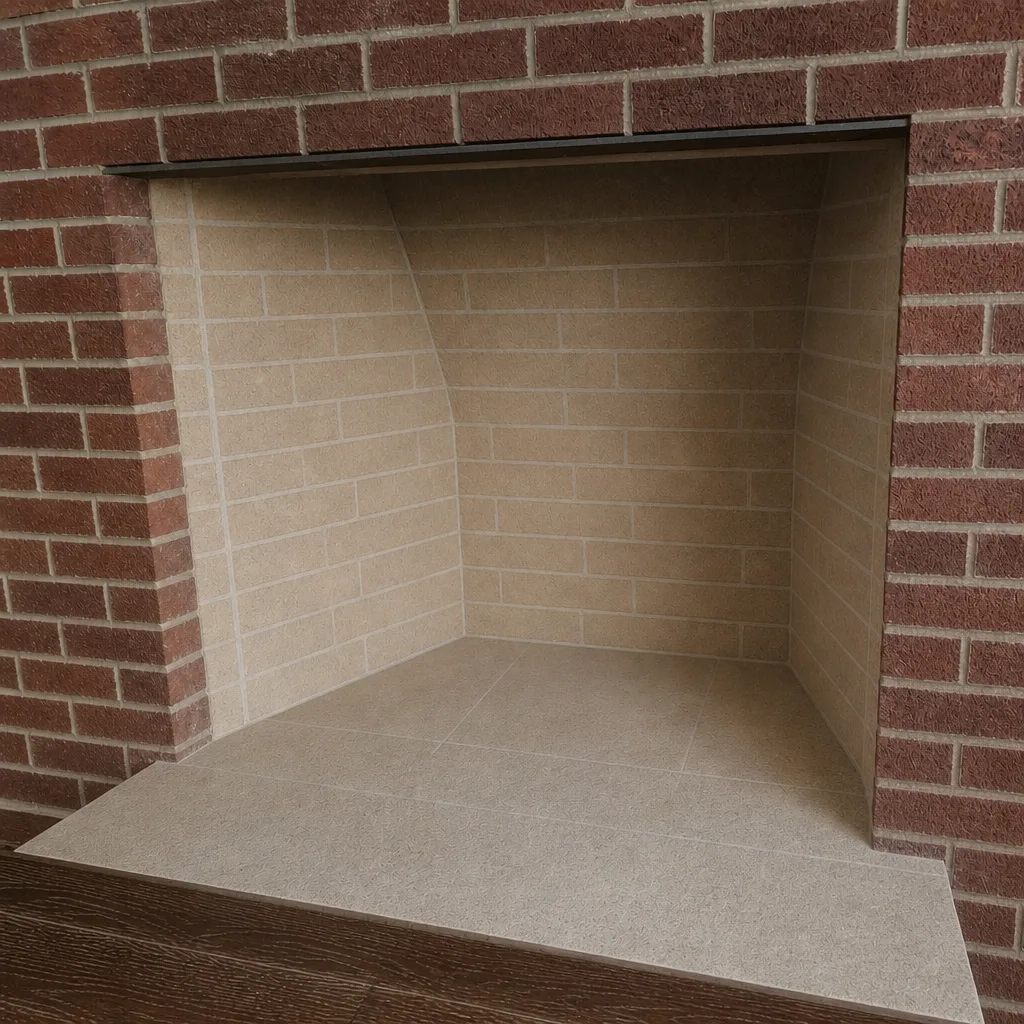 After
When to Call a Professional
Some tasks are clearly a technician’s job. Call us if you see deteriorated mortar joints in spring, if an August walk-around turns up cracked masonry, spalling brick, or rust streaks, or if the crown and cap look damaged heading into fall. Call after any ice storm, heavy wet snow, or high-wind event that could have loosened the cap or opened a crack. Call if a fireplace smokes, drafts change, or you smell creosote in the house. Call before you light the first fire if you haven’t had the flue checked in a while. And call if you’re buying a Knoxville home and want the chimney assessed before closing. Knoxville Chimney Sweep Pros offers free estimates in Knoxville – call (855) 726-7247. We answer 24/7. Fast dispatch from 7am to 7pm, Sunday through Friday.
Frequently Asked Questions
Once a year for most homes, with more frequent checks if you burn often. In Knoxville the annual cleaning is best timed for late summer, after the humid season and pollen growth have passed but before the fall rush. If you burn frequently through the winter, have the flue checked on schedule rather than guessing at creosote levels. Call (855) 726-7247 for an exact quote; estimates are free.
No – a fall sweep alone misses the seasons that do the most damage here. Knoxville’s summer humidity drives mortar deterioration and spring pollen clogs chase components, so the annual rhythm needs spring and summer checks in addition to the fall cleaning. A fall sweep without an inspection leaves the cracked crown and failing flashing untouched. Call (855) 726-7247 to book a cleaning with inspection included.
It’s set per job by a written estimate, and estimates are free. The final price depends on the flue, access, and the condition found during inspection – not a flat rate. The written estimate is what sets the final price, so nothing gets added later without your agreement. Call (855) 726-7247 for an exact quote before you book.
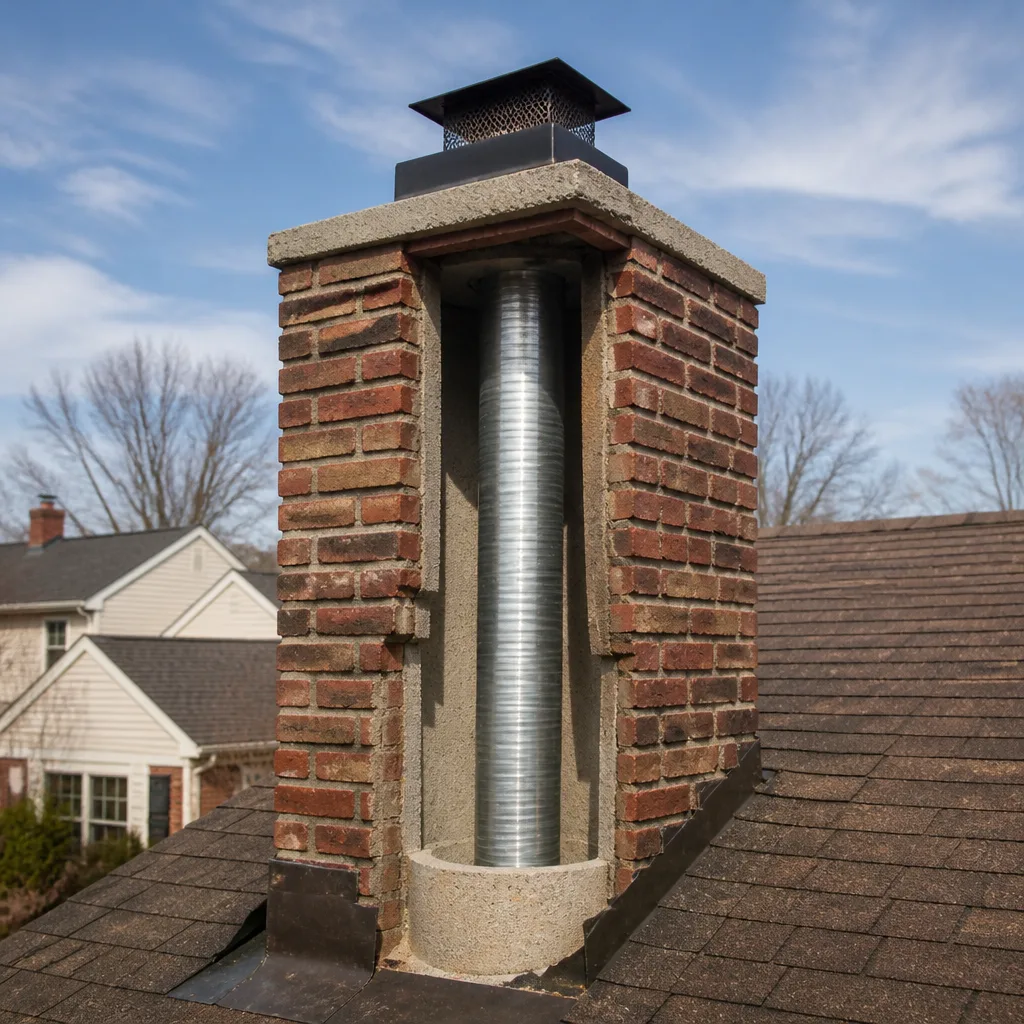
Sometimes restoration is possible rather than replacement. HeatShield is a professional ceramic resurfacing system that can restore a liner as an alternative to a full reline, and it’s a specialty many sweep-only companies can’t offer. Whether your liner needs restoration or a new DuraFlex liner depends on what the camera inspection shows. Call (855) 726-7247 to book an inspection and see the evidence.
Insist on camera evidence you can see for yourself, and expect a photo report. Nothing should be recommended without it, and a good technician will tell you plainly when a repair can safely wait. Our inspections include a camera inspection and a photo report so every recommendation is backed by what’s on the screen. Call (855) 726-7247 to book one.
Creosote builds up in the flue, and creosote is the fuel for chimney fires. A blocked or damaged flue can also let carbon monoxide back into the house, so the risks are real and specific. Skipping the cleaning also means the exterior damage goes unnoticed until it’s more expensive. Call (855) 726-7247 to get on a cleaning schedule.
The Bottom Line
Knoxville’s chimney care doesn’t fit a single fall sweep. Humid summers drive mortar deterioration, spring brings pollen and root problems, irregular winters with occasional hard freezes deliver storm damage, and fall is for waterproofing the exterior before the cold sets in. Build a four-season rhythm around those facts: spring checks for pollen, roots, and mortar; an August walk-around for humidity damage; a late-summer cleaning and inspection ahead of the rush; fall damper, cap, and crown work; and a post-storm inspection after any ice or heavy wet snow. An annual inspection ties it together. Our technicians have up to 14 years of experience, and we work from first inspection to final repair with trade-grade materials, not hardware-store substitutes.
Call (855) 726-7247 for a free estimate. We answer 24/7. Fast dispatch from 7am to 7pm, Sunday through Friday.
Written by the team at Knoxville Chimney Sweep Pros.